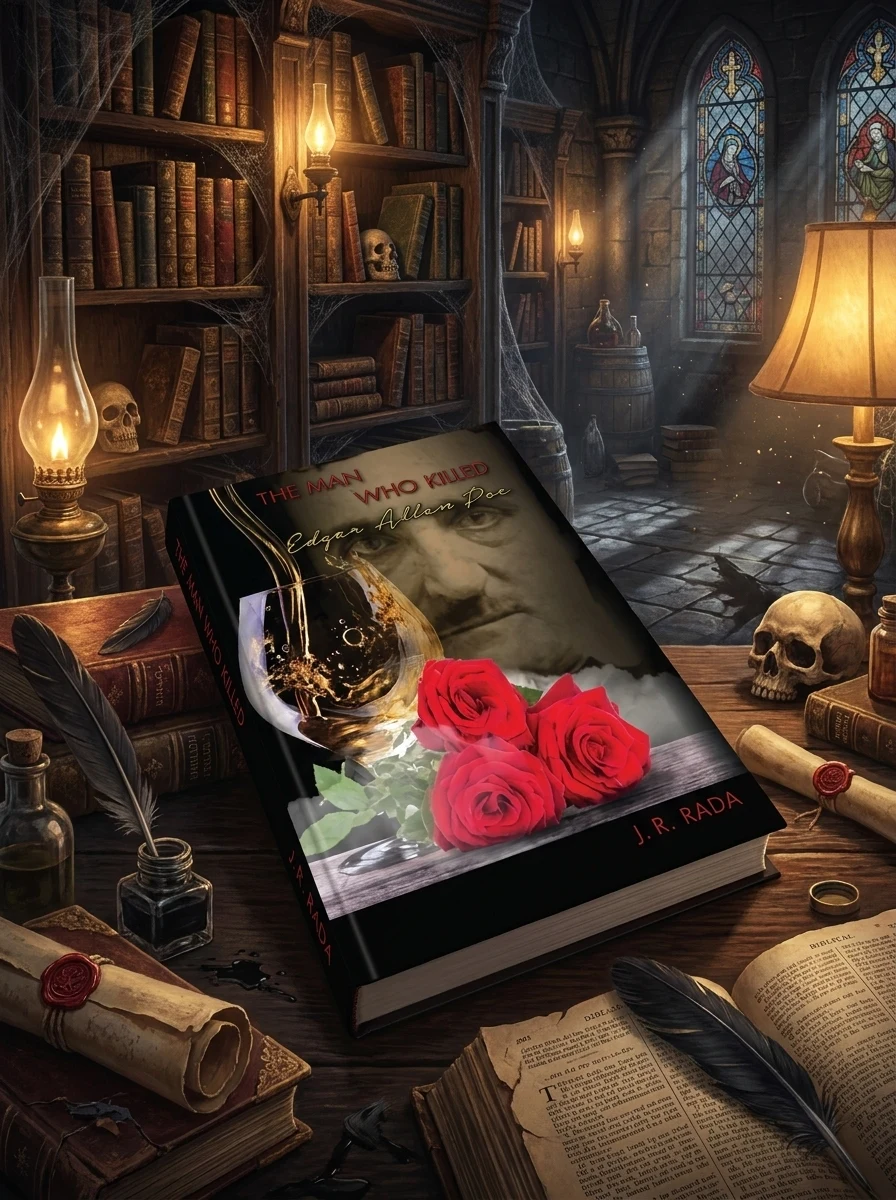
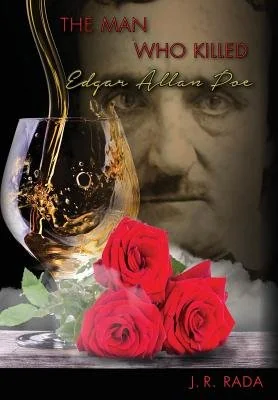
The Man Who Killed Edgar Allan Poe
A fictional account of Poe's death driven by a biblical blood feud
This work reimagines the circumstances surrounding Edgar Allan Poe's passing in 1849. Rada constructs a narrative where the writer is caught between two figures from biblical lore. Their ongoing feud creates a supernatural threat that leads to Poe's end. The story blurs the line between his fictional horrors and his actual life. It suggests that the terror he depicted in his writings was real for him. The book does not offer new historical evidence but rather a creative interpretation. It focuses on the emotional and spiritual weight of the feud. The narrative style is direct, avoiding complex literary devices to keep the focus on the plot.
The book was published in 2017 by Legacy Publishing. It addresses the enduring mystery of Edgar Allan Poe's death in 1849. The work fits within the tradition of gothic and supernatural fiction that reinterprets historical events through a dark lens.


📝 Description: The Man Who Killed Edgar Allan Poe
💎 Our verdict on The Man Who Killed Edgar Allan Poe
📖 Why choose it
Why this book is worth reading
Readers who enjoy speculative biographies that blend fact with folklore will find this narrative engaging. It is ideal for those interested in gothic fiction and historical mysteries, particularly the enigma surrounding Poe’s final days. The book appeals to fans of cosmic and psychological horror who appreciate a direct narrative style over complex literary devices. It offers a chilling perspective on a well-known literary figure by grounding supernatural elements in a specific historical context. Those seeking to understand the emotional weight of Poe's legacy through a fictionalized, supernatural framework will gain insight into how his written terrors may have mirrored his lived reality.
⭐ Reader reviews
Reader rating
J R Rada delivers a compelling reimagining of Edgar Allan Poe’s death, centering on a centuries-old biblical blood feud. The narrative effectively blurs the line between Poe’s fictional horrors and his actual life, suggesting that the terror he depicted was real to him. By using a direct style, the author keeps the focus on the plot and the emotional weight of the conflict. This approach suits readers who prefer accessible storytelling over dense academic analysis. While it does not offer new historical evidence, it provides a creative interpretation that questions the nature of Poe’s final days. The book is best for those who enjoy speculative fiction grounded in literary history rather than strict non-fiction accounts.
📖 Read on the blog
✍️ More books by this author J R Rada



You might also like
See more →



Have a question about this item?
Ask about the edition, condition, delivery or anything else — we reply by email or phone, usually within a day.
