
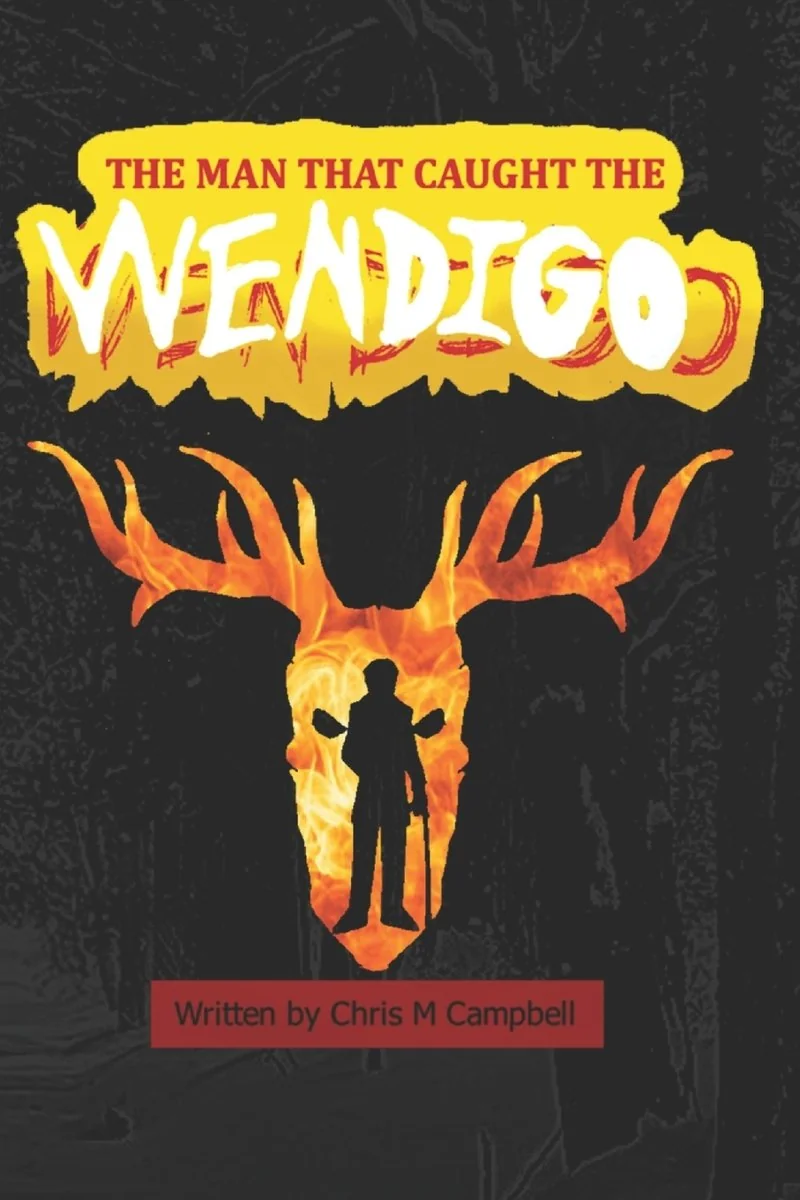
The Man That Caught The Wendigo
A recluse film mogul recounts hunting a Wendigo in Canada.
The narrative centers on Charles Malcom McGregor, who seeks out journalist Elijah Rothman to share his final story. The text details the specific events of his life, from his career as a film mogul to his reclusive end. Campbell presents the account of how McGregor hunted the Wendigo after experiencing personal loss. The book focuses on the resulting misery and self-destruction rather than heroic triumphs. It serves as a record of one man’s horrid display of suffering caused by his obsession with the ancient beast. The structure relies on this direct invitation and subsequent confession.
The story is set in Canada and draws upon Native American folklore traditions concerning the Wendigo. It reflects a gothic supernatural tradition where personal tragedy intersects with ancient mythological entities. The narrative context places the events within the life of a former film mogul, grounding the supernatural elements in a specific cultural and geographical setting.


📝 Description: The Man That Caught The Wendigo
💎 Our verdict on The Man That Caught The Wendigo
📖 Why choose it
Why this book is worth reading
This book is ideal for readers who appreciate character-driven narratives centered on downfall, isolation, and psychological decay rather than action-heavy plots. It appeals to those interested in gothic fiction and supernatural horror rooted in specific folk traditions, particularly the Wendigo legend. Readers seeking a singular, personal history of one man’s encounter with the supernatural will find value in its focus on internal and external destruction. The direct testimony structure offers an immersive look at self-destructive misery, making it suitable for fans of bleak, introspective tales that prioritize suffering over heroic triumphs or academic analysis.
⭐ Reader reviews
Reader rating
Campbell delivers a compelling portrait of obsession through the lens of Charles Malcom McGregor’s life. The narrative effectively traces his rise to wealth and subsequent collapse, driven by personal loss and a hunt for an ancient beast. By structuring the account as a direct testimony, the author creates an intimate yet horrid display of suffering. The text avoids broad cultural studies, focusing strictly on one man’s internal and external destruction. This approach suits readers who prefer character-driven narratives over action. While the tone is undeniably bleak, offering no lighthearted entertainment, it provides a rigorous exploration of self-destruction. It stands as a strong entry for fans of dark fantasy and psychological horror who value depth of despair over plot velocity.
📖 Read on the blog
🏛 Books from this publisher Independently Published








You might also like
See more →



Have a question about this item?
Ask about the edition, condition, delivery or anything else — we reply by email or phone, usually within a day.
