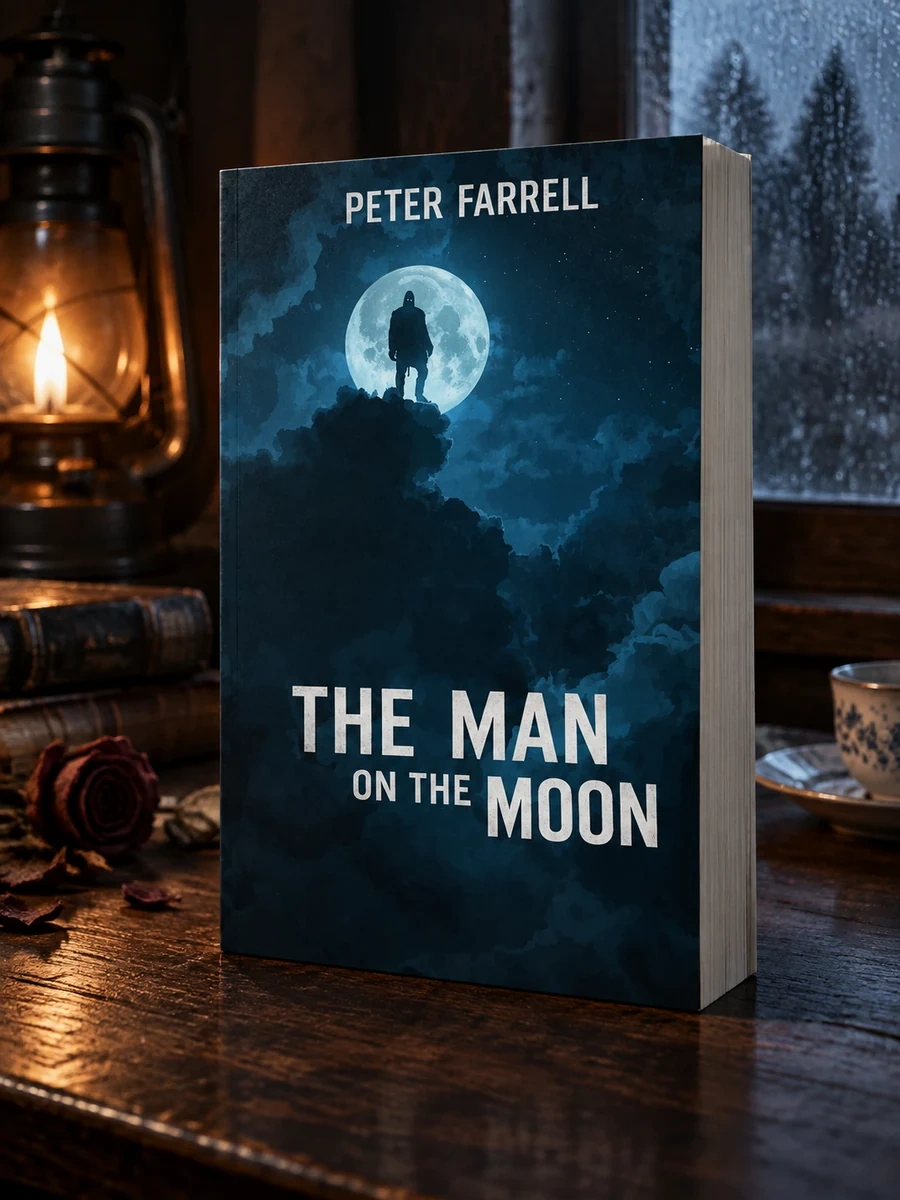
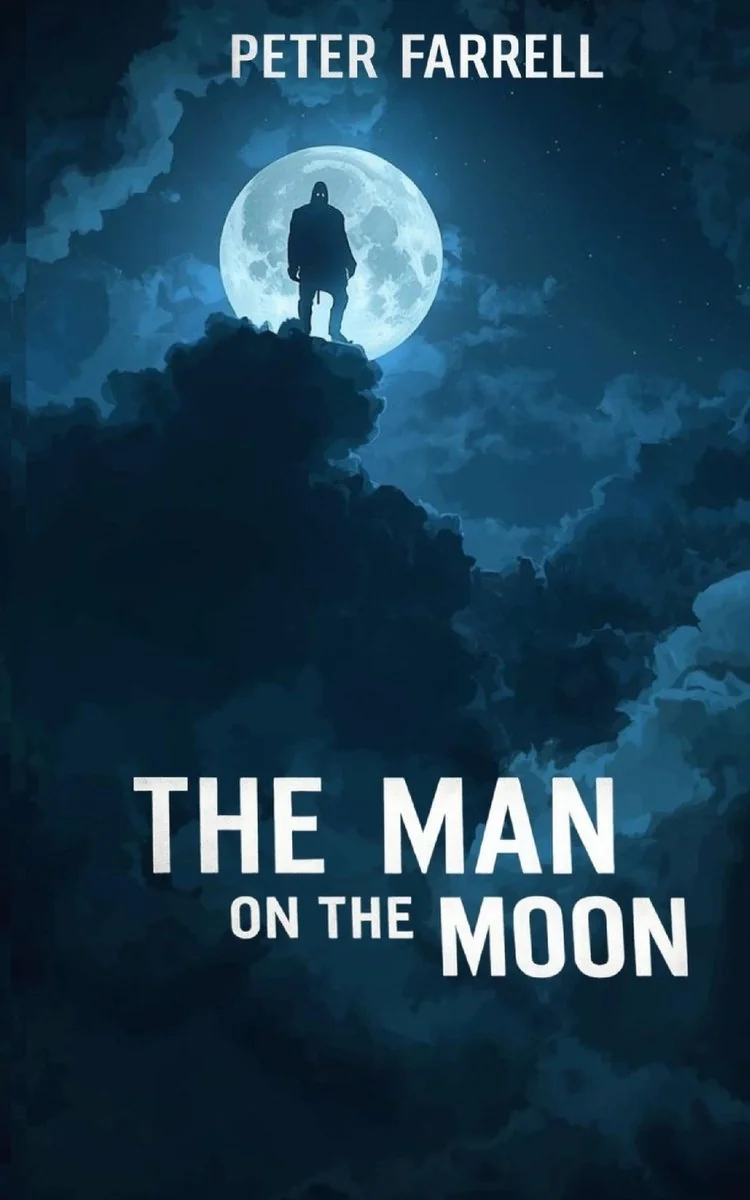
The Man on the Moon: A Psychological Horror Novel
A boy confronts an entity that rewrites reality in a haunted town.
Farrell uses the perspective of a child to explore deep-seated fears about identity and perception. The narrative structure follows Peter’s gradual realization that Doomsville operates on rules distinct from normal society. The horror stems from the erosion of trust in one’s own mind and surroundings. This approach aligns with gothic fiction traditions where the environment itself becomes an antagonist. The story avoids supernatural exposition, instead focusing on the psychological impact of being watched by an unknown force.
The Man on the Moon fits within the American tradition of small-town horror, echoing gothic themes of isolation and hidden histories. It draws on psychological horror tropes where the monster is internal or cosmic rather than physical. The setting of Doomsville reflects classic folklore motifs of places where normal rules do not apply.


📝 Description: The Man on the Moon: A Psychological Horror Novel
💎 Our verdict on The Man on the Moon: A Psychological Horror Novel
📖 Why choose it
Why this book is worth reading
Readers who appreciate creeping suspense and stories that linger in the mind long after reading will gain much from this narrative. It appeals to those interested in exploring deep-seated fears about identity and perception through the unique lens of a child’s perspective. The book offers a chilling atmosphere where reality fractures, allowing fans of small-town horror traditions to experience paranoia and cosmic dread without relying on conventional jump scares or fast-paced action. It is particularly suited for audiences who enjoy psychological tension over physical threats and are comfortable with themes of identity loss and cosmic indifference.
⭐ Reader reviews
Reader rating
Farrell constructs a chilling atmosphere where people do not simply vanish but are fundamentally altered, maintaining a focus on the erosion of trust in one’s own mind. By avoiding supernatural exposition, the narrative prioritizes the psychological impact of being watched by an unknown force. This approach suits readers who enjoy creeping suspense and stories that linger in the mind long after reading. It is unsuitable for those seeking conventional jump scares or fast-paced action, as the horror stems from the environment itself becoming an antagonist. The work appeals to fans of gothic fiction traditions where the setting drives the dread.
📖 Read on the blog
🏛 Books from this publisher Independently Published








You might also like
See more →
Have a question about this item?
Ask about the edition, condition, delivery or anything else — we reply by email or phone, usually within a day.
