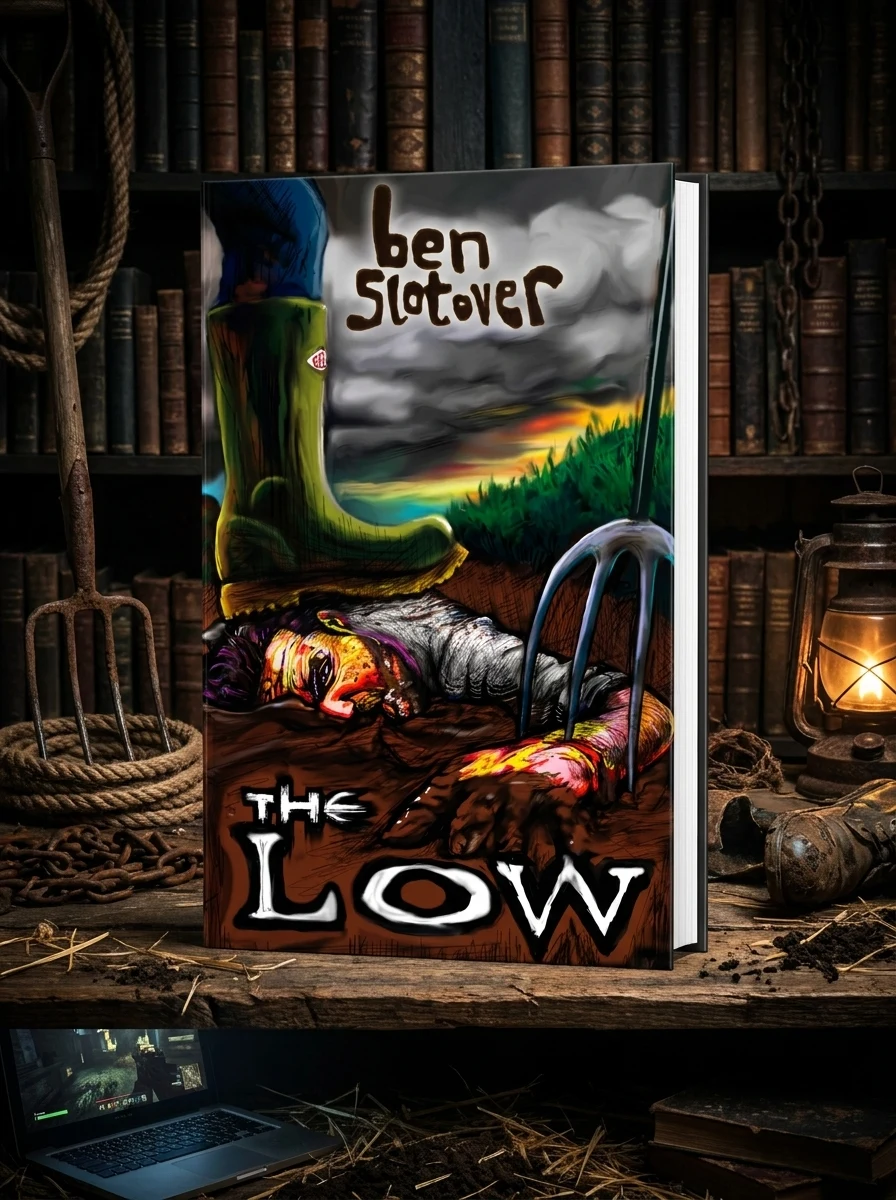
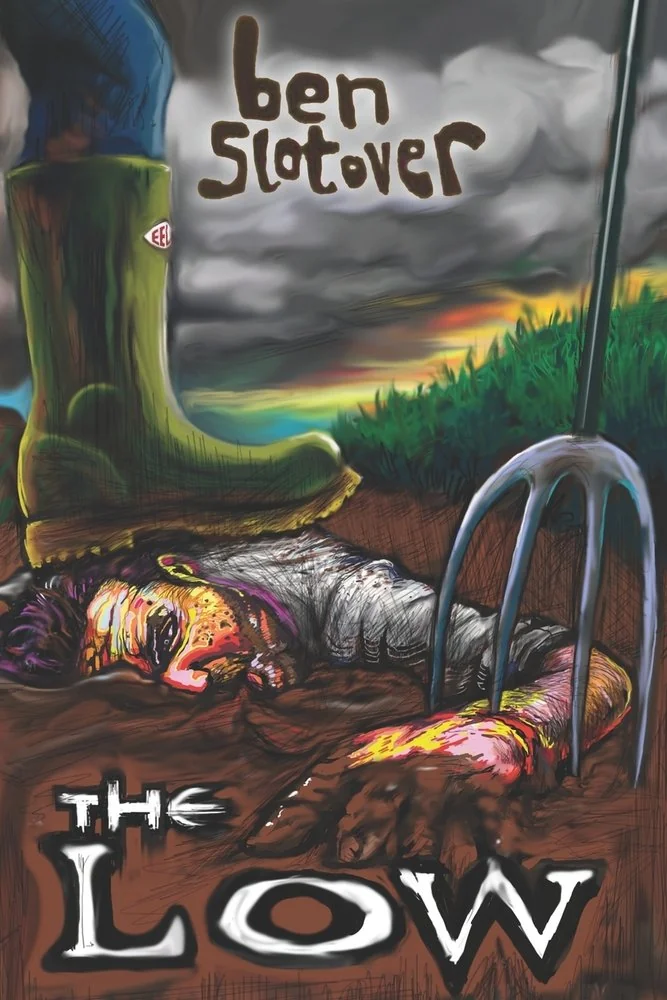
The Low
A grim tale of rural exploitation and forced digital labor.
Slotover’s novel tracks Neil Frome’s journey from homelessness to indentured servitude. The protagonist works fields by day and farms virtual gold by night. The text highlights the brutal mechanics of this system, including beatings and whippings. It examines how economic desperation drives individuals into hands that treat them as disposable assets. The narrative focuses on the psychological toll of rising through a corrupt hierarchy.
The Low situates itself within contemporary British rural landscapes, exposing the hidden economies of illegal immigration and online gaming labor. It reflects current anxieties about economic precarity and the dehumanization inherent in modern feudal systems.


📝 Description: The Low
💎 Our verdict on The Low
📖 Why choose it
Why this book is worth reading
This book is essential for readers who demand unflinching portrayals of modern slavery and economic despair without the comfort of redemption. It appeals to those interested in the brutal mechanics of forced digital labor and rural exploitation. The narrative offers a stark look at the underbelly of rural Britain, making it suitable for audiences seeking harrowing social realism blended with gothic horror. Readers who appreciate stories where advancement requires moral degradation will find this text compelling. It does not offer hope, only a grim examination of how desperation drives individuals into disposable status within corrupt systems.
⭐ Reader reviews
Reader rating
Slotover delivers a harrowing narrative that effectively merges gothic horror with social realism to depict the brutal realities of rural exploitation. The text excels in detailing the psychological toll of rising through a corrupt hierarchy while enduring physical and digital abuse. It suits readers interested in unflinching portrayals of modern slavery, forced prostitution, and environmental crimes. The work avoids offering comfort or redemption, instead providing a stark, supernatural-adjacent critique of economic despair. By focusing on Neil Frome’s descent, the novel highlights the dehumanizing nature of treating individuals as disposable assets. It is a difficult but necessary read for those willing to confront the underbelly of society without the solace of hope.
You might also like
See more →







Have a question about this item?
Ask about the edition, condition, delivery or anything else — we reply by email or phone, usually within a day.
