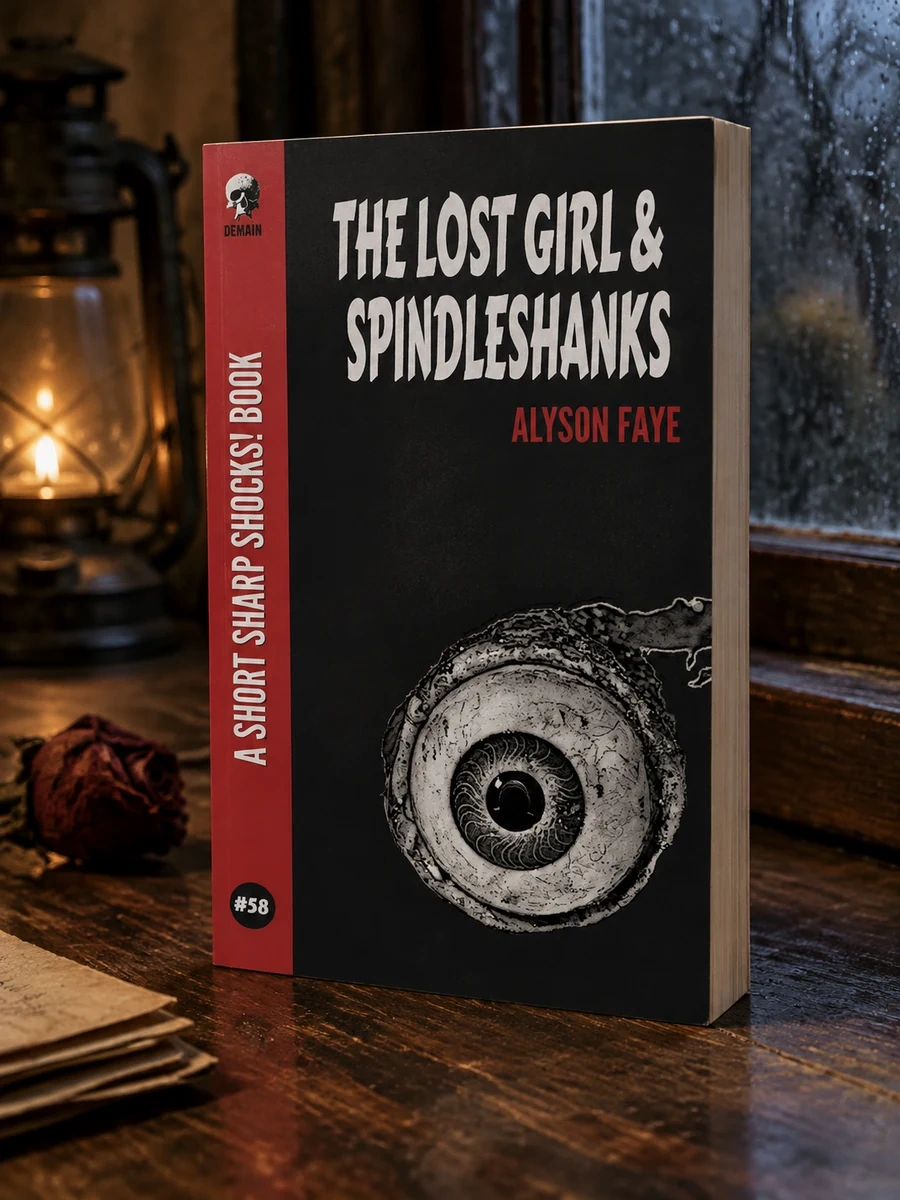
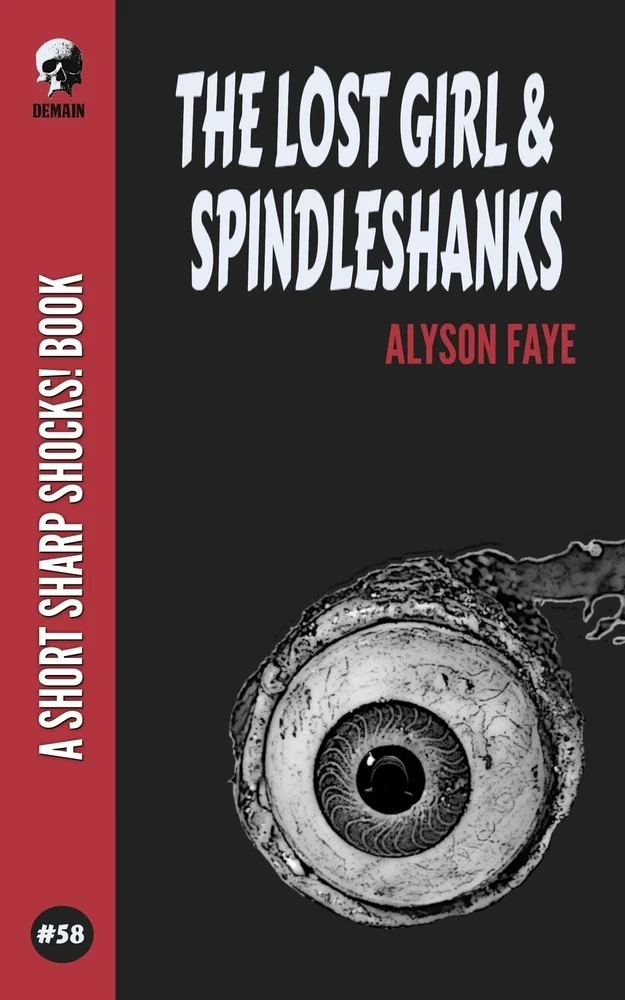
The Lost Girl & Spindleshanks
A dual-narrative horror collection featuring a haunted inheritance and a skeletal nightmare creature.
This volume contains two separate stories that explore different facets of fear. The first narrative employs the framework of paranormal investigation to uncover hidden family secrets linked to a specific location and a long-lost person. The second narrative shifts to domestic terror, where a father battles a mythological entity threatening his child. Both tales emphasize the cost of knowledge and the limits of rationality when faced with the unknown. Faye uses these contrasting approaches to create a cohesive reading experience that moves from intellectual mystery to visceral survival horror. The structure allows readers to shift between cerebral suspense and immediate physical threat without losing momentum.
Published in 2021 by an independent press, this work fits within the contemporary American indie horror market. It draws on established gothic literature tropes and modern supernatural fiction traditions to appeal to readers seeking accessible yet eerie short stories.


📝 Description: The Lost Girl & Spindleshanks
💎 Our verdict on The Lost Girl & Spindleshanks
📖 Why choose it
Why this book is worth reading
Readers who enjoy short-form horror with clear supernatural stakes will find value in this dual-narrative collection. It offers a balanced mix of eerie atmosphere and engaging plot progression, moving seamlessly from cerebral suspense to immediate physical threat. Those who appreciate the cost of knowledge and the limits of rationality when facing the unknown will resonate with the themes explored here. The book suits fans of psychological dread and supernatural horror alike, providing direct confrontation and immediate danger rather than slow-burn unraveling. It is ideal for those seeking a cohesive reading experience that shifts between intellectual mystery and visceral survival without losing momentum.
⭐ Reader reviews
Reader rating
Alyson Faye delivers a compelling dual narrative that effectively bridges psychological dread and supernatural horror. The first story grounds its terror in professional skepticism, while the second utilizes classic folklore motifs to create domestic terror. This structure allows readers to shift between cerebral suspense and immediate physical threat without losing momentum. The collection is best suited for readers who enjoy short-form horror with clear stakes and direct confrontation. It may not appeal to those seeking complex character arcs or extended novel-length plots. However, for fans of gothic traditions and skeletal demon myths, it offers a cohesive and engaging experience that balances eerie atmosphere with plot progression.