The Lodge: Z-Poch
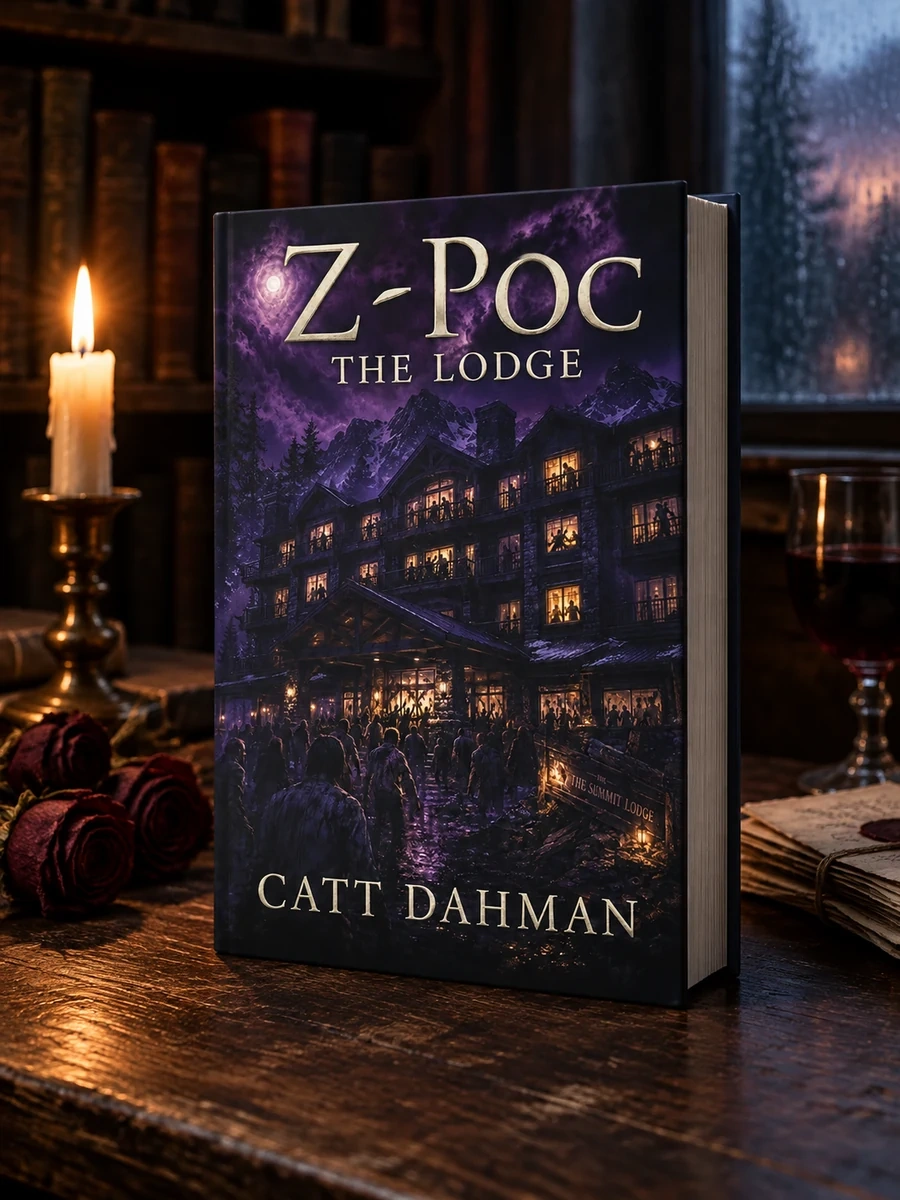
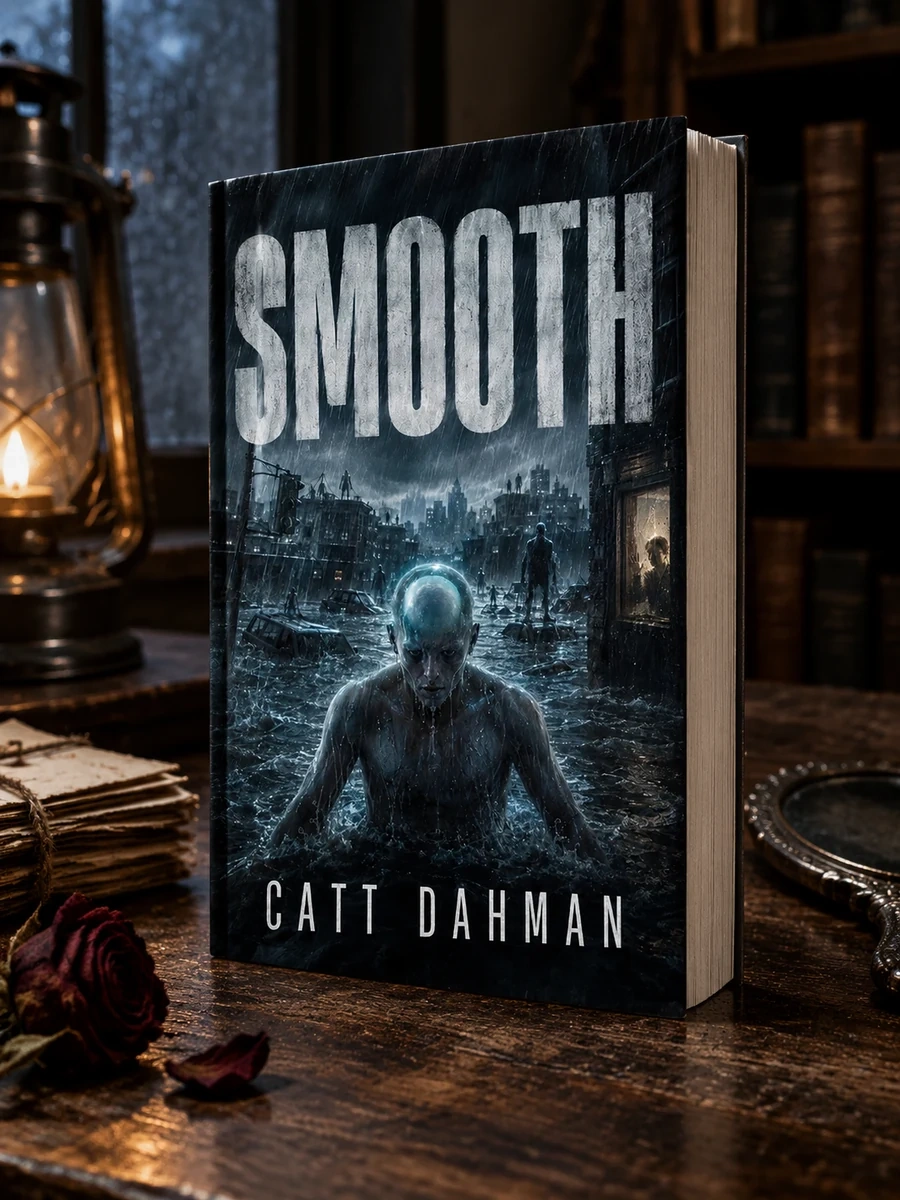
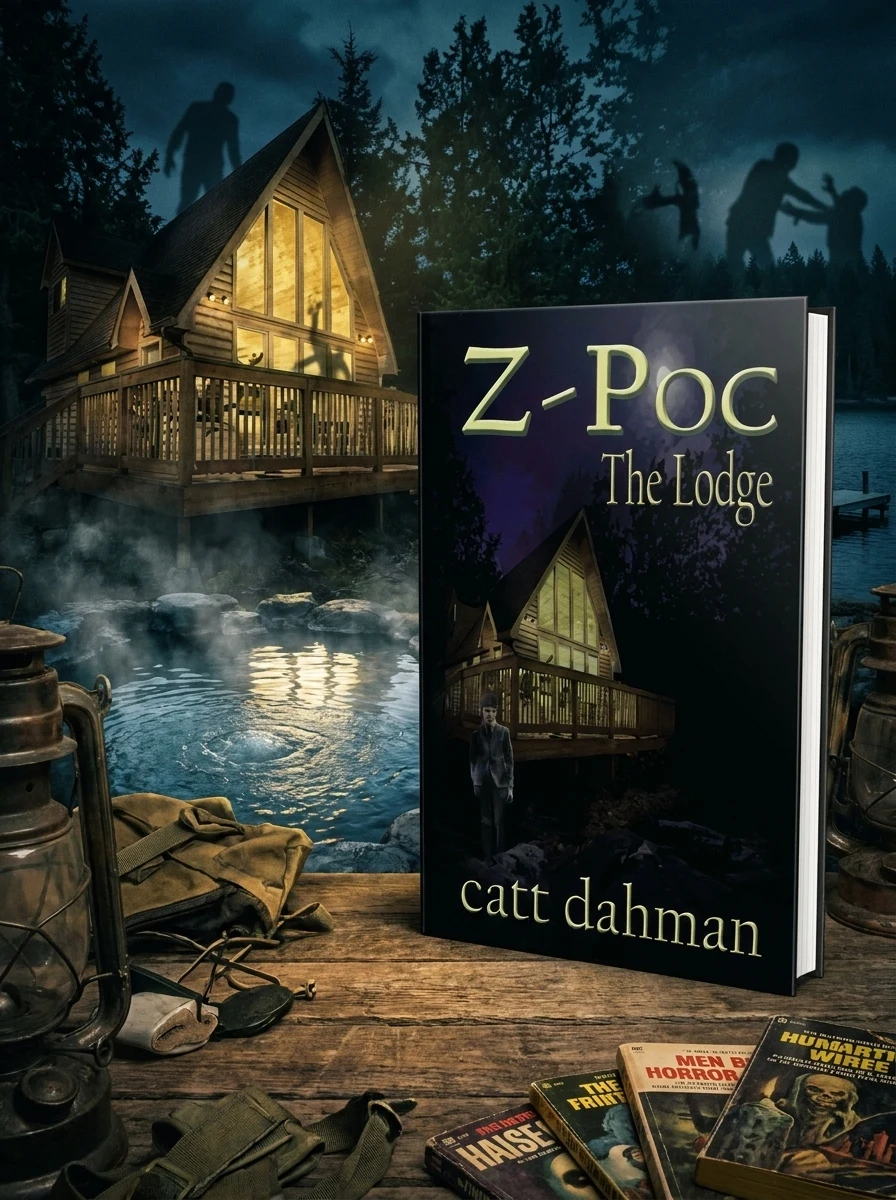
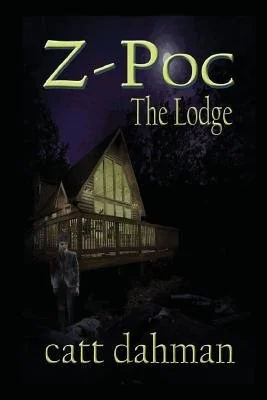
A zombie outbreak traps vacationers in an Arkansas mountain lodge.
This novel places characters in a deceptive paradise where luxury hides a deadly secret. The premise relies on the classic horror trope of isolation, but adds a scientific twist through the self-control experiment. The author uses the setting to amplify fear as comfort turns into danger. The narrative structure keeps the pace fast, mirroring the chaotic nature of the zombie attack. Readers experience the panic alongside the protagonists as they try to leave the premises. The inclusion of sexual references and extreme violence defines the tone for mature audiences. It is a straightforward survival story without complex philosophical undertones. The focus remains on the physical struggle against the infected population.
Dahman draws on the American horror tradition of isolated settings turning deadly. The reference to Richard Laymon places it within a lineage of visceral, gore-heavy suspense fiction popular in the late twentieth century. This work fits into the subgenre of vacation-turned-nightmare stories common in pulp and independent publishing.


📝 Description: The Lodge: Z-Poch
💎 Our verdict on The Lodge: Z-Poch
📖 Why choose it
Why this book is worth reading
Readers seeking unadulterated, high-octane horror will find this title particularly gratifying. It serves those who enjoy the classic isolation trope but demand a more visceral, scientific twist to their zombie narratives. The book appeals to fans of extreme gore and mature themes, offering a relentless roller-coaster ride of survival against the undead. Those who prefer fast-paced action over complex philosophical undertones will appreciate the straightforward focus on physical struggle and panic. It is ideal for audiences looking for intense, immediate threats in a confined setting, providing a chaotic escape from comfort into danger without the burden of gentle pacing.
⭐ Reader reviews
Reader rating
Catt Dahman delivers a visceral survival tale that leverages the deceptive safety of a luxury lodge to amplify terror. The narrative effectively mirrors the chaos of a zombie outbreak with its fast pace and immediate physical stakes. By combining natural hot springs with a deadly self-control experiment, the setting becomes a character in itself, turning comfort into danger rapidly. While it lacks complex philosophical depth, its strength lies in its unflinching commitment to extreme violence and sexual references. This straightforward approach suits readers who want intense action without distraction. It is a potent entry for fans of splatterpunk who desire a clear, chaotic fight for survival against infected guests.