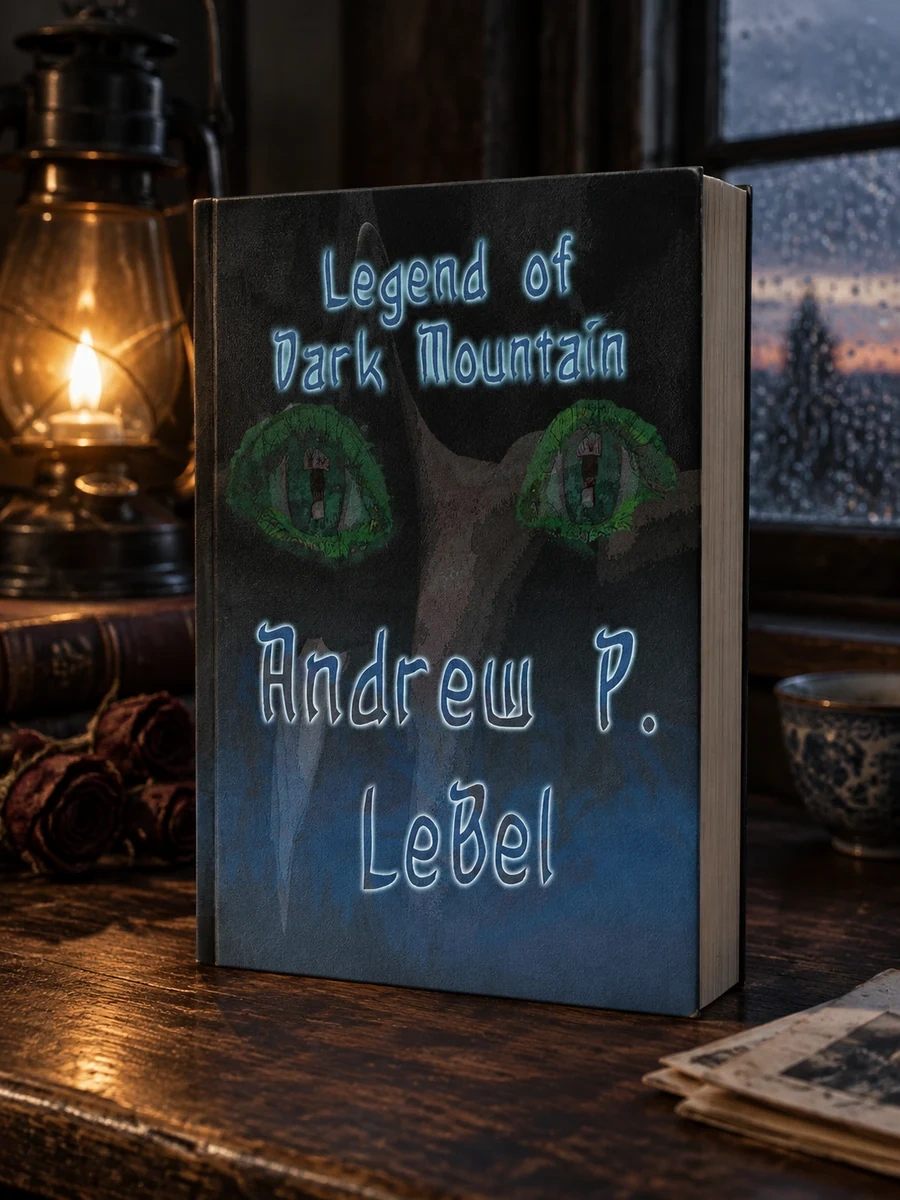
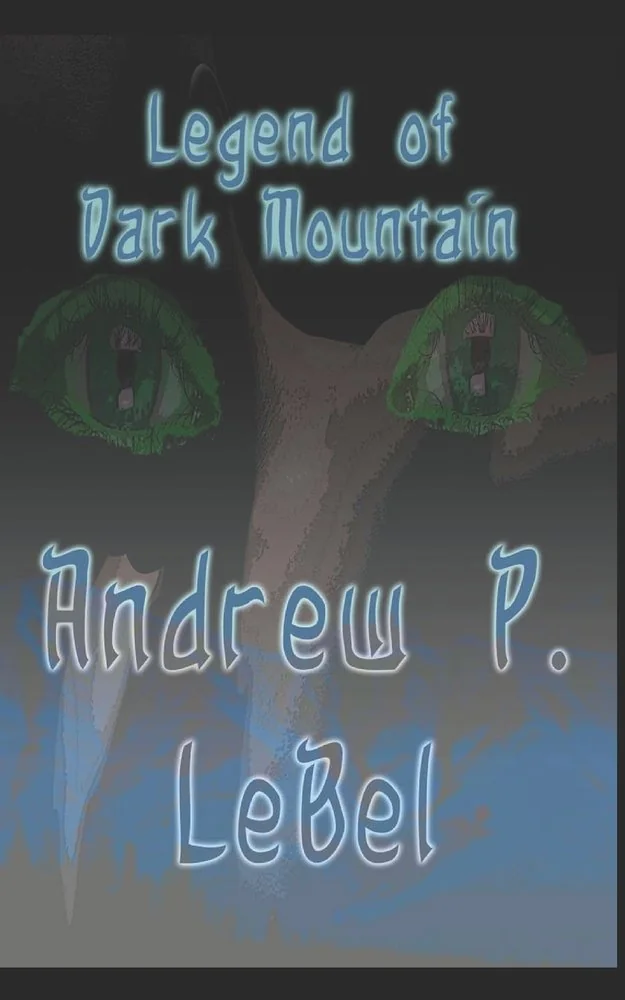
The Legend of Dark Mountian
A man confronts a family curse tied to stolen land and a phantom's emerald eyes.
The story focuses on Paul’s internal struggle with inherited fear. His mother’s account of the dark mountain phantom serves as the central mythos. The emeralds mentioned are not mere gems but the literal eyes of a spectral guardian. Paul’s journey is less about physical travel and more about his mental preparation for the unknown. The anxiety he feels acts as a barrier and a lure simultaneously. The narrative relies on the contrast between his rational disbelief and the visceral dread of the unexplained. Lebel uses this tension to drive the plot forward without resorting to action-heavy sequences.
The narrative engages with the history of Indigenous land ownership and its displacement by white settlers. It incorporates local folklore surrounding a specific geographic location known as the dark mountain. The curse originates from oral traditions passed down through family lines, reflecting regional supernatural beliefs.


📝 Description: The Legend of Dark Mountian
💎 Our verdict on The Legend of Dark Mountian
📖 Why choose it
Why this book is worth reading
Readers interested in psychological horror and localized folklore will find this book compelling for its focus on internal dread rather than external action. It appeals to those who enjoy stories where the terror stems from inherited anxiety and the weight of ancestral secrets. The narrative offers a slow-burn exploration of skepticism versus belief, making it suitable for audiences who prefer atmospheric tension over jump scares or complex world-building. Those fascinated by the intersection of land rights disputes and supernatural mythology will appreciate how the text uses oral history to drive the plot forward through Paul's mental preparation.
⭐ Reader reviews
Reader rating
Lebel crafts a tense atmosphere by contrasting rational disbelief with visceral, inherited fear. The story succeeds in making the unknown feel immediate through Paul’s internal conflict, using the emerald-eyed phantom as a potent symbol of unresolved historical trauma. While it lacks extensive world-building or historical accuracy, it delivers on its promise of psychological unease. The reliance on familial storytelling creates a grounded yet eerie tone that resonates with fans of gothic and ghost story traditions. It is best suited for readers seeking subtle horror rooted in folklore rather than action-heavy sequences.
📖 Read on the blog
🏛 Books from this publisher Independently Published








You might also like
See more →
Have a question about this item?
Ask about the edition, condition, delivery or anything else — we reply by email or phone, usually within a day.
