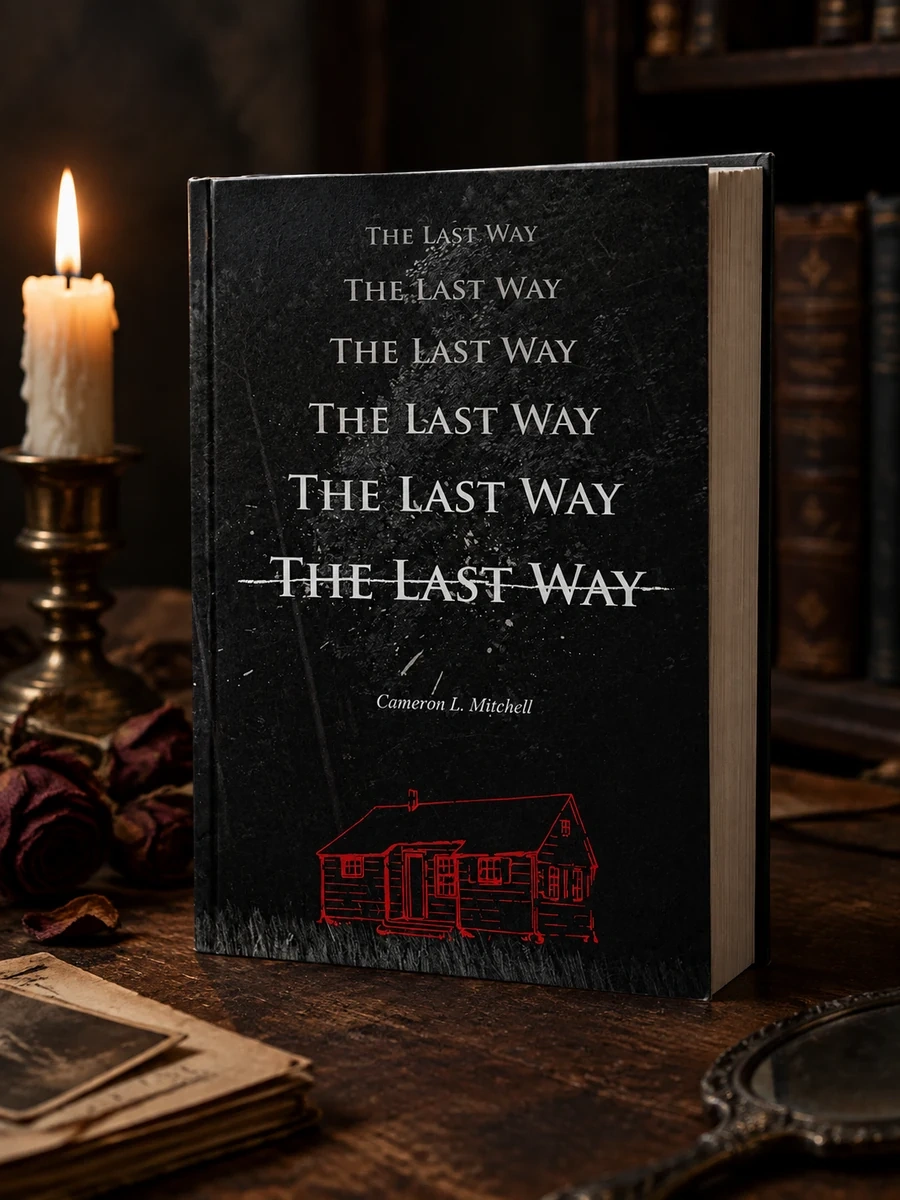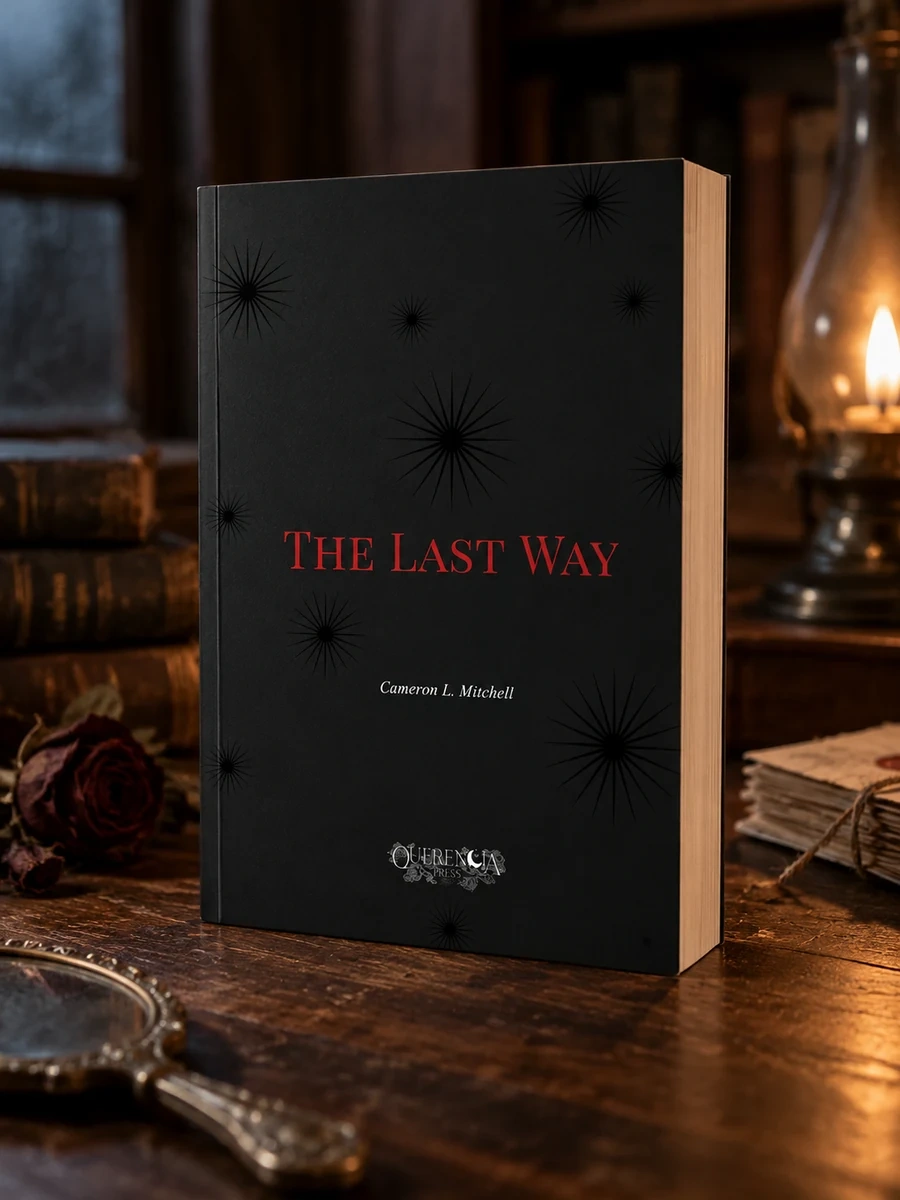
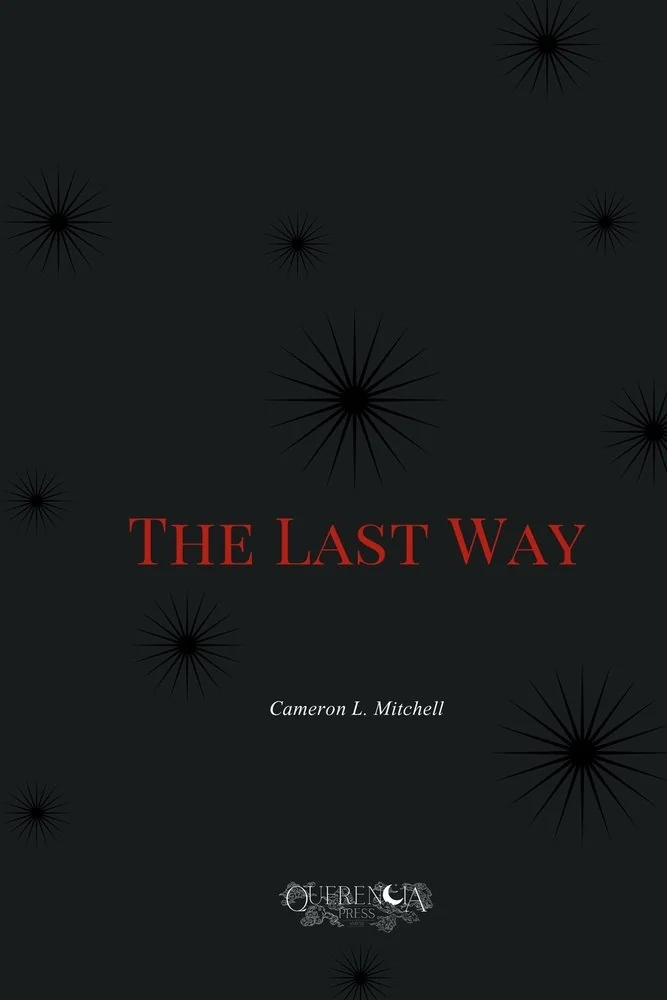
The Last Way
A boy plans his father's murder through distinct chapters of grim possibility.
The narrative focuses on the psychological erosion of a child living under the thumb of an abusive parent. Mitchell structures the work by presenting alternative scenarios for patricide, forcing the reader to engage with each gruesome option. This method highlights the boy’s loss of innocence and his calculation in the face of terror. The setting is confined to the little red house and its immediate surroundings, emphasizing isolation. The story does not rely on mystery but on the inevitability of conflict. It explores how fear can drive a person to consider extreme measures for escape.
The work sits within the southern gothic tradition, utilizing the small town setting and themes of familial decay common in American horror. It reflects contemporary interests in psychological realism and domestic thriller narratives, focusing on the internal landscape of trauma rather than external supernatural forces.


📝 Description: The Last Way
💎 Our verdict on The Last Way
📖 Why choose it
Why this book is worth reading
Readers seeking intense, unflinching portrayals of familial trauma and survival will find this book compelling. It offers a stark look at the psychological erosion caused by living under an abusive, unpredictable parent. The unique structure, presenting distinct grim possibilities for patricide, forces engagement with the protagonist's loss of innocence. Those who appreciate calculated planning in the face of terror and character studies over mystery will gain a profound understanding of how fear distorts reality. It is ideal for those comfortable with dark themes and isolated settings that emphasize the inevitability of conflict within a family unit.
⭐ Reader reviews
Reader rating
Mitchell delivers a chilling narrative centered on a young boy’s desperate planning to kill his abusive father. The structural choice to present alternative scenarios effectively highlights the protagonist's evolving desperation and calculation. By focusing on the accumulation of grim possibilities rather than external supernatural elements, the book maintains a grounded, claustrophobic tension. It suits readers who enjoy intense character studies and psychological erosion over traditional mystery or ghost stories. The confined setting of the little red house emphasizes isolation, making the threat feel immediate and inescapable. This approach offers a stark, unflinching examination of survival through calculated violence.