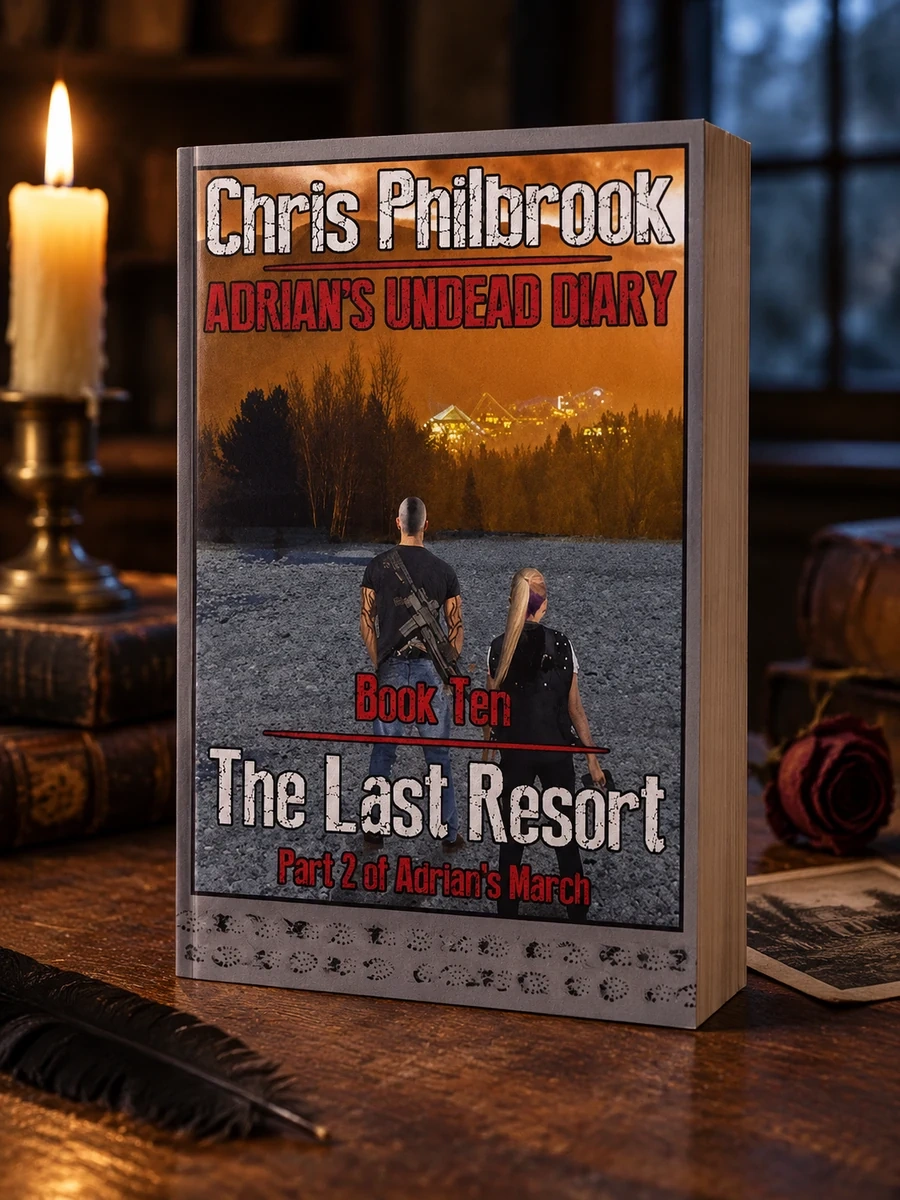

The Last Resort: Adrian's March, Part Two
A journal-based horror novel tracking Adrian Ring's struggle against a returning plague.
Philbrook uses a dual structure to tell this story. The primary section consists of Adrian’s daily logs from late 2013 to mid-2014. These entries record his anxiety about feeding his family and managing the growing refugee population at Bastion. The secondary section features distinct short stories. Steve Goes to the City explores urban dangers. The Last Plane out of Kandahar and The Only Easy Day touch on military experiences. The Citadel, Terrible Things in Your Name, and Just Me offer additional perspectives. This organization allows the reader to see the broader impact of the plague through multiple lenses. The narrative does not rely on heroic battles but on the slow collapse of social order. It highlights the fear that comes from believing safety is permanent when it is actually fragile.
The text reflects early 2010s post-apocalyptic fiction trends. It focuses on military assets like tanks and helicopters as symbols of failed security. The narrative draws on the tradition of journal-based horror to create intimacy with the protagonist's deteriorating mental state.


📝 Description: The Last Resort: Adrian's March, Part Two
💎 Our verdict on The Last Resort: Adrian's March, Part Two
📖 Why choose it
Why this book is worth reading
Readers who prefer slow-burn tension over constant action will find value in this structured exploration of survival. The book appeals to those interested in the psychological toll of resource scarcity and the breakdown of trust among refugees. It offers a grounded perspective on how alliances fracture under pressure, making it suitable for fans of realistic apocalypse tales that prioritize human conflict over zombie battles. Those who enjoy journal-based formats and multi-perspective storytelling will appreciate the layered approach to depicting a hidden plague's impact on society.
⭐ Reader reviews
Reader rating
Philbrook effectively utilizes a dual structure to ground the horror in specific dates and events, avoiding abstract concepts. The alternating format between Adrian’s daily logs and distinct short stories provides a comprehensive view of the collapsing social order. This approach highlights the anxiety of feeding a family and managing distrust within Bastion. The narrative excels in depicting the fragility of safety rather than relying on heroic battles. It suits readers who appreciate gritty, character-driven apocalypse tales where the true horror lies in human nature and the slow decay of civilization under the weight of scarcity and unknown threats from newcomers.
📖 Read on the blog
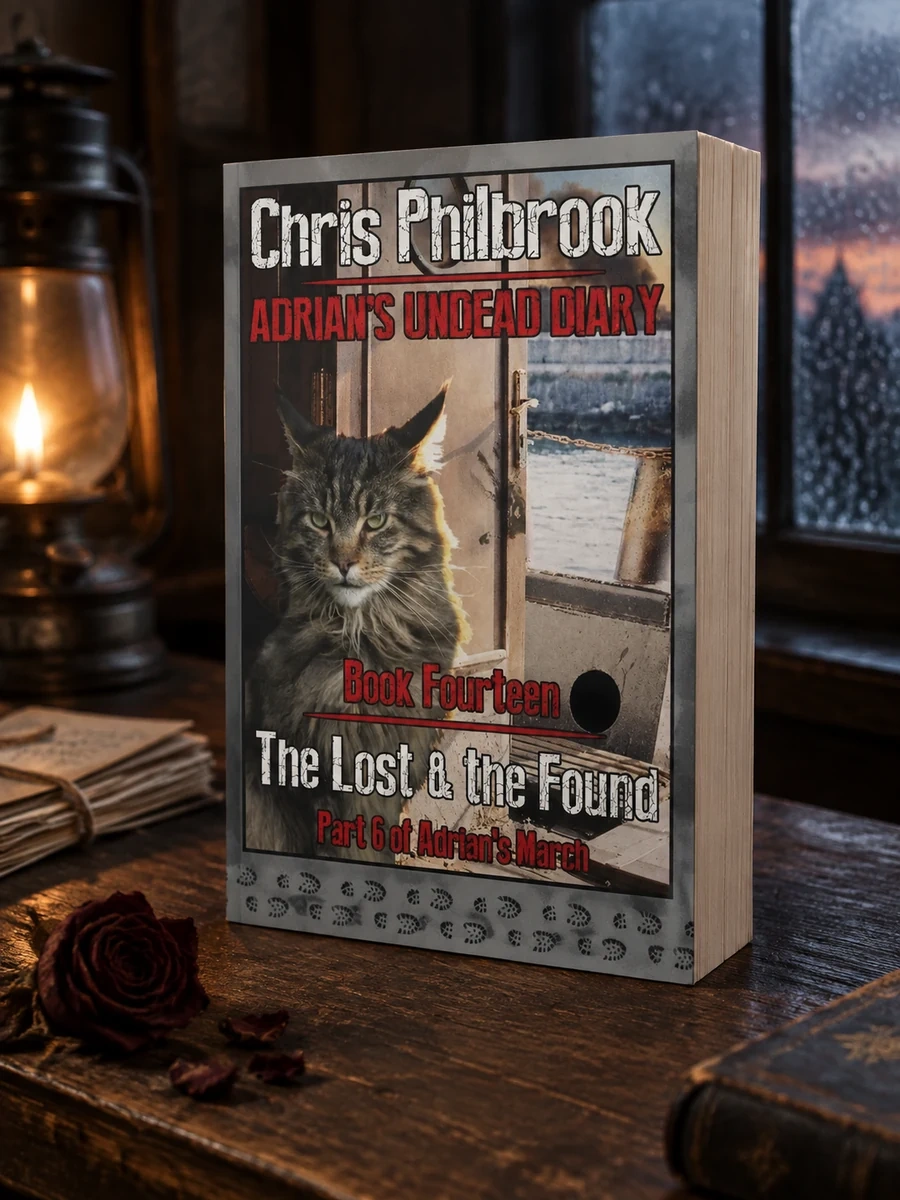
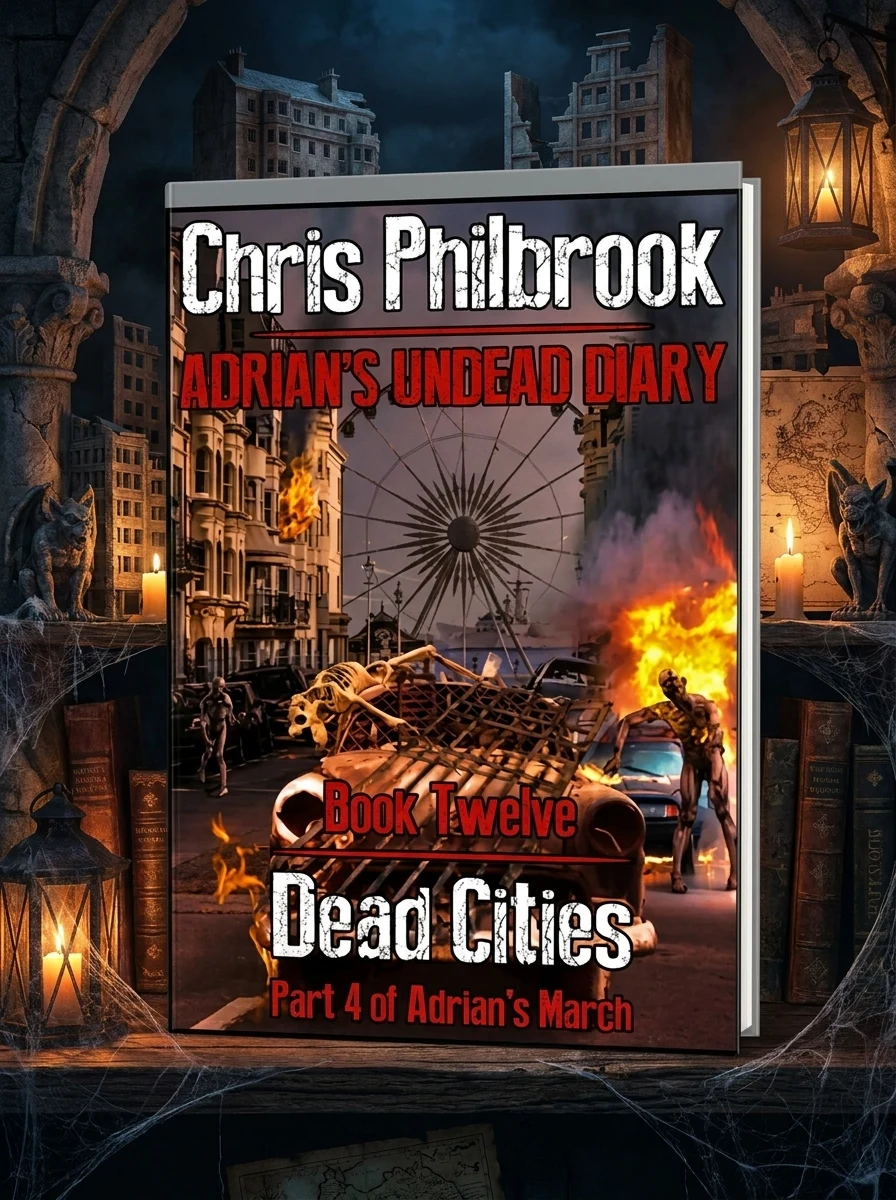
📖 From the series “Adrian's Undead Diary”
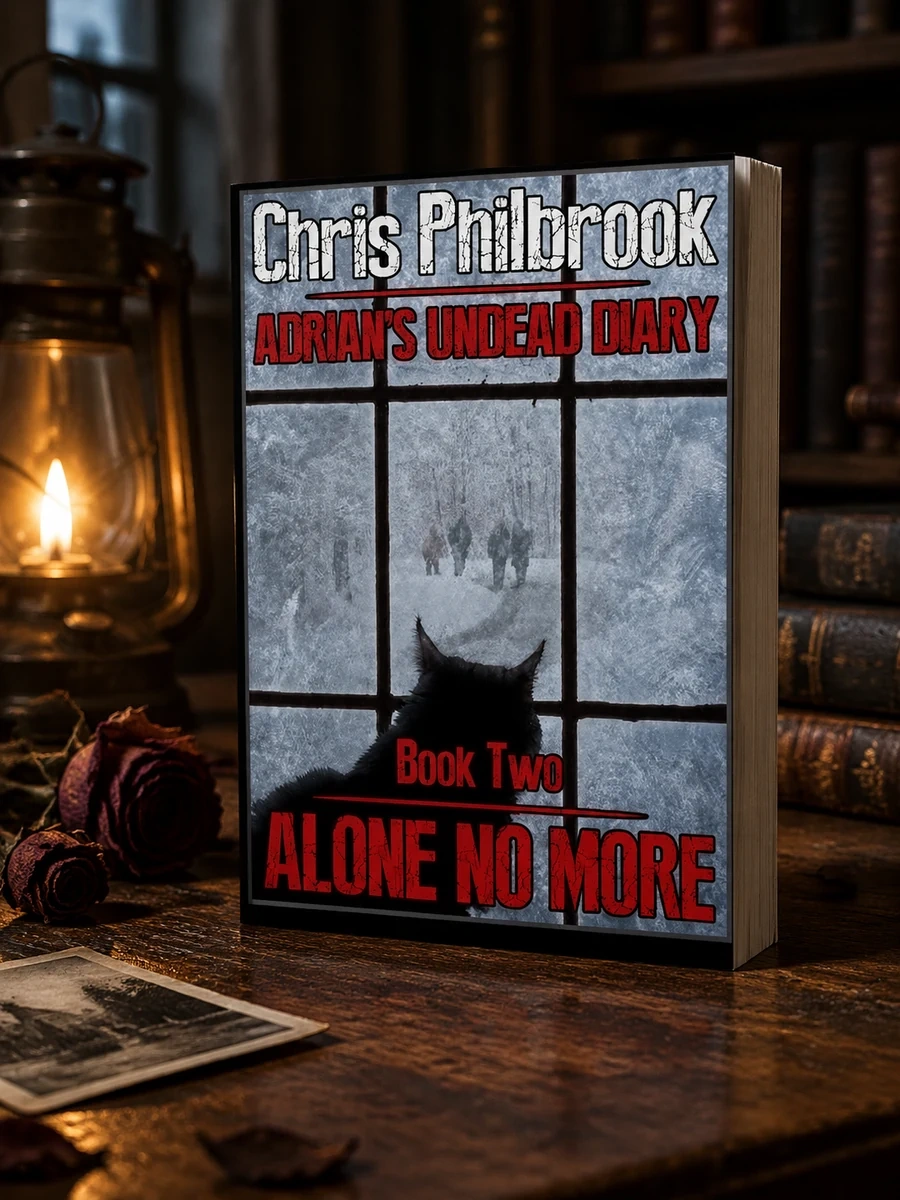


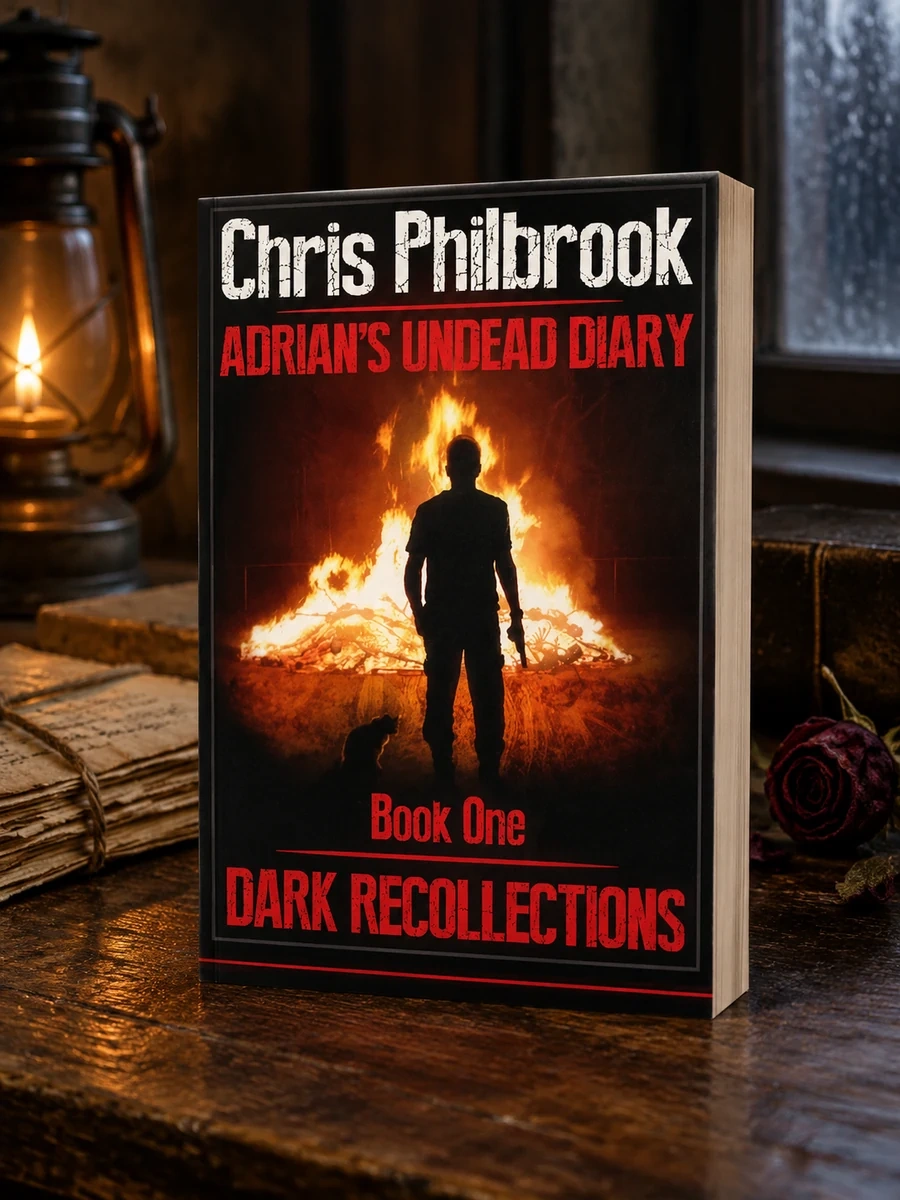
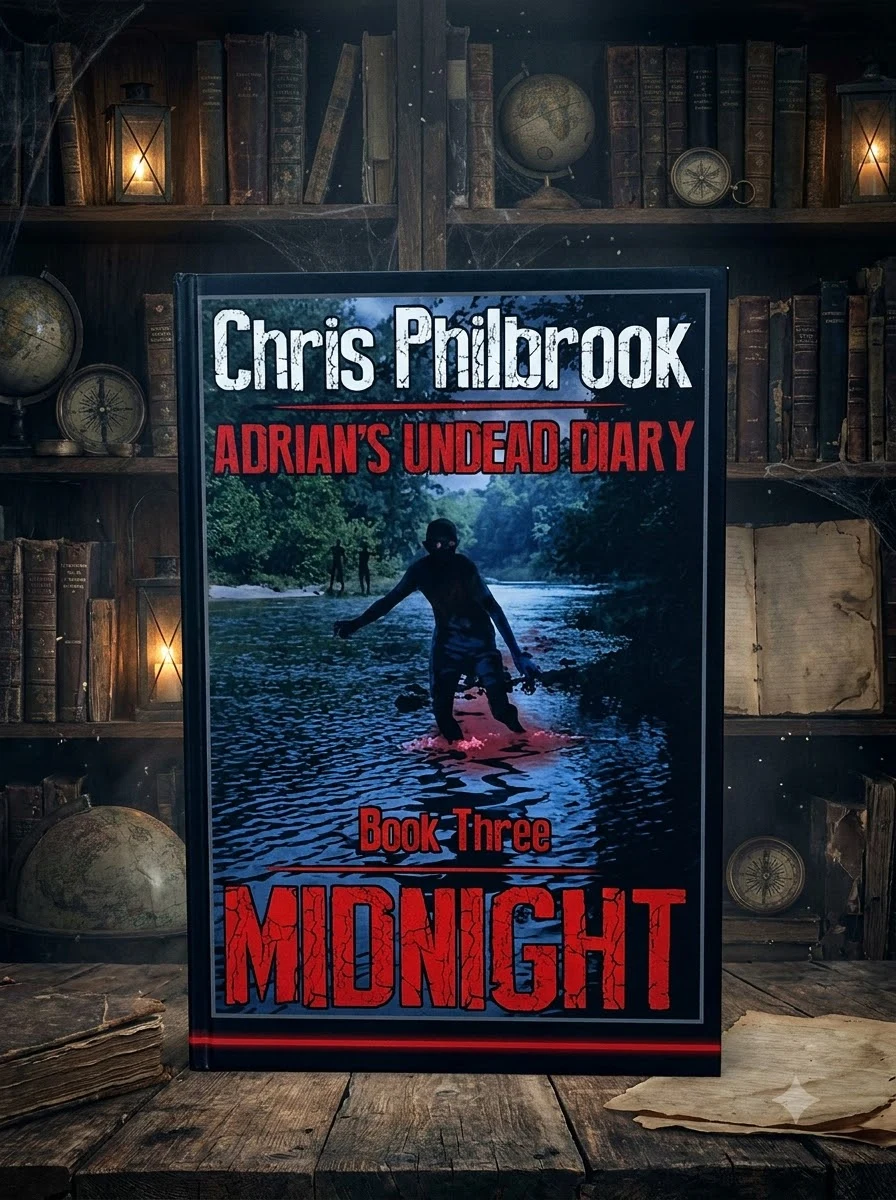

✍️ More books by this author Chris Philbrook
🏛 Books from this publisher Independently Published






You might also like
See more →


Have a question about this item?
Ask about the edition, condition, delivery or anything else — we reply by email or phone, usually within a day.
