The Last Child
A mother breaks therapy rules to recover memories, unleashing nightmares that invade reality.
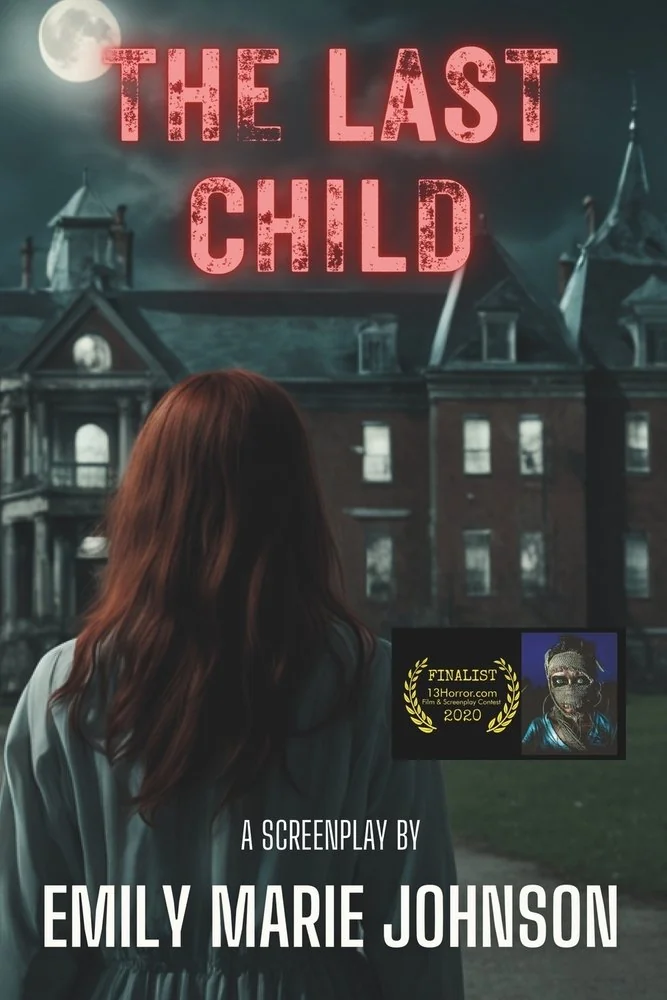
Emily Johnson’s The Last Child follows Kendra, a single mother seeking to recover lost childhood memories through experimental therapy. When she violates the treatment rules to retrieve these memories alone, her benign dreams shift into hellish visions that bleed into reality. This narrative descent leads her to an asylum where her biological parents are kept sedated. The story examines a congenital disease affecting her family for generations, revealing a sinister root behind the condition. Kendra must confront this legacy to prevent it from harming her child. Johnson structures the plot around the collapse of therapeutic boundaries and the intrusion of nightmare into waking life. The text draws on gothic traditions of inherited curses and institutional horror. It focuses on the psychological toll of repressed trauma and the physical manifestation of mental illness. The narrative does not offer easy answers but rather a descent into a family history of torment. Readers who enjoy slow-burn psychological horror and stories about familial duty will find this compelling. Those preferring fast-paced action or clear supernatural resolutions may find the ambiguity unsettling. The book remains grounded in Kendra’s personal struggle against a generational evil.
Published in 2024 by Independently Published, this work sits within contemporary horror fiction. It engages with modern anxieties regarding mental health treatment and institutional care. The narrative reflects current interests in psychological thriller elements blended with supernatural dread.


📝 Description: The Last Child
💎 Our verdict on The Last Child
📖 Why choose it
Why this book is worth reading
Readers who appreciate slow-burn psychological horror and intricate explorations of familial duty will find this narrative compelling. The book offers a deep dive into the psychological toll of repressed trauma and the physical manifestation of mental illness, appealing to those who enjoy ambiguous endings. It is ideal for audiences seeking stories grounded in personal struggle against generational evil rather than fast-paced action or clear supernatural resolutions. Those who value atmospheric tension over plot clarity will gain significant satisfaction from the descent into a history of torment.
⭐ Reader reviews
Reader rating
Johnson structures her narrative around the collapse of therapeutic boundaries, effectively blending gothic traditions of inherited curses with modern institutional horror. The text excels in portraying the intrusion of nightmare into waking life, creating a pervasive sense of dread that lingers long after reading. While the ambiguity may unsettle readers preferring clear supernatural resolutions, it serves the story’s focus on the psychological toll of repressed trauma. The book remains grounded in Kendra’s personal struggle, offering a nuanced examination of congenital disease and familial duty. It is a challenging but rewarding read for those who enjoy atmospheric, slow-burn horror that prioritizes emotional depth over conventional plot mechanics.