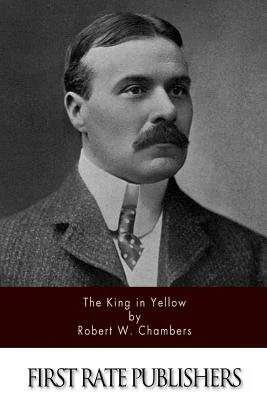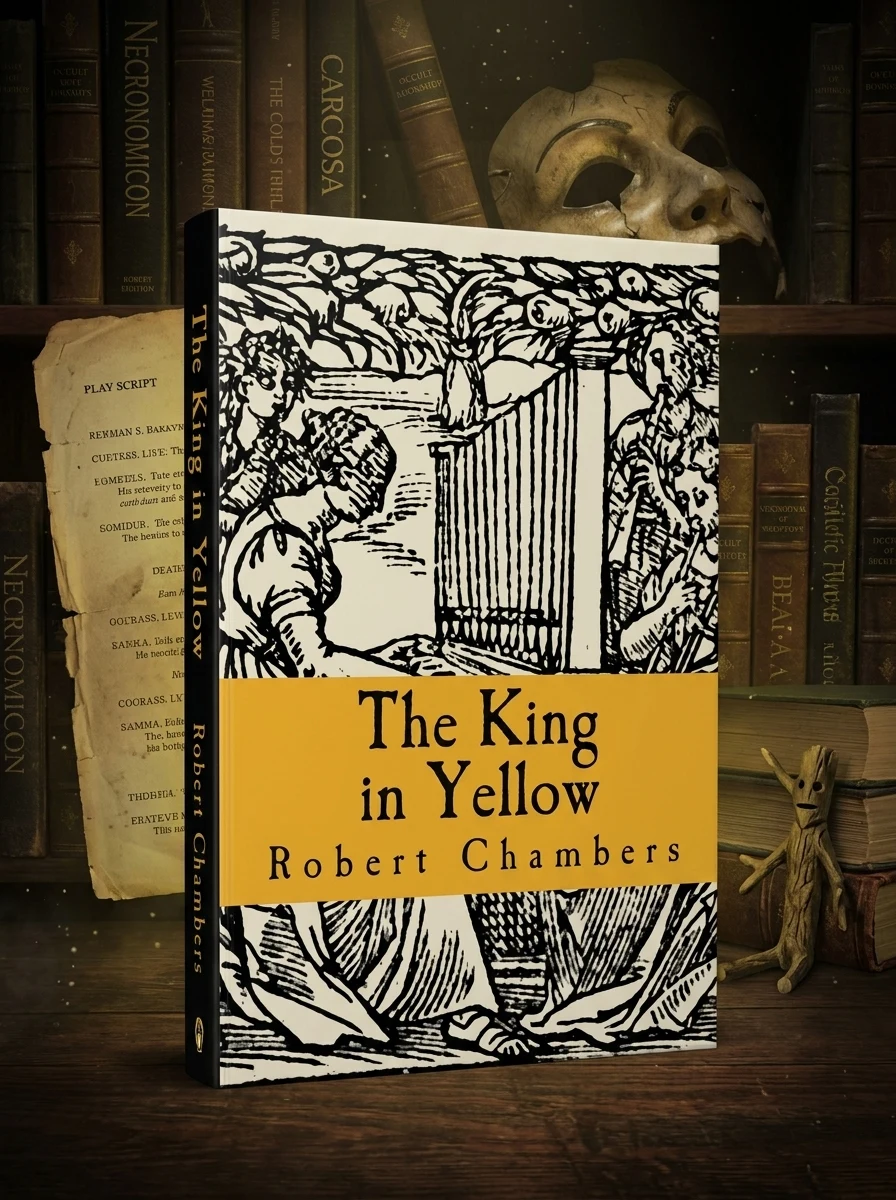
The King in Yellow
A collection of ten stories about a play that causes madness in its readers.
This book functions as an anthology where the central conceit is a dangerous piece of theater. Chambers uses this device to link disparate narratives together, creating a unified theme of psychological unraveling. The inclusion of specific tales like The Mask and In the Court of the Dragon demonstrates how the author builds tension through repetition of key symbols. The structure relies on the reader recognizing the pattern of decay that follows characters who engage with the play. This approach distinguishes it from standard ghost stories by focusing on mental collapse rather than physical threats.
Published in 1895, this work bridges late Victorian gothic fiction and early modern weird tales. It influenced H.P. Lovecraft and the HBO series True Detective, establishing a lineage of cosmic horror that values atmosphere and psychological dread over traditional monster encounters.


📝 Description: The King in Yellow
💎 Our verdict on The King in Yellow
📖 Why choose it
Why this book is worth reading
Readers seeking atmospheric dread over action will find value in this foundational text of cosmic horror. It offers a unique study in mental collapse through the lens of forbidden knowledge and theatrical mystery. Fans of late nineteenth-century weird fiction who appreciate subtle, psychological unraveling rather than physical threats or explicit gore will discover a profound exploration of despair. The work’s legacy is built on blending supernatural terror with intellectual intrigue, influencing creators like Lovecraft and modern media such as True Detective. It provides a heavy, deliberate tone suitable for those interested in the psychological toll of engaging with dangerous artifacts, making it essential for connoisseurs of gothic and cosmic horror traditions who value structural cohesion and thematic depth over conventional adventure.
⭐ Reader reviews
Reader rating
Chambers masterfully links disparate narratives through the central conceit of a dangerous play, creating a cohesive atmosphere of psychological unraveling. The anthology excels in building tension via repeated symbols and patterns of decay, distinguishing itself from standard ghost stories by focusing on mental collapse rather than physical threats. This approach results in a study of horror that is both unsettling and intellectually stimulating. It suits fans of gothic traditions and cosmic horror who appreciate atmospheric dread and deliberate pacing. While those seeking straightforward adventure may find the tone heavy, enthusiasts of weird fiction will recognize its significance as a foundational text that influences modern supernatural terror without relying on gore or jump scares.