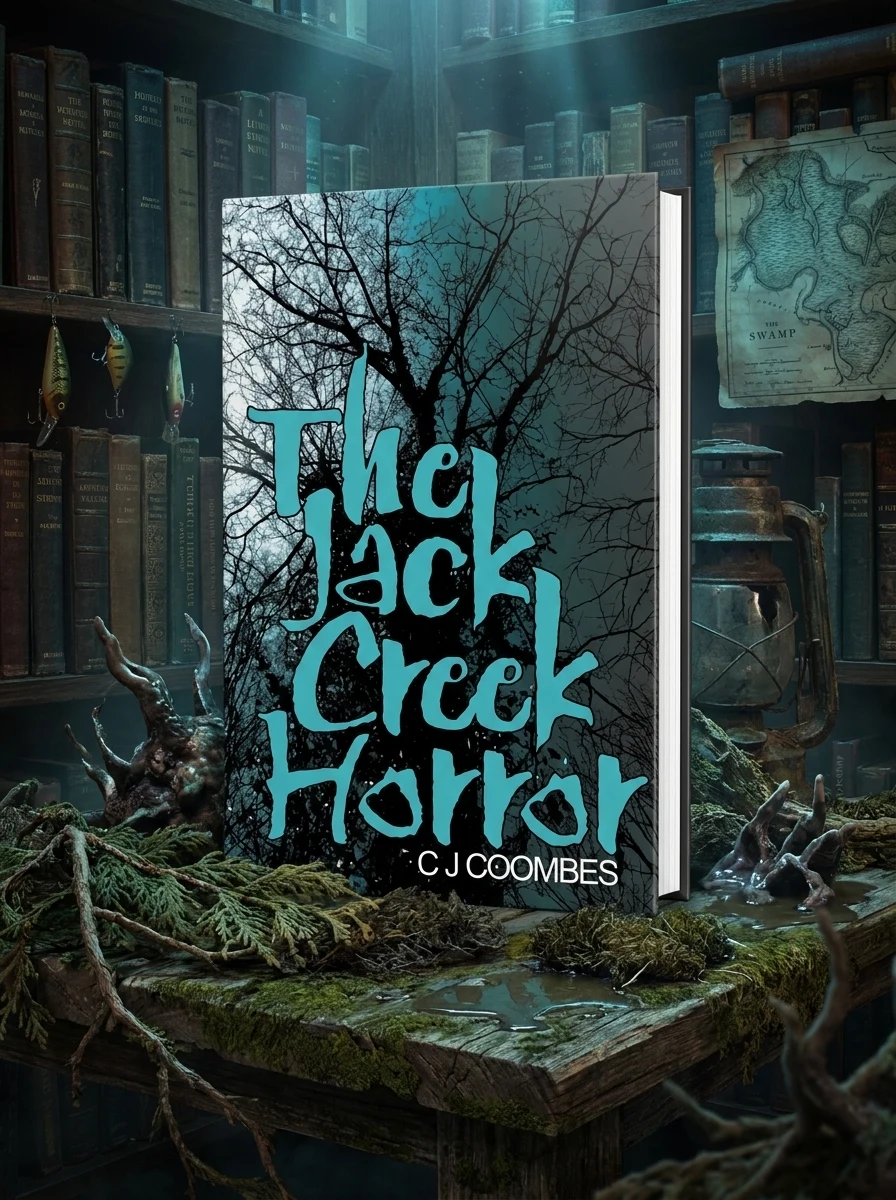
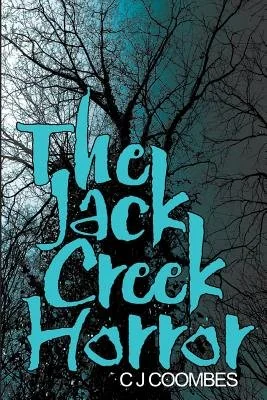
The Jack Creek Horror
A story about a resort town facing death from a swamp organism.
Denboer’s work examines how a community survives when its natural surroundings turn hostile. The plot tracks the shift from everyday complaints about fishing to a national crisis. By focusing on the cedar swamp, the author illustrates how environmental changes can lead to catastrophic outcomes for those dependent on tourism. The narrative does not rely on jump scares but rather on the slow realization of a deadly presence affecting both locals and the wider country.
Published in 2015 by C. John Coombes, this work sits within the tradition of American horror fiction that explores rural settings and environmental dread. It reflects a period where ecological anxiety began influencing genre storytelling, focusing on the vulnerability of tourism-dependent areas to unseen natural threats.


📝 Description: The Jack Creek Horror
💎 Our verdict on The Jack Creek Horror
📖 Why choose it
Why this book is worth reading
Readers who appreciate slow-burn atmospheric dread and ecological themes will find this narrative compelling. It offers a unique perspective on how everyday environmental shifts can escalate into national crises, focusing on the psychological toll on isolated communities rather than supernatural elements. The book appeals to those interested in the intersection of tourism, sportsmen interests, and biological threats. By tracing the progression from minor local grievances to widespread tragedy, it provides a grounded, intelligent examination of human vulnerability against an unknown biological enemy. It is ideal for audiences seeking intellectual horror that avoids jump scares in favor of creeping unease and realistic societal reactions to catastrophic ecological change.
⭐ Reader reviews
Reader rating
Denboer crafts a tense, intelligent exploration of ecological collapse through the lens of horror fiction. The narrative effectively traces the shift from mundane complaints about fishing to a terrifying national crisis, grounding the fear in a physical organism rather than ghosts. This approach highlights the fragility of resort towns dependent on outdoor leisure when facing biological threats. The story avoids cheap thrills, opting instead for a slow realization of danger that affects both locals and the wider country. It is best suited for readers who enjoy psychological depth and environmental anxiety over fast-paced action. The focus on community reactions and national implications gives the tale weight, making it a standout in the subgenre of biological horror.
You might also like
See more →







Have a question about this item?
Ask about the edition, condition, delivery or anything else — we reply by email or phone, usually within a day.
