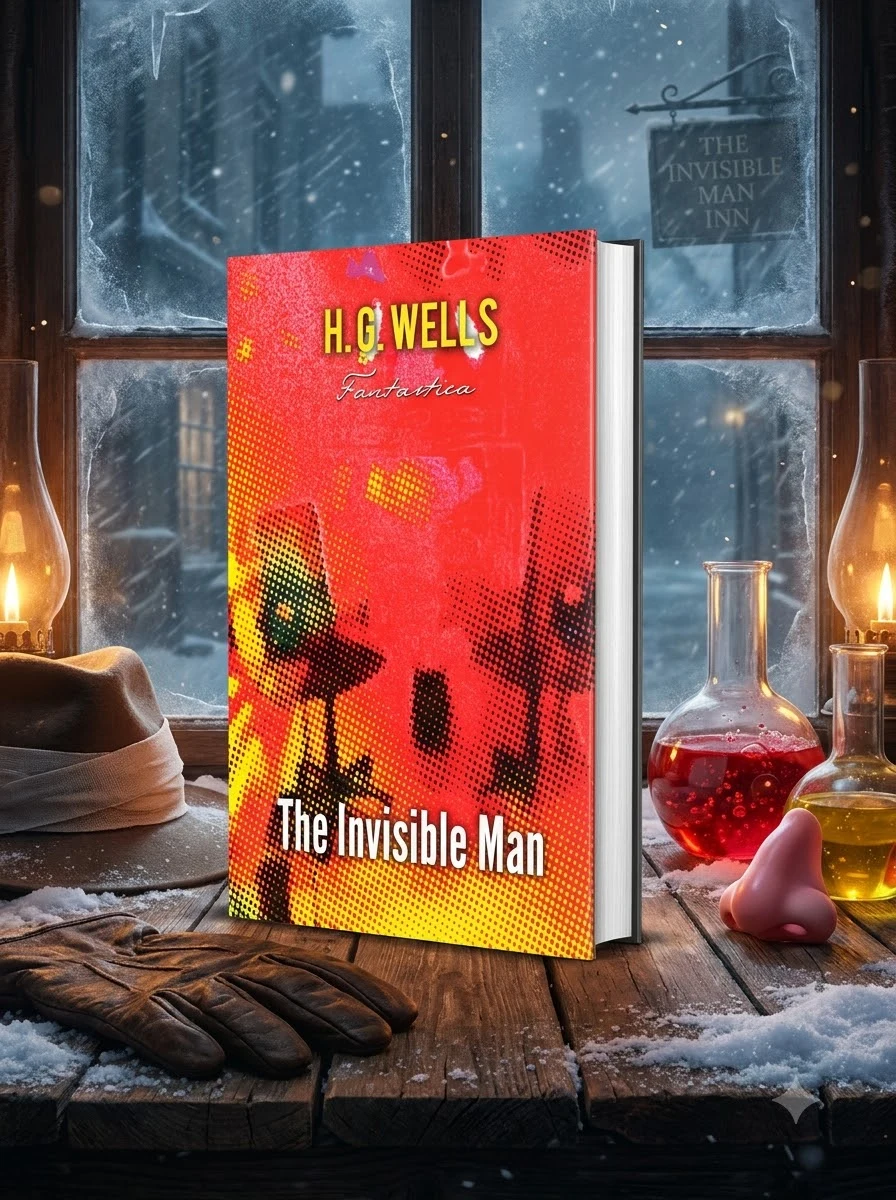
The Invisible Man
A scientist hides his invisibility behind bandages in a quiet English village.
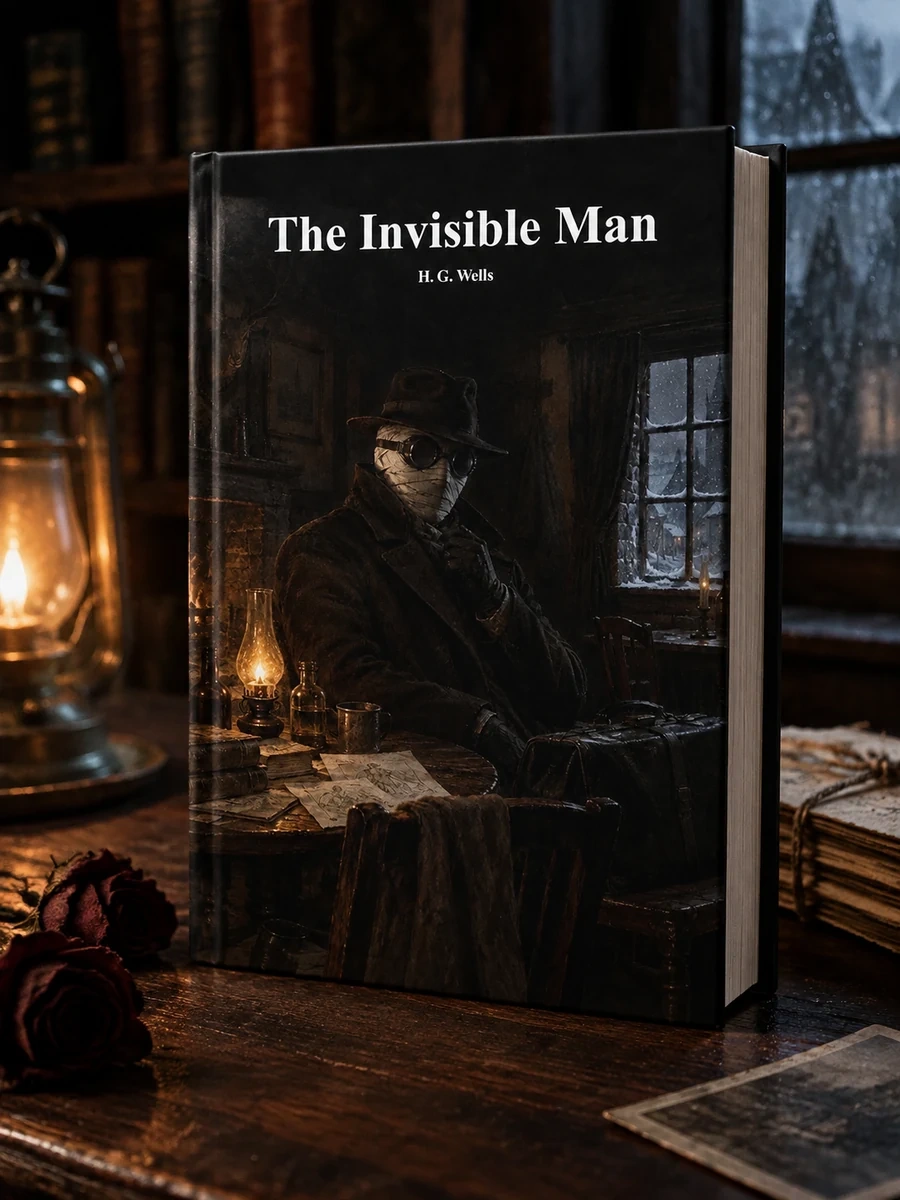
Griffin arrives in Iping during a snowstorm, fully wrapped in bandages and dark clothing to conceal his invisible body. He isolates himself in an inn room, working with dangerous chemicals while avoiding human contact. His aggressive behavior and refusal to remove his disguise create immediate suspicion among the locals. The story follows his increasing paranoia and the villagers' attempts to understand the stranger's secrets. Wells uses this setup to examine the dangers of unchecked scientific ambition. The tension builds as Griffin’s reclusive habits become more disturbing. The narrative does not offer easy answers but instead presents a grim portrait of isolation and power. This edition preserves the original tone of fear and uncertainty that defined early horror fiction.
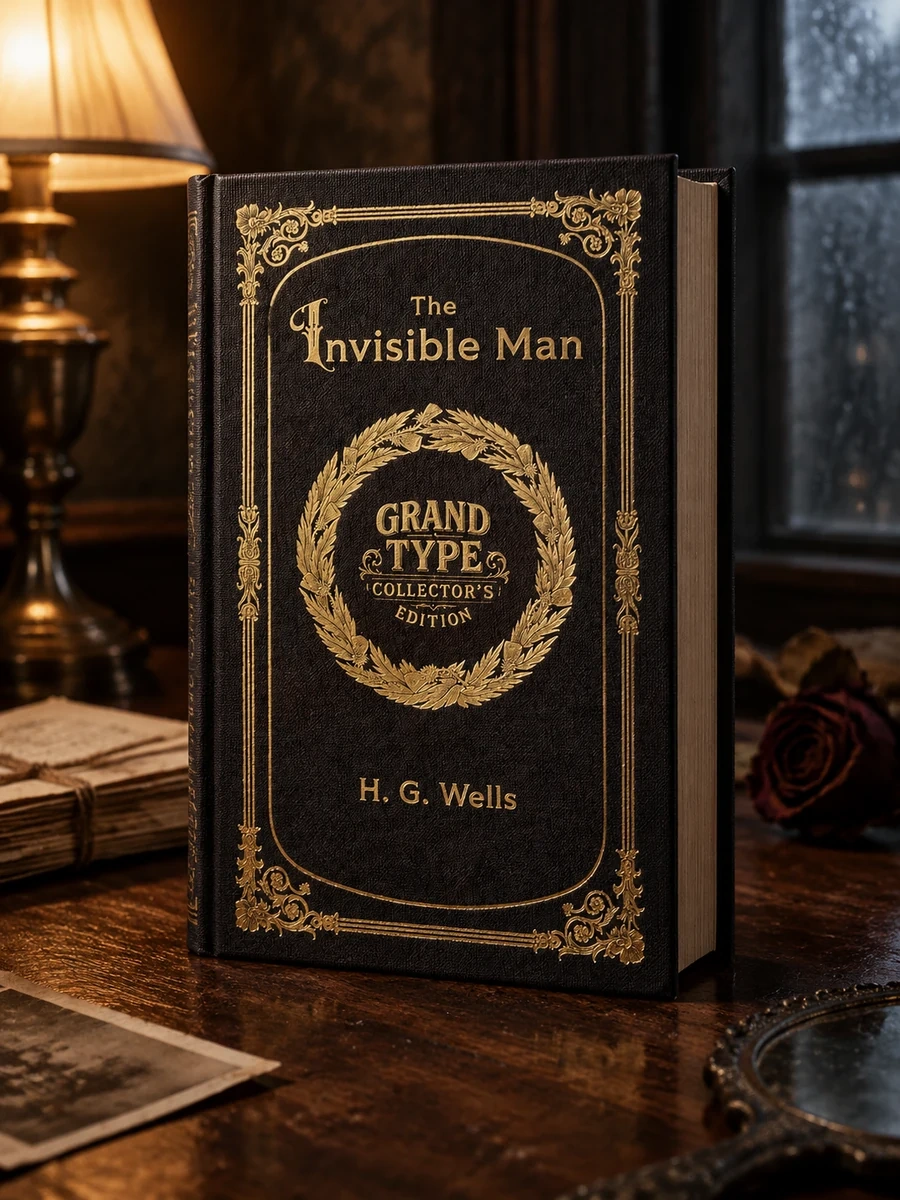
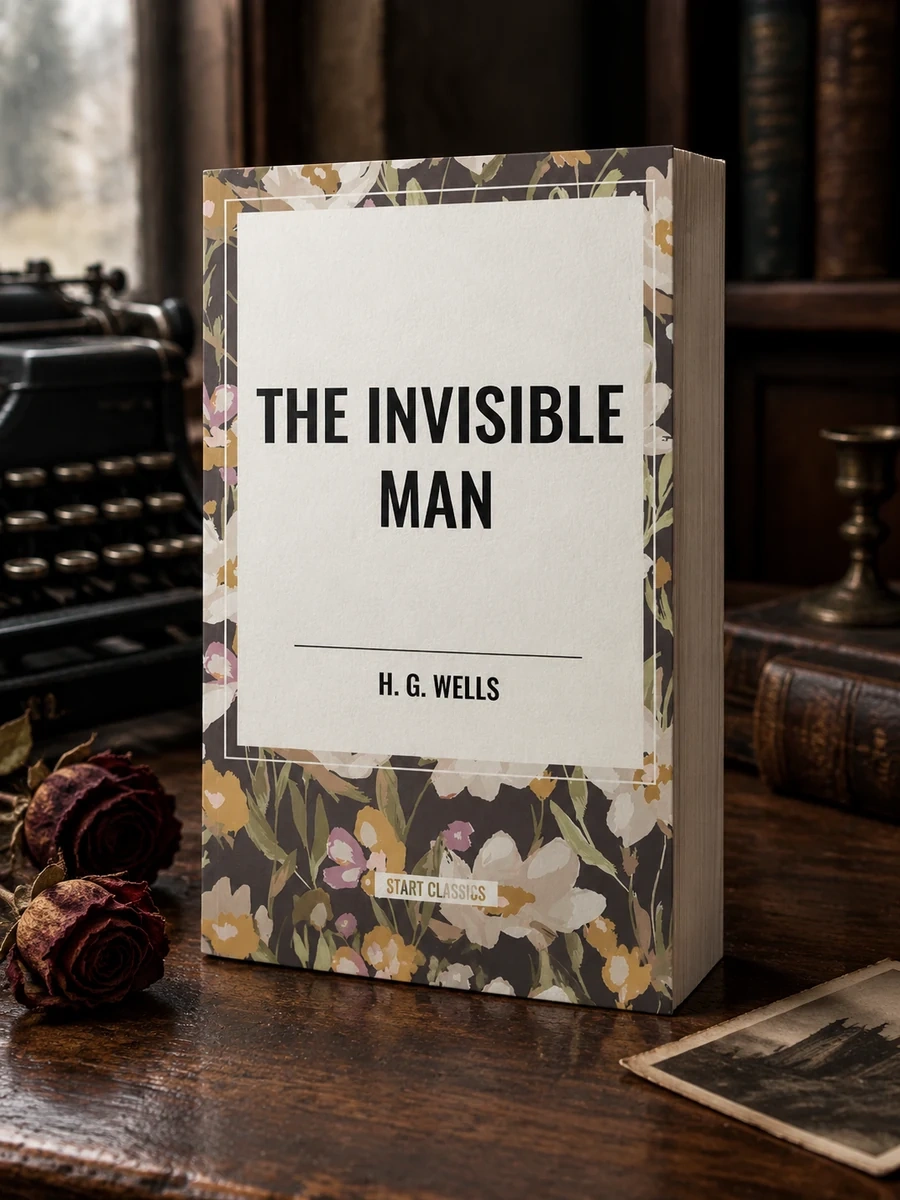
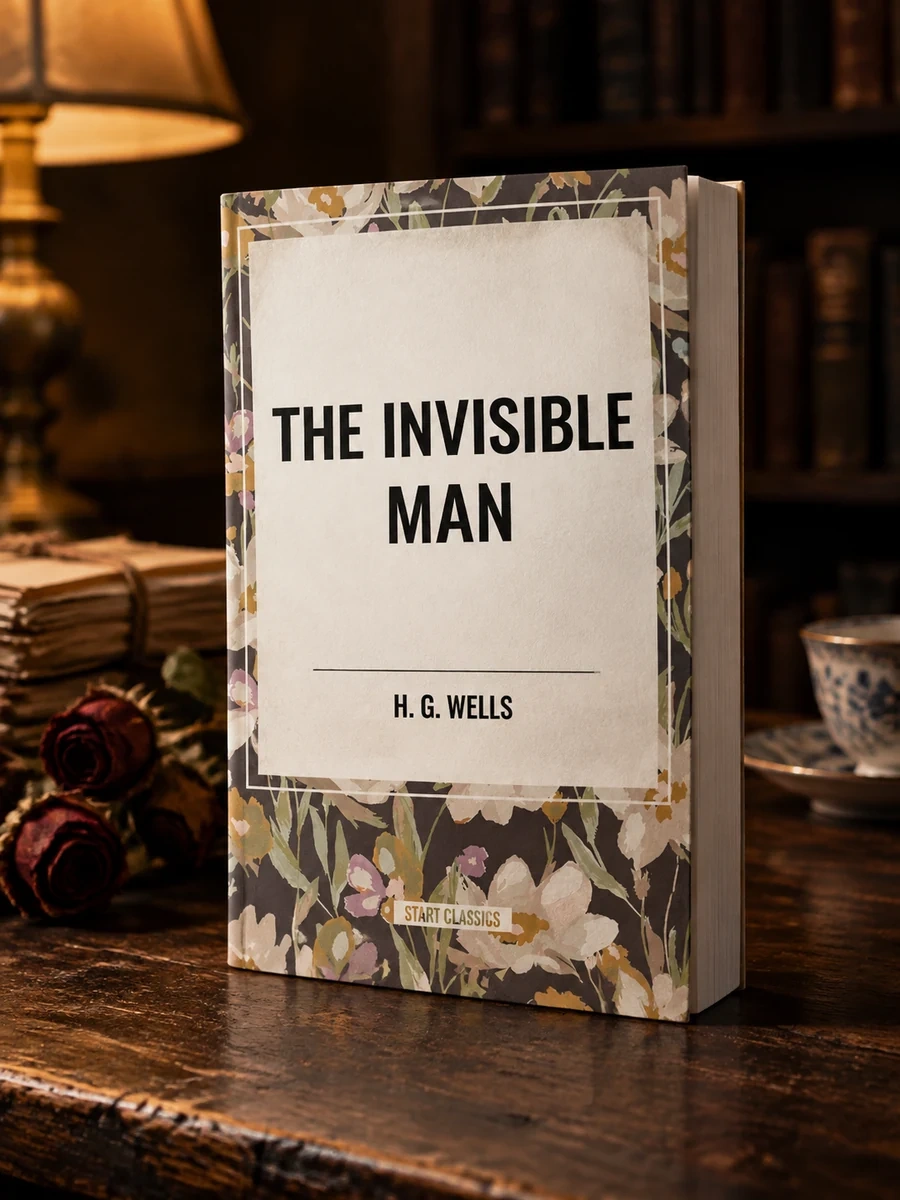
Published by Fantastica in 2018, this edition revives H. G. Wells' classic work. The story is set in Iping, West Sussex, during a snowy winter. It reflects late Victorian anxieties about science and morality. The text draws on gothic traditions of the monstrous stranger arriving in a closed community.


📝 Description: The Invisible Man
💎 Our verdict on The Invisible Man
📖 Why choose it
Why this book is worth reading
Readers interested in the origins of psychological horror and the tension between science and society will find this book compelling. It offers a grim portrait of isolation, exploring how power corrupts when detached from human connection. Those who appreciate gothic atmospheres set in quiet English villages will enjoy the slow-building unease. The narrative does not provide easy answers, making it ideal for those who prefer complex character studies over simple resolutions. It serves as a foundational text for understanding how early speculative fiction examined the dangers of scientific ambition without moral reassurance.
⭐ Reader reviews
Reader rating
Wells masterfully constructs a chilling atmosphere of uncertainty, focusing on Griffin’s descent into madness within the confined space of Iping inn. The book excels in portraying the immediate suspicion and growing disturbance among villagers, creating tension through isolation rather than action. It is best suited for readers who enjoy early psychological horror and gothic traditions that prioritize mood and character study. While it lacks fast-paced excitement or clear moral resolutions, its exploration of scientific hubris remains potent. The narrative effectively grounds supernatural elements in realistic rural life, offering a timeless examination of the dangers of unchecked power and reclusive behavior.
📖 Read on the blog
✍️ More books by this author H G Wells



You might also like
See more →

Have a question about this item?
Ask about the edition, condition, delivery or anything else — we reply by email or phone, usually within a day.
