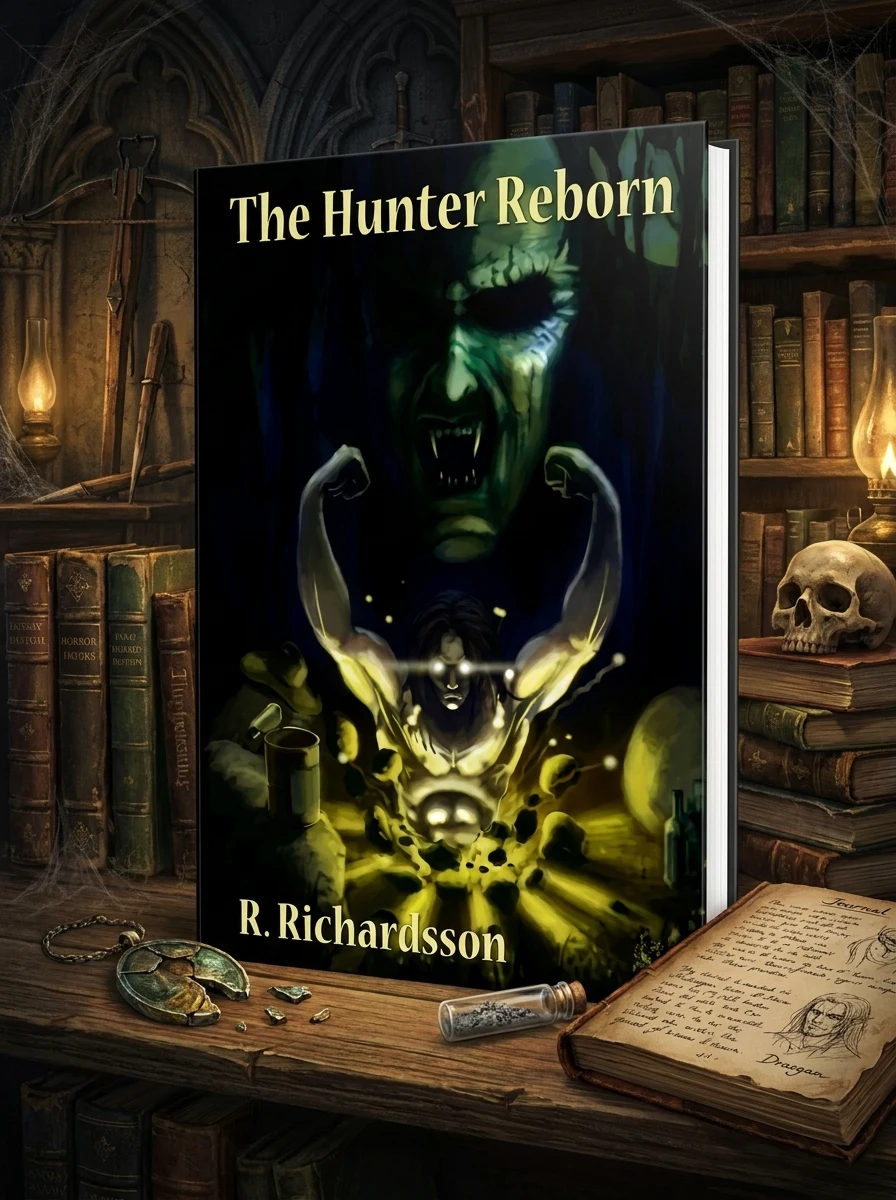
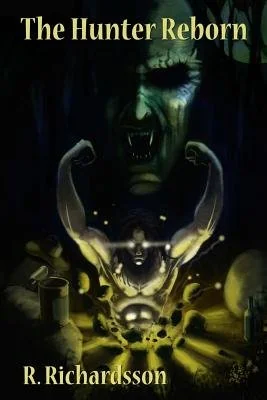
The Hunter Reborn
A survivor grapples with total isolation after defeating a supernatural enemy.
John Rizzerio reflects on his defeat of Draegan and the subsequent loss of his entire support system. He realizes that winning the battle meant sacrificing his family and friends to henchmen and Death. The narrative focuses on his internal struggle as his will slips away alongside his faith in the divine creator who once protected his lineage. It is a study of how personal vengeance can lead to absolute loneliness.
This work emerges from the American independent publishing landscape, specifically through R. Richardsson. It engages with gothic horror traditions that emphasize ancestral curses and the psychological toll of fighting monsters. The narrative reflects a modern skepticism toward divine protection in the face of senseless tragedy.


📝 Description: The Hunter Reborn
💎 Our verdict on The Hunter Reborn
📖 Why choose it
Why this book is worth reading
This book is designed for readers who find comfort in introspective narratives that explore the heavy toll of supernatural conflict on the human psyche. It appeals to those interested in how personal vengeance can lead to absolute loneliness and the erosion of belief in a protective divine order. Readers seeking uplifting resolutions or clear answers about the afterlife will likely find this work unsatisfying, as it offers no comfort but rather examines the void left by victory. Those who prefer character-driven horror that focuses on grief and existential dread following supernatural events will gain the most from this text. It is a study of how prolonged conflict hardens an individual against horror until they face a void that no battle can fill, making it suitable for audiences willing to engage with difficult emotional themes without recourse to traditional comfort.
⭐ Reader reviews
Reader rating
Lars Nielsen delivers a stark examination of the aftermath of supernatural victory, focusing on John Rizzerio’s internal struggle as his will and faith slip away. The narrative effectively questions the reliability of divine creators who bind lineage with sacred charges that result in isolation. By highlighting the fragility of human connection when weighed against personal war, the text avoids action-heavy tropes in favor of deep psychological trauma. This approach suits readers who prefer introspective horror over conventional plot progression. While it does not offer comfort or clear answers regarding the afterlife, it provides a compelling look at how personal vengeance leads to absolute loneliness. The work is best appreciated by those who enjoy studying the erosion of belief and the specific pain of losing everything for a cause that leaves one alone.
You might also like
See more →







Have a question about this item?
Ask about the edition, condition, delivery or anything else — we reply by email or phone, usually within a day.
