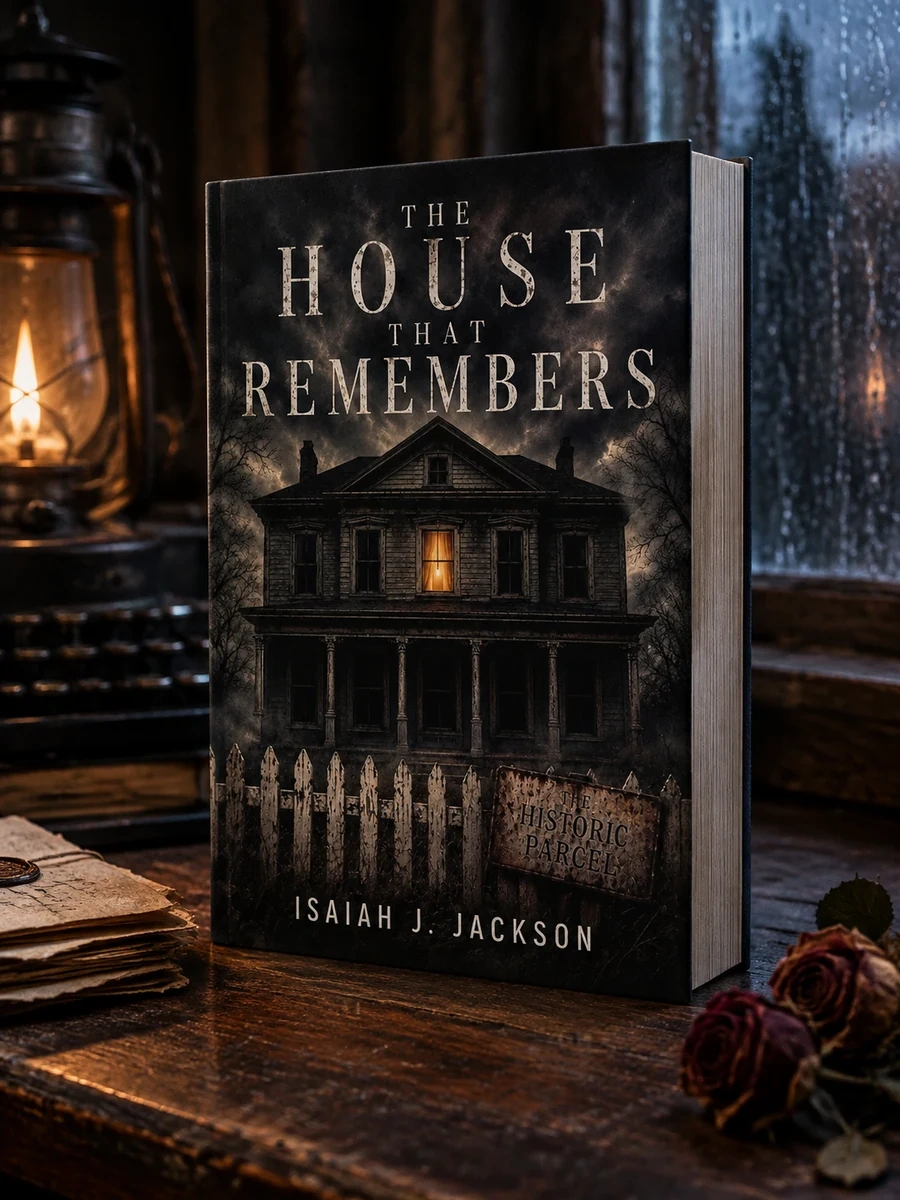
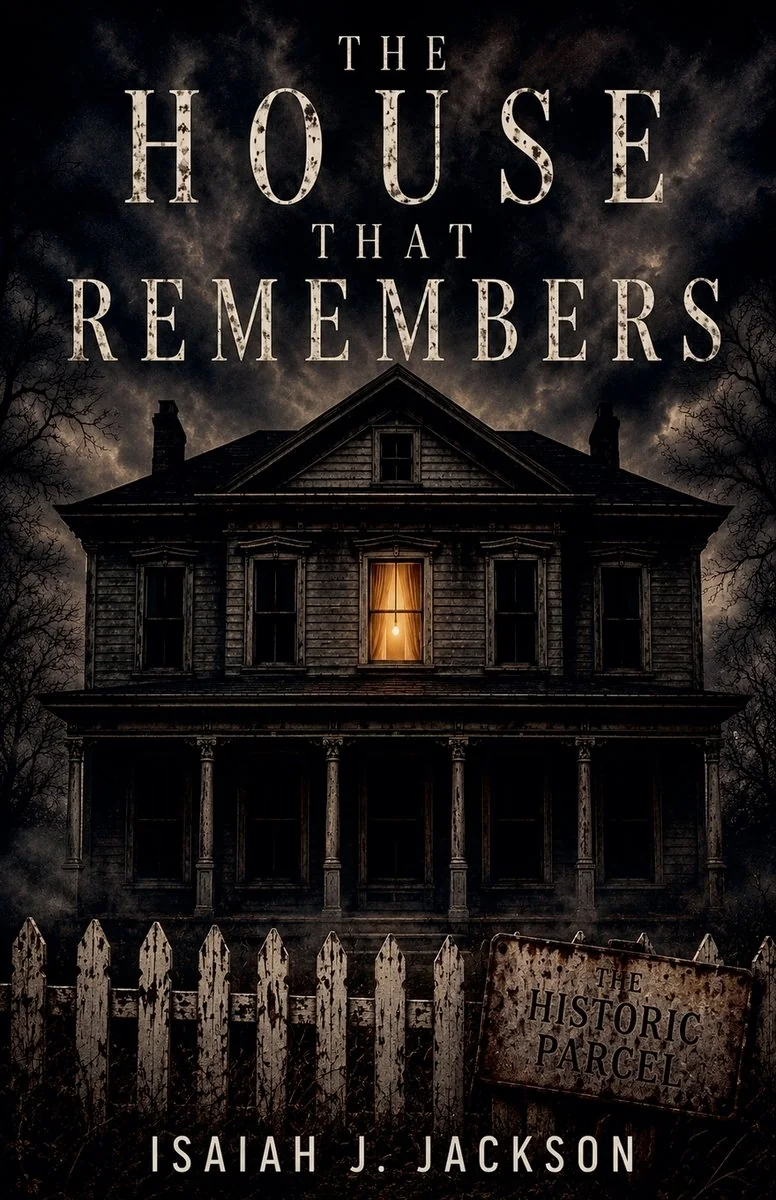
The House The Remembers
A family discovers a house that remembers everything they try to forget.
The narrative follows the Carter family as they settle into a home that seems to hold them captive through its very structure. Time behaves unpredictably within its walls, creating confusion between what is real and what is remembered. The house does not attack but rather waits, allowing the family’s own history to become a trap. Jackson uses this setting to examine how places can absorb and reflect the lives of those who inhabit them. The story does not offer escape or explanation, leaving the reader with a sense of lingering uncertainty about the nature of memory and place.
Published in 2026 by Isaiah J. Jackson, this work fits within the contemporary independent horror market. It draws on gothic traditions where the home is a character. The release date places it in recent speculative fiction trends focusing on psychological dread over supernatural spectacle.


📝 Description: The House The Remembers
💎 Our verdict on The House The Remembers
📖 Why choose it
Why this book is worth reading
Readers seeking atmospheric supernatural fiction that prioritizes slow-burn tension will find this narrative compelling. It offers a profound examination of how physical space absorbs and reflects human history, creating a trap through memory rather than external monsters. Those who appreciate gothic traditions where architecture influences character fate will engage with the quiet unease presented here. The book is ideal for those willing to endure ambiguous narratives that focus on internal disintegration. It provides a lingering sense of dread without relying on sensationalism or clear resolutions, appealing to readers who value psychological weight over action.
⭐ Reader reviews
Reader rating
Jackson delivers a masterclass in quiet horror, utilizing the Carter family’s entrapment to explore the psychological weight of place. The narrative excels in its refusal to offer escape or explanation, leaving uncertainty about memory and reality. This approach creates a potent sense of dread that lingers long after reading. It suits readers interested in atmospheric supernatural fiction who appreciate slow-burn tension over jump scares. Those seeking fast-paced action may find the ambiguous nature frustrating. However, for fans of gothic traditions where architecture influences character fate, this work is highly relevant. It avoids sensationalism in favor of a deep, unsettling meditation on time and history within domestic spaces.
You might also like
See more →







Have a question about this item?
Ask about the edition, condition, delivery or anything else — we reply by email or phone, usually within a day.
