The House That Wasn't There
A construction worker enters a house that defies physical laws and cannot leave.
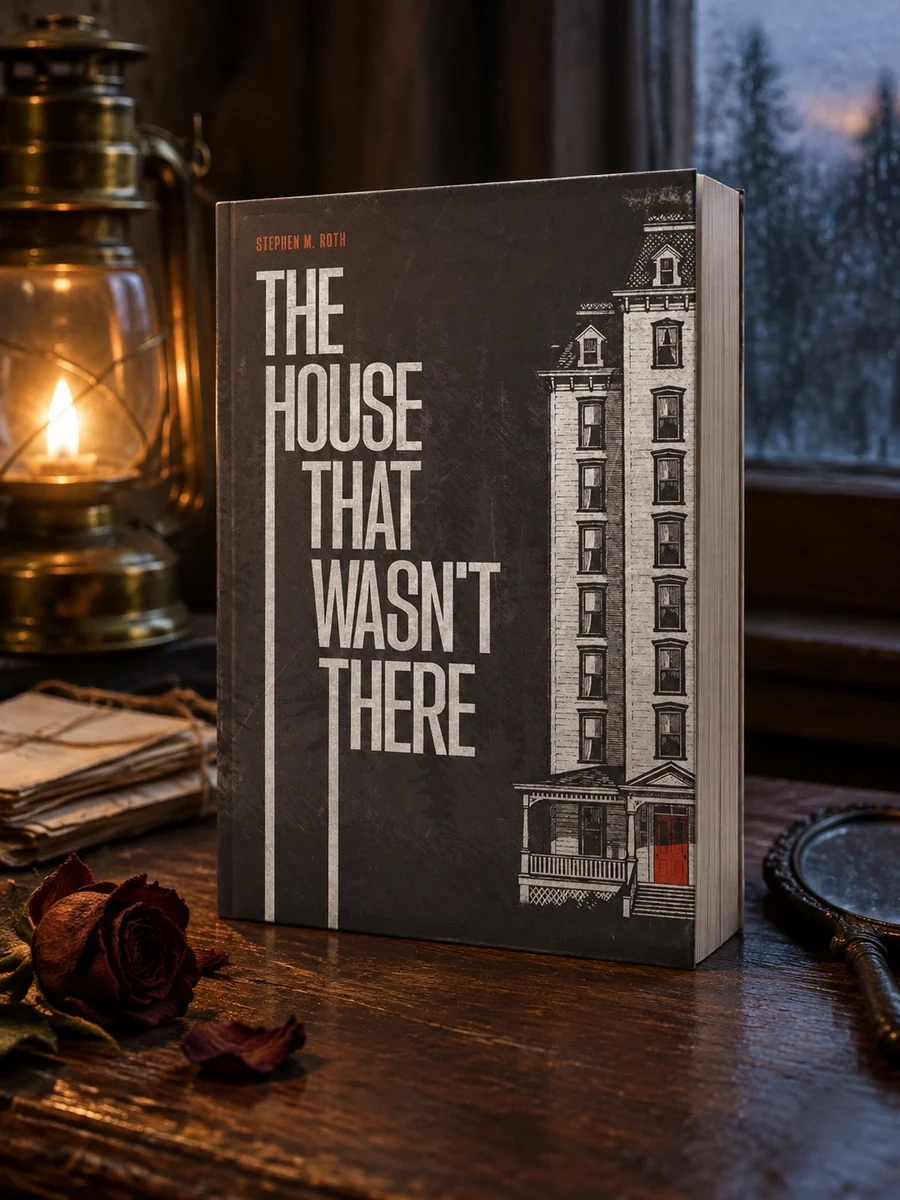
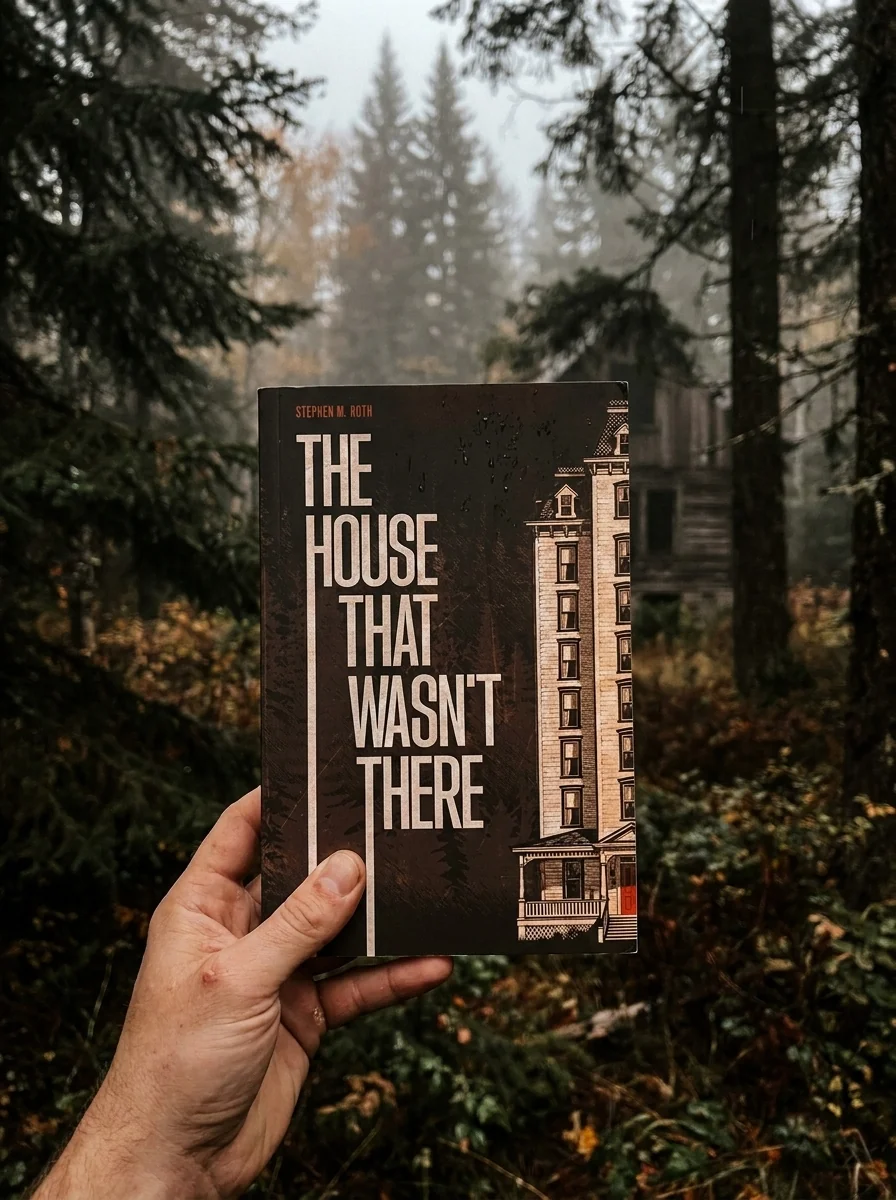
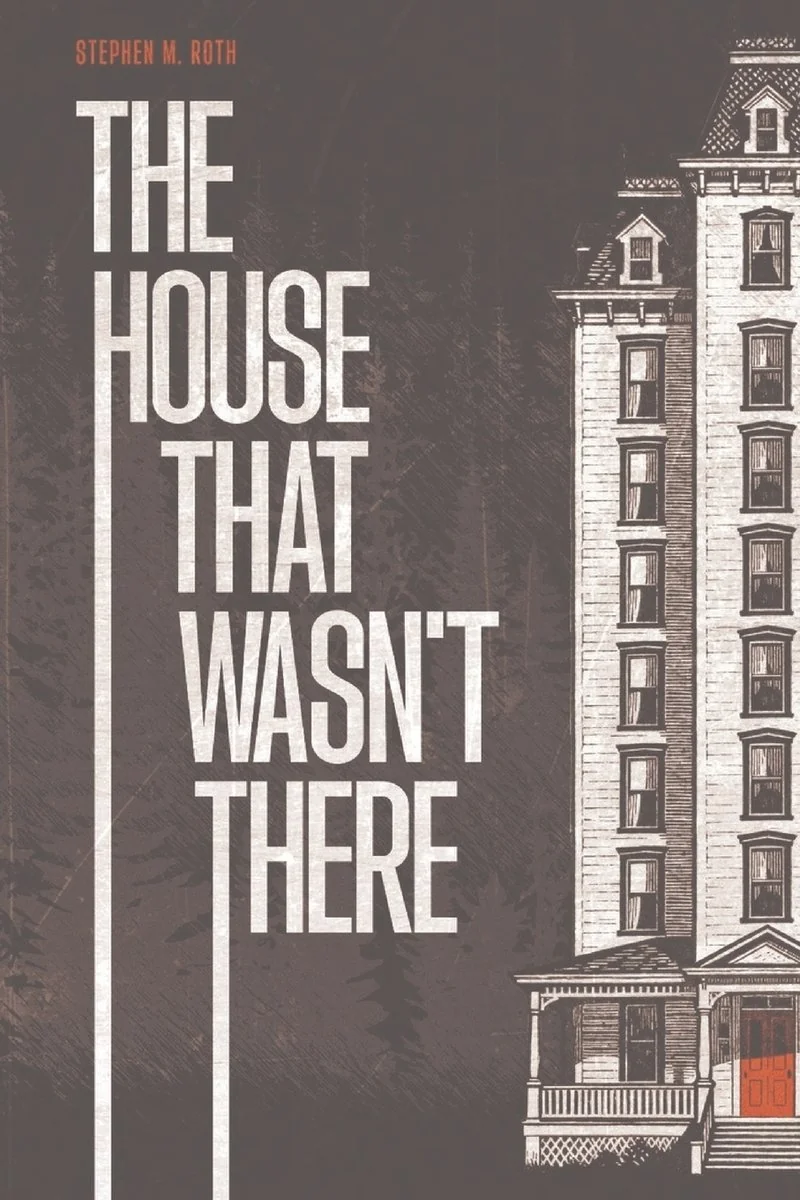
Stephen M Roth presents a tale where architecture becomes a weapon against the soul. Conner, a residential construction worker, spots a house appearing in the woods without any visible construction activity. His professional knowledge confirms it is real, yet its origin is impossible. The structure beckons him inside, where it reveals his deepest regrets. It forces him to relive pivotal moments that destroyed his life. Roth uses the setting to explore guilt and inescapable consequences. The narrative does not offer redemption or a way out. Instead, it focuses on the psychological weight of memory and the horror of being trapped with one’s own failures. The story relies on atmospheric dread rather than jump scares.
This 2025 release from Macabre Factory fits within contemporary American supernatural horror. It draws on gothic traditions of the haunted house trope. The author Stephen M Roth brings experience from Reel Ghosts to this exploration of psychological terror and architectural dread.


📝 Description: The House That Wasn't There
💎 Our verdict on The House That Wasn't There
📖 Why choose it
Why this book is worth reading
Readers who appreciate slow-burn supernatural fiction rooted in character trauma will find this narrative compelling. It offers a deep dive into the psychological weight of memory and the horror of being trapped with one's own failures. The book is ideal for those who enjoy atmospheric dread over jump scares, as it focuses on Conner’s internal collapse within a static, oppressive setting. It suits audiences seeking a story about guilt and inescapable consequences without offering redemption or easy resolutions.
⭐ Reader reviews
Reader rating
Stephen M Roth crafts an intense study of guilt where architecture becomes a weapon against the soul. The narrative excels in building isolation and inevitable dread, forcing the protagonist to relive pivotal moments that destroyed his life. By denying any escape or clear resolution, Roth emphasizes the permanence of punishment. This approach suits readers who prefer atmospheric horror and character-driven terror over fast-paced action. The focus remains tightly on psychological collapse, making it a potent, if unsettling, exploration of regret for those willing to endure its oppressive tone.
You might also like
See more →







Have a question about this item?
Ask about the edition, condition, delivery or anything else — we reply by email or phone, usually within a day.
