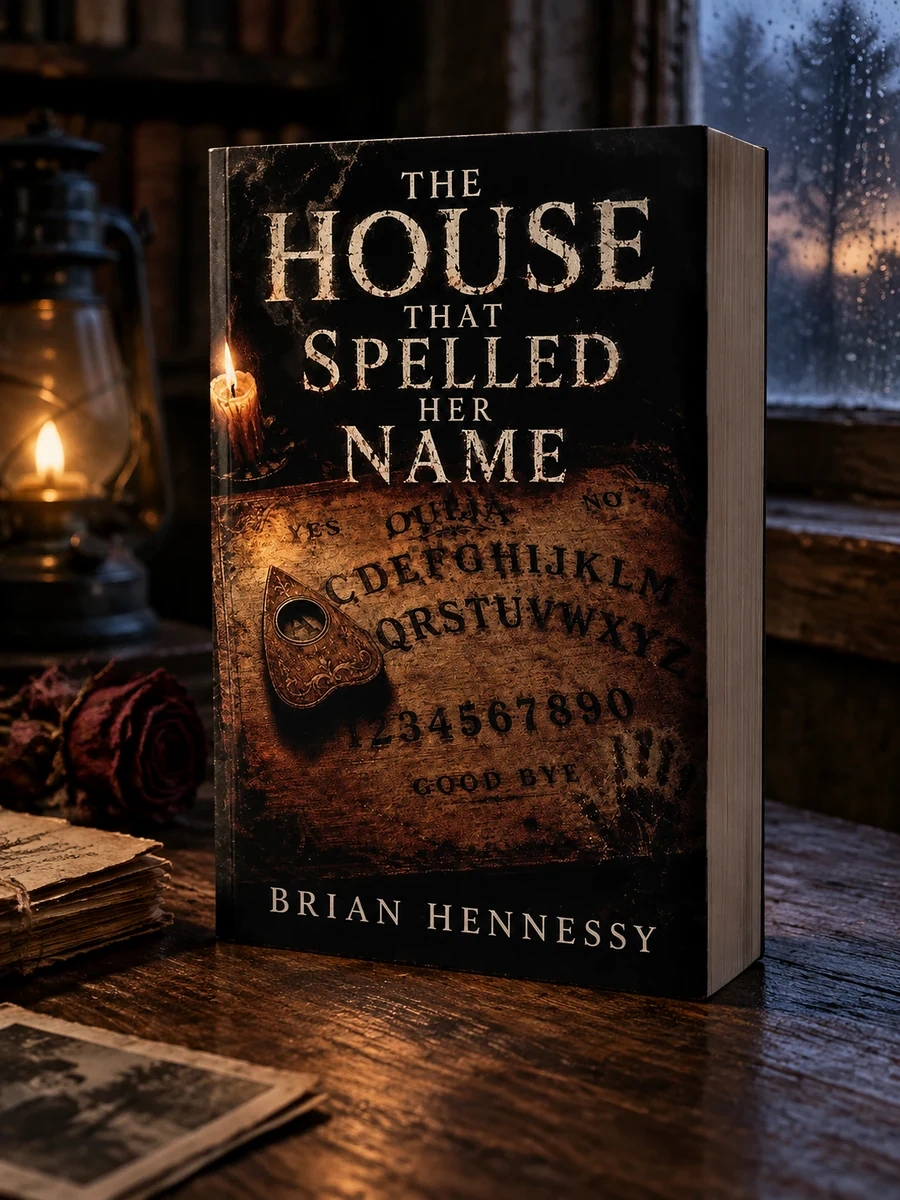
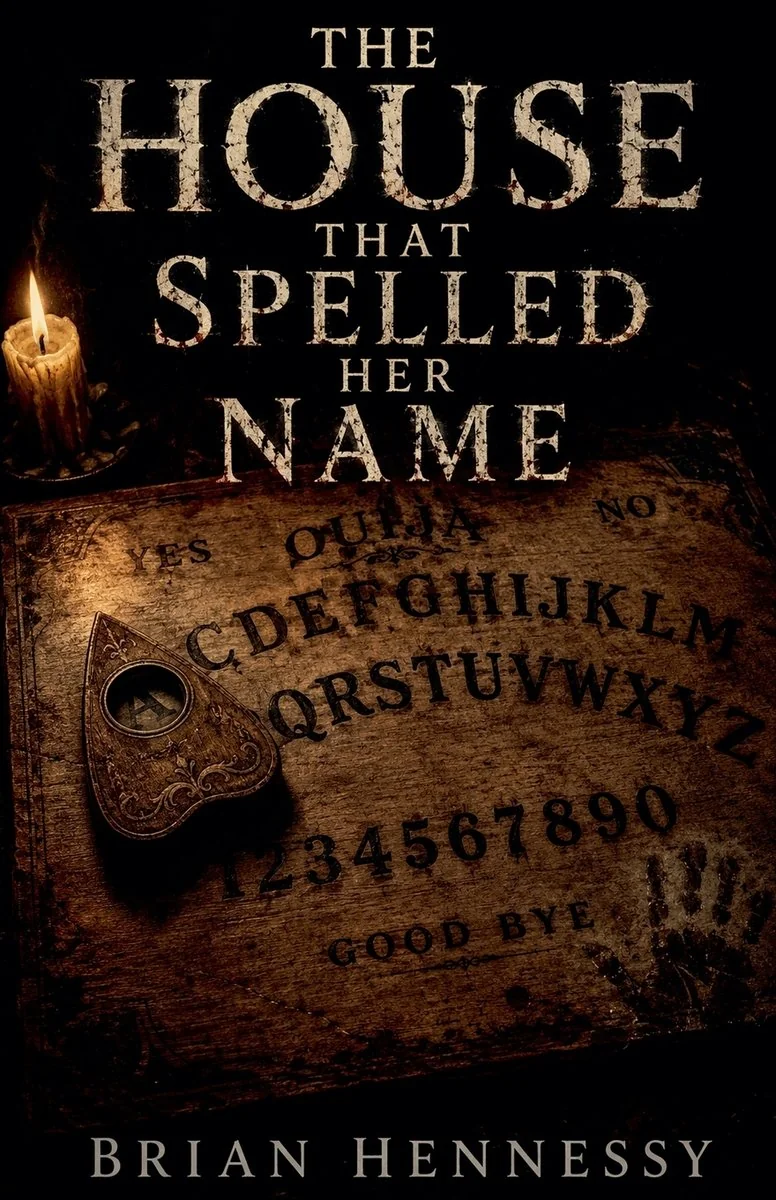
The House That Spelled Her Name
A standalone gothic horror novel focusing on slow-burn dread and isolation.
Hennessy crafts a narrative that rejects elaborate plots in favor of sustained psychological pressure. The story immerses readers in a world where isolation and fear are the primary drivers of the experience. By keeping the focus on mood, the author creates a chilling atmosphere that lingers long after the final page. This method appeals to those who prefer their horror to be subtle and pervasive rather than loud or chaotic. The absence of series continuity allows new readers to engage with the text immediately. It is a pure horror story designed to generate suspense through prose alone.
Published in 2026, this paperback joins the modern landscape of gothic and supernatural fiction. It continues the tradition of exploring the human psyche through horror. The work offers a focused entry into the genre for American readers seeking atmospheric tension without complex series commitments.


📝 Description: The House That Spelled Her Name
💎 Our verdict on The House That Spelled Her Name
📖 Why choose it
Why this book is worth reading
Readers who crave atmospheric immersion over plot-driven excitement will find this novel essential. It is designed for those who appreciate the subtle, pervasive nature of fear that lingers long after reading. The book offers a pure horror experience focused on mood and psychological unease rather than flashy twists. Those seeking a standalone entry into gothic traditions without series continuity requirements will benefit from its accessible yet intense narrative. It appeals to fans of slow-burn terror who value prose that generates suspense through isolation and dread. This title is ideal for individuals who prefer their horror to be chilling and sustained rather than chaotic or loud.
⭐ Reader reviews
Reader rating
Hennessy delivers a masterclass in atmospheric tension, prioritizing psychological pressure over elaborate storytelling. The narrative successfully crafts a chilling atmosphere of isolation, appealing directly to fans of gothic fiction who value mood above mechanics. By rejecting flashy twists, the author creates a sustained sense of dread that feels authentic and immersive. This approach suits readers seeking subtle, pervasive horror rather than loud chaos. The prose focuses intensely on fear, making it a compelling choice for those who enjoy slow-burn terror. It stands as a focused entry point for enthusiasts of psychological unease, offering a pure, undistracted experience that lingers in the mind through its careful construction of suspense and isolation.
You might also like
See more →







Have a question about this item?
Ask about the edition, condition, delivery or anything else — we reply by email or phone, usually within a day.
