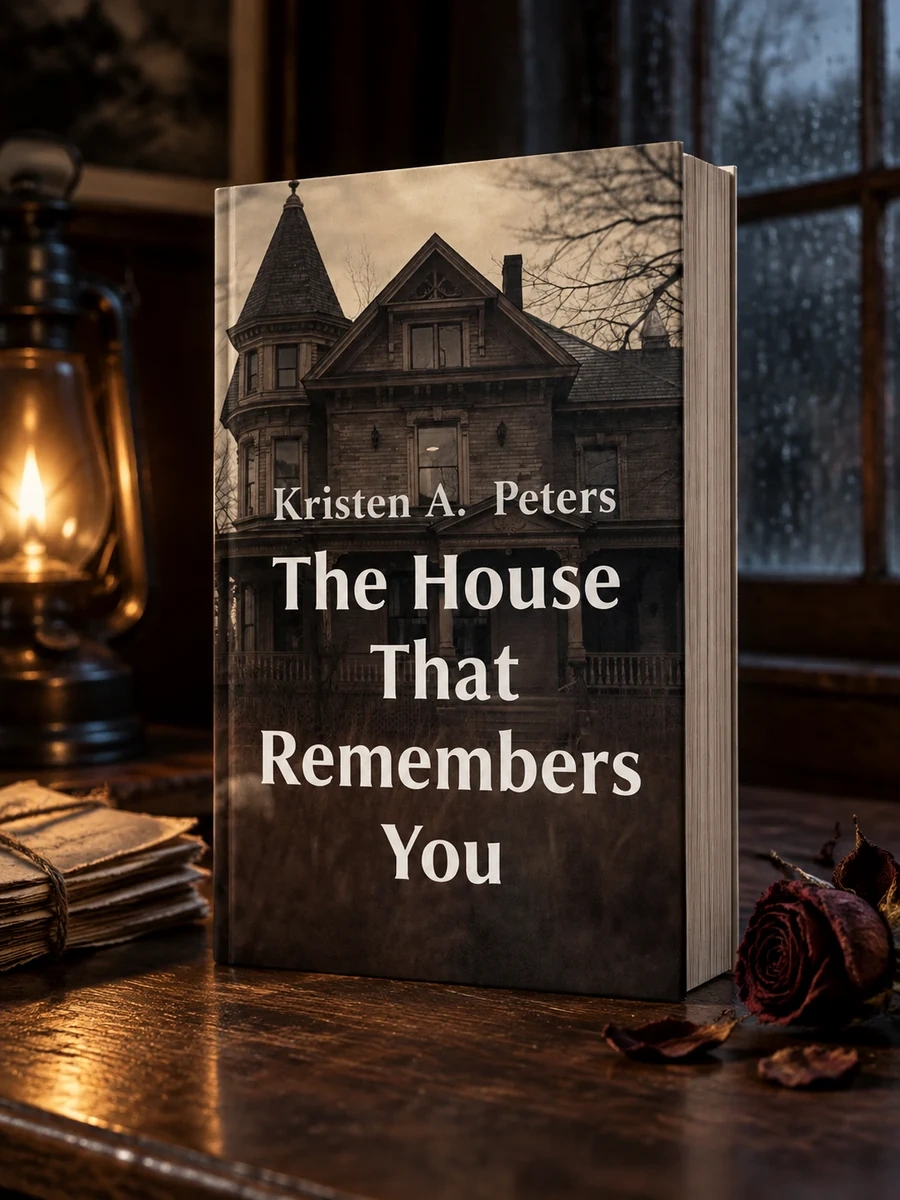
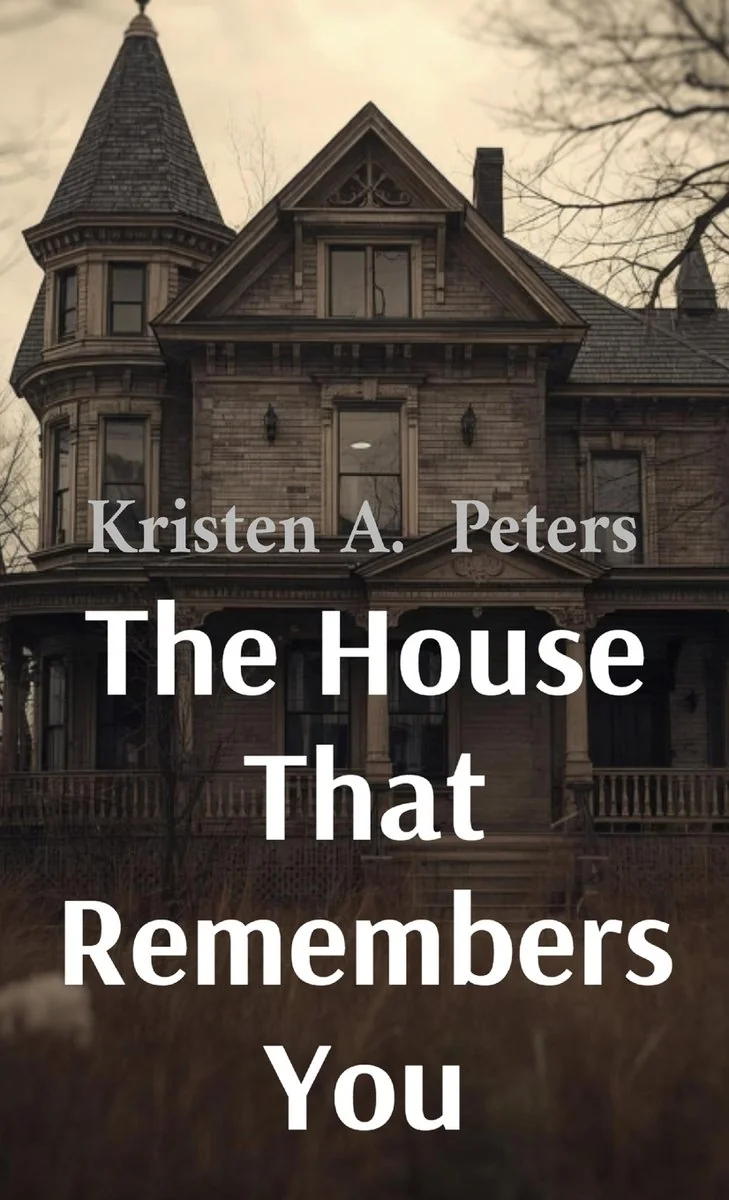
The House That Remembers You
A woman returns to her childhood home, uncovering dark memories and a house that seems to remember her.
This novel looks at how trauma can be stored in physical locations. Peters suggests that memory keeps and changes reality. Annette must face her avoided history, using records and renovation details as guides. The story structure reflects time breaking down, with familiar spots becoming slightly off. Miller changes from a historian to someone controlling, mixing documentation with power. The Blackwood Lane house acts as an active force in Annette’s past. It does not want forgiveness or clarity but demands acknowledgment. This method builds a lasting unease that stays with the reader.
The House That Remembers You sits within the tradition of psychological horror and gothic fiction. It draws on themes of domestic dread and supernatural intrusion, focusing on the interior landscape of the mind rather than external threats. The narrative reflects contemporary anxieties about memory, identity, and the persistence of the past in modern life.


📝 Description: The House That Remembers You
💎 Our verdict on The House That Remembers You
📖 Why choose it
Why this book is worth reading
Readers seeking atmospheric dread over visceral shock will find value in this exploration of trauma's physical toll. It appeals to those interested in how environments retain emotional weight and distort reality. Fans of slow-burn tension who appreciate the deconstruction of memory and identity will engage deeply with the narrative's psychological layers. It is ideal for individuals who prefer horror that lingers through unease rather than immediate fear, offering a meditation on the cost of suppressed history and the power dynamics inherent in observation and documentation.
⭐ Reader reviews
Reader rating
Peters delivers a masterclass in subtle horror, where the house acts as an active participant in Annette’s past. The narrative effectively blurs the line between memory and reality, creating a suffocating sense of disorientation. Miller’s role as a controlling historian adds a chilling layer of power imbalance. While the slow pace may deter those seeking traditional monsters or jump scares, it perfectly serves the theme of lingering dread. The book succeeds by focusing on quiet fear and mental tension, leaving a lasting impression of being watched by something that never forgets. It is a compelling study of trauma stored in physical spaces.
You might also like
See more →






Have a question about this item?
Ask about the edition, condition, delivery or anything else — we reply by email or phone, usually within a day.
