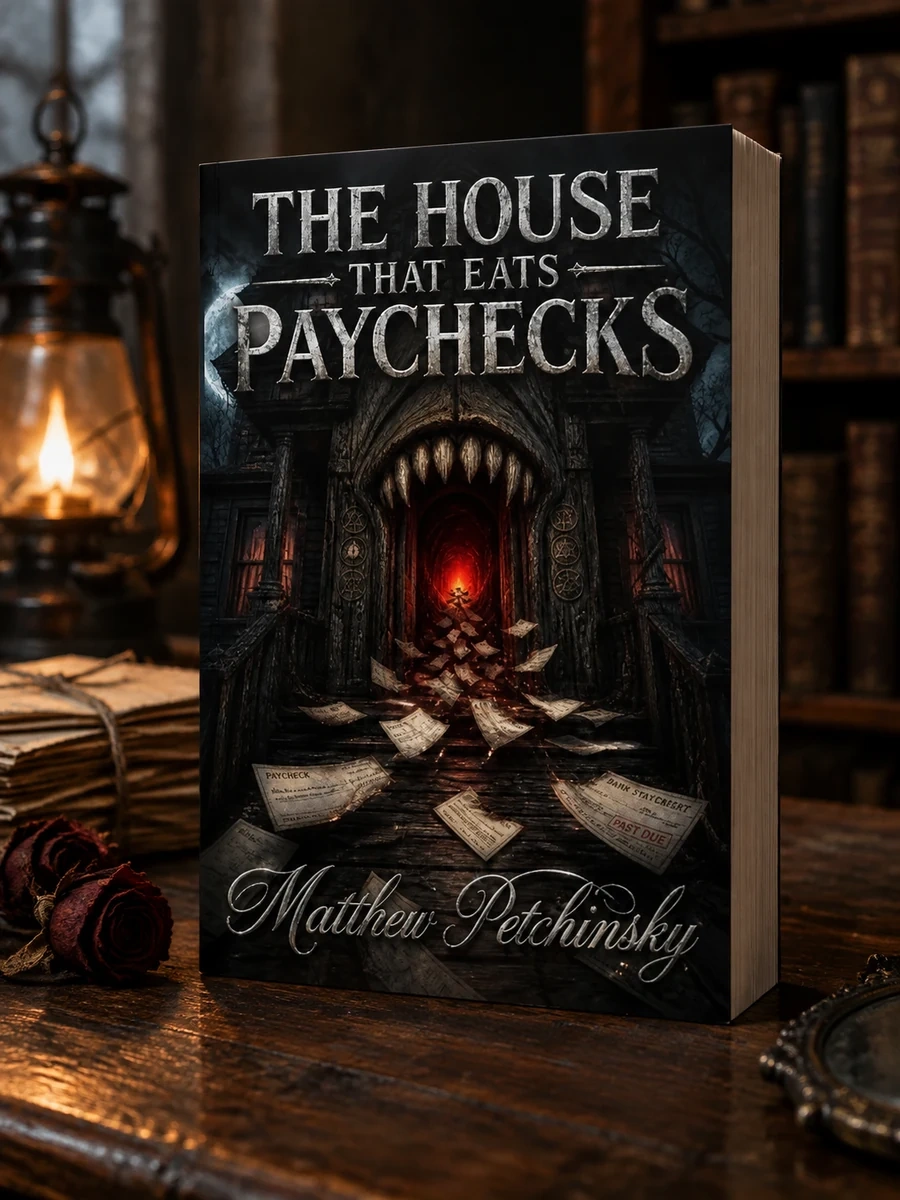
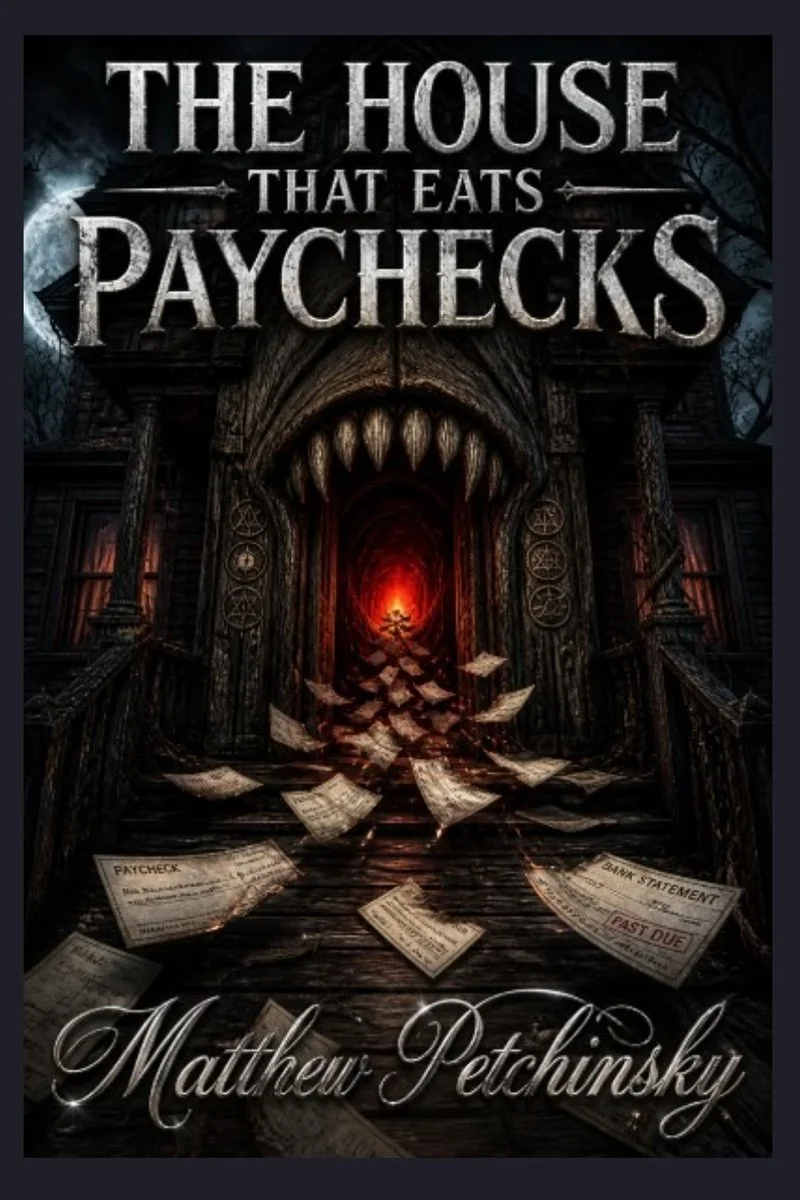
The House That Eats Paychecks
A novel where a house consumes identity through unpayable debt.
Petchinsky crafts a narrative where financial stress becomes a physical threat. Mara Veyne’s new home actively drains her resources and selfhood. The text presents horror as a transactional process rather than a random haunting. Readers encounter a protagonist fighting to hold onto her remaining identity. The house operates with deliberate intent, collecting time and memory alongside money. This approach frames economic anxiety as a visceral monster. The story avoids conventional scares in favor of slow erosion. It focuses on the psychological toll of financial loss. The narrative structure supports this theme by showing gradual decline. Petchinsky does not offer easy escapes or happy endings. The horror lies in the inevitability of the cost.
This 2026 release from Apophis Enterprises LLC sits within contemporary American horror. It reflects current anxieties about economic instability and housing insecurity. The novel uses modern financial mechanisms as sources of supernatural fear.


📝 Description: The House That Eats Paychecks
💎 Our verdict on The House That Eats Paychecks
📖 Why choose it
Why this book is worth reading
Readers seeking a visceral exploration of financial dread will find this novel deeply resonant. It appeals to those who appreciate horror that critiques economic systems rather than relying on traditional monsters. The book offers a unique perspective on how debt erodes identity, making it suitable for audiences interested in psychological tension and dark fantasy. It is ideal for fans of slow-burn narratives that prioritize atmosphere and thematic depth over jump scares. This title serves readers who enjoy literature that blurs the line between realistic stress and supernatural terror.
⭐ Reader reviews
Reader rating
Petchinsky effectively merges financial anxiety with supernatural horror, creating a chilling narrative where debt becomes a physical entity. The prose captures the slow erosion of selfhood, turning survival into a terrifying transaction. The house acts as an active antagonist, demanding impossible prices for existence. This approach suits readers who prefer psychological tension over gore. It is particularly strong in its depiction of economic dread, making it a compelling choice for those interested in dark fantasy and cosmic horror elements that reflect modern societal fears.
📖 Read on the blog
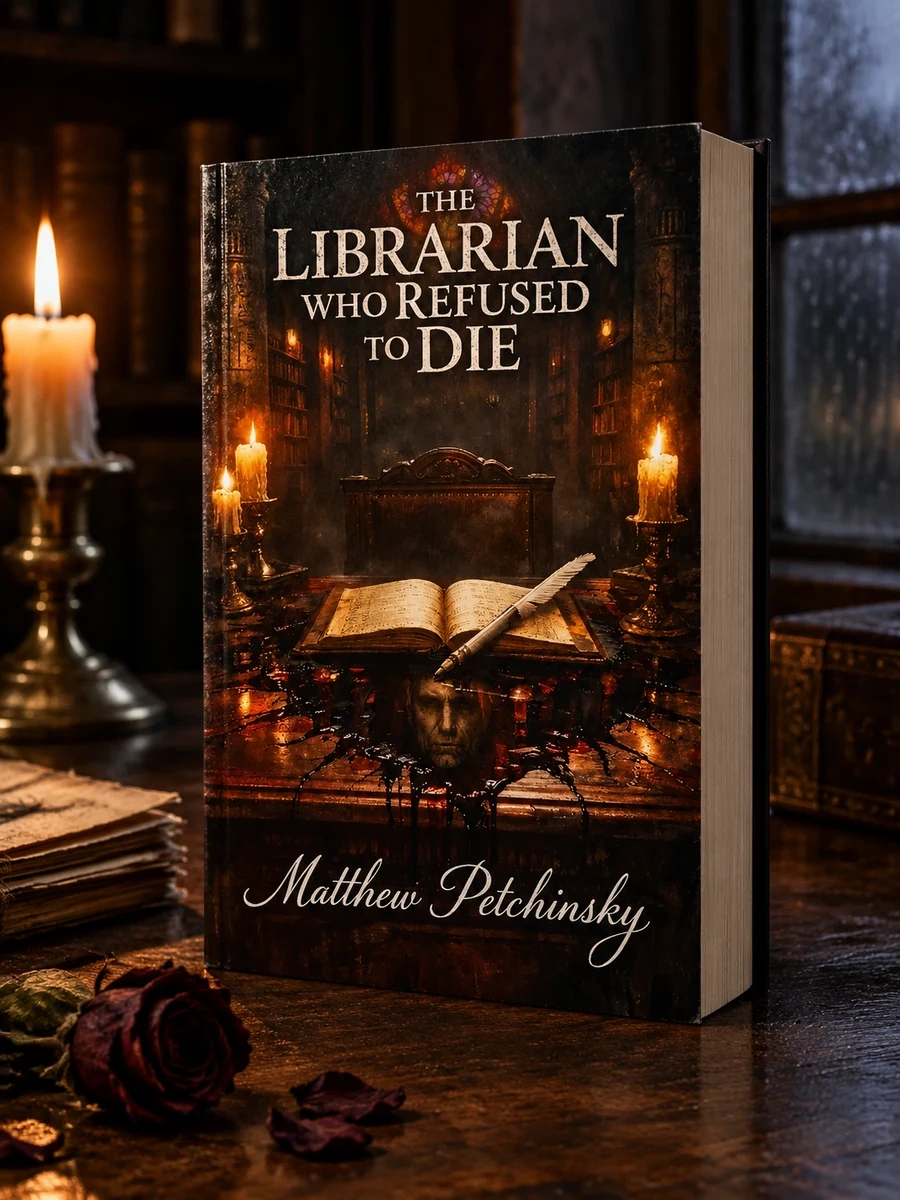
✍️ More books by this author Matthew Petchinsky


🏛 Books from this publisher Apophis Enterprises LLC



You might also like
See more →
Have a question about this item?
Ask about the edition, condition, delivery or anything else — we reply by email or phone, usually within a day.
