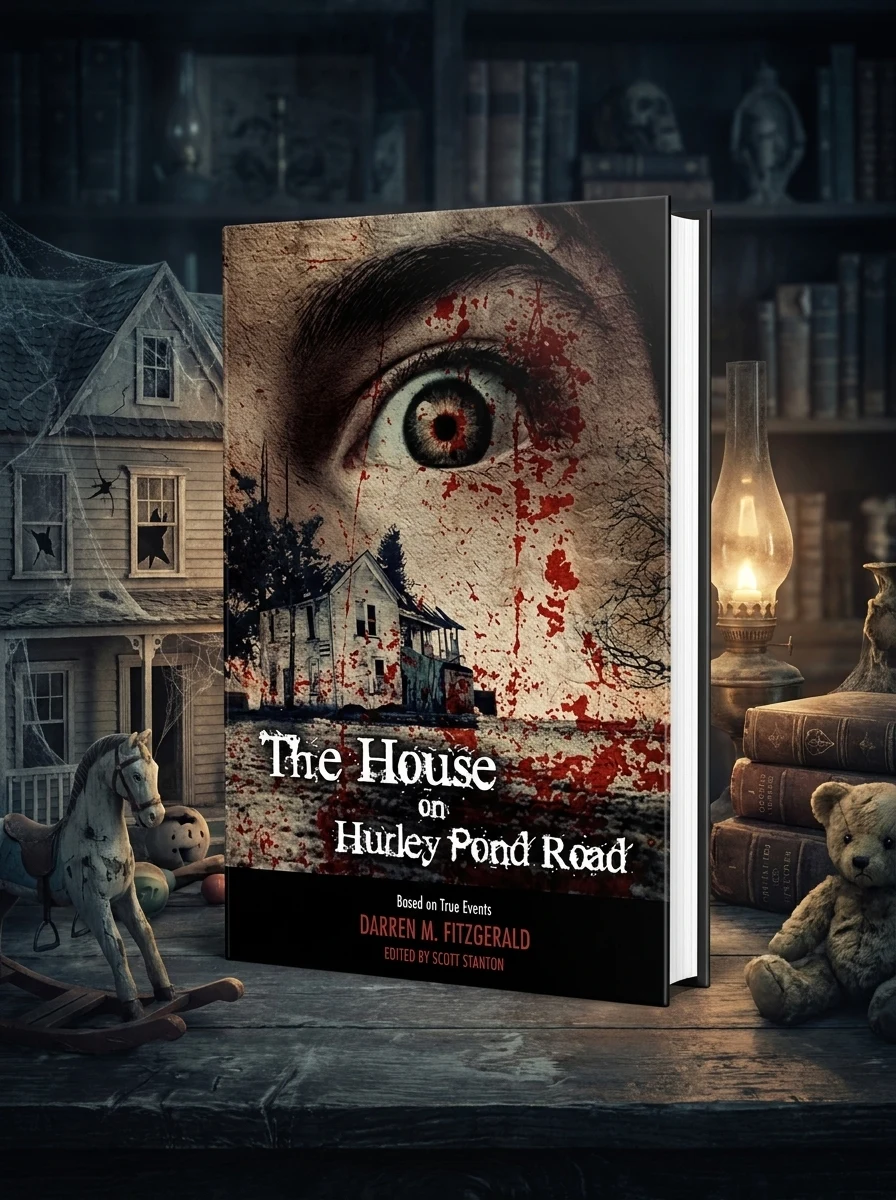
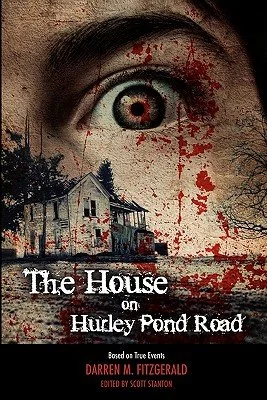
The House on Hurley Pond Road
A memoir of an eight-year nightmare at a haunted seaside home.
The text recounts the Fitzgerald family's move into a stately home in a quiet seaside town. What began as a delight for raising two young children turned into a sorrowful ordeal. The residence became a site of death and suicide, impacting every previous occupant. Burke uses his family's experience to illustrate how a dream home can become a living nightmare. The story follows Patricia and Barry through eight years of distress. It highlights the transition from childhood wonder to adult fear. The narrative relies on personal memory rather than external research. It offers a close-up view of domestic life disrupted by supernatural forces. The focus remains on the emotional toll of living in such a place.
This work sits within the tradition of American true horror and gothic fiction. It reflects the late twentieth-century interest in haunted house narratives. The 2009 publication date places it in a period where personal memoirs of supernatural events gained traction. The setting in a sleepy seaside town adds to the gothic atmosphere.


📝 Description: The House on Hurley Pond Road
💎 Our verdict on The House on Hurley Pond Road
📖 Why choose it
Why this book is worth reading
Readers seeking genuine, grounded supernatural experiences will find this memoir compelling. It appeals to those interested in the psychological toll of living in a reputedly haunted location, offering a stark contrast between initial domestic joy and subsequent despair. The book is ideal for fans of true crime-adjacent horror who prefer personal recollection over sensationalism. It provides an intimate look at how a dream home can become a site of tragedy, focusing on the Fitzgerald family's eight-year ordeal. Those who value authentic narratives about the intersection of family life and supernatural disturbance will appreciate its unvarnished perspective on enduring a living nightmare.
⭐ Reader reviews
Reader rating
Burke delivers a poignant account of domestic life disrupted by unseen forces, maintaining a tone of sorrowful reflection rather than horror spectacle. The narrative effectively traces the shift from childhood wonder to adult fear, emphasizing the emotional weight of prolonged supernatural distress. By focusing on personal memory rather than external research, the author creates an intimate portrait of a family's decline. This approach suits readers who appreciate the gothic tradition of haunted houses affecting multiple generations. It is particularly recommended for those interested in the realistic portrayal of psychological horror within a domestic setting, avoiding sensationalism to highlight the enduring impact of the location on its inhabitants.
You might also like
See more →







Have a question about this item?
Ask about the edition, condition, delivery or anything else — we reply by email or phone, usually within a day.
