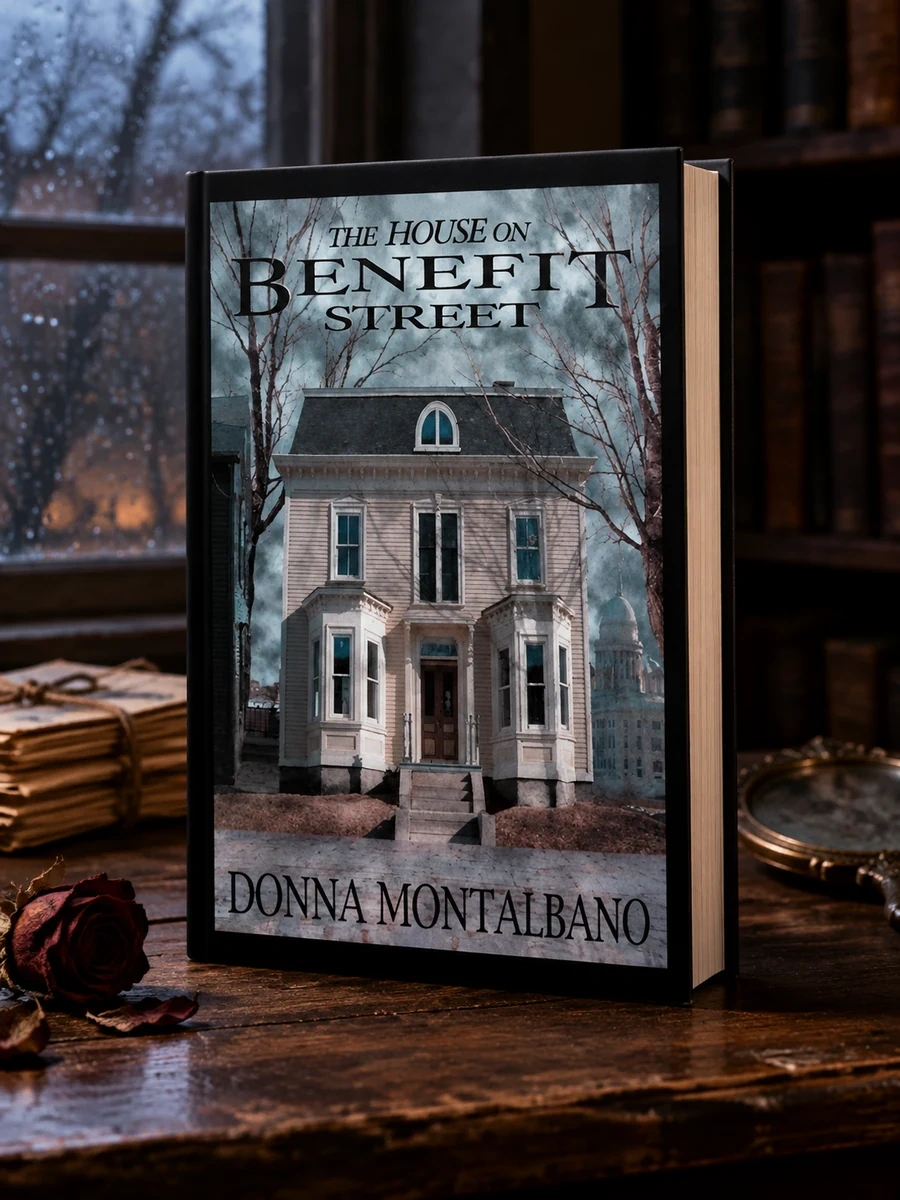

The House on Benefit Street
A widow faces supernatural disturbances in a historic Rhode Island home after her husband dies.
Angie Russo moves into a historic Providence house to rebuild her life after losing her spouse. The residence on Benefit Street refuses to let her rest. She encounters apparitions of her dead husband and hears mysterious voices that suggest the presence of other entities. The narrative explores whether these events stem from a lost boy or Angie’s own unresolved past. Montalbano uses the physical space of the house, including its attic and cellar, to mirror the protagonist's internal state. The story relies on atmospheric dread rather than explicit violence. Readers interested in how grief manifests as haunting will find this tale compelling. Those preferring clear resolutions may find the ambiguity frustrating.
The narrative is set in Providence, Rhode Island, specifically on Benefit Street. The setting provides a historic American backdrop for the supernatural events. The story reflects early twenty-first century publishing trends in independent horror fiction by focusing on regional gothic elements and personal trauma.


📝 Description: The House on Benefit Street
💎 Our verdict on The House on Benefit Street
📖 Why choose it
Why this book is worth reading
Readers interested in how grief manifests as haunting will find this tale compelling. It suits those who appreciate character-driven tales of domestic horror and psychological tension rooted in specific American history. The narrative focuses on the protagonist's internal struggle, using the physical space of the house to mirror her unresolved past. Those preferring atmospheric dread over explicit violence will enjoy the exploration of isolation and memory. However, readers seeking clear resolutions may find the ambiguity frustrating. It is ideal for those who value subtle fear stemming from the blurring line between grief and supernatural intrusion.
⭐ Reader reviews
Reader rating
Montalbano effectively utilizes the historic setting of Benefit Street to create a palpable sense of unease. The house acts as a character, hiding secrets from attic to cellar while resisting the protagonist's attempts at normalcy. By focusing on creaking stairs and rattling windows, the author signals deeper disturbances without relying on jump scares. This approach appeals to fans of atmospheric dread and psychological horror. The narrative successfully blurs the line between grief and supernatural intrusion, offering a nuanced look at loss. While the ambiguity may frustrate some, it enhances the thematic depth for those who enjoy slow-burn tension and character-driven plots within the American Gothic tradition.
📖 Read on the blog
✍️ More books by this author Donna Montalbano
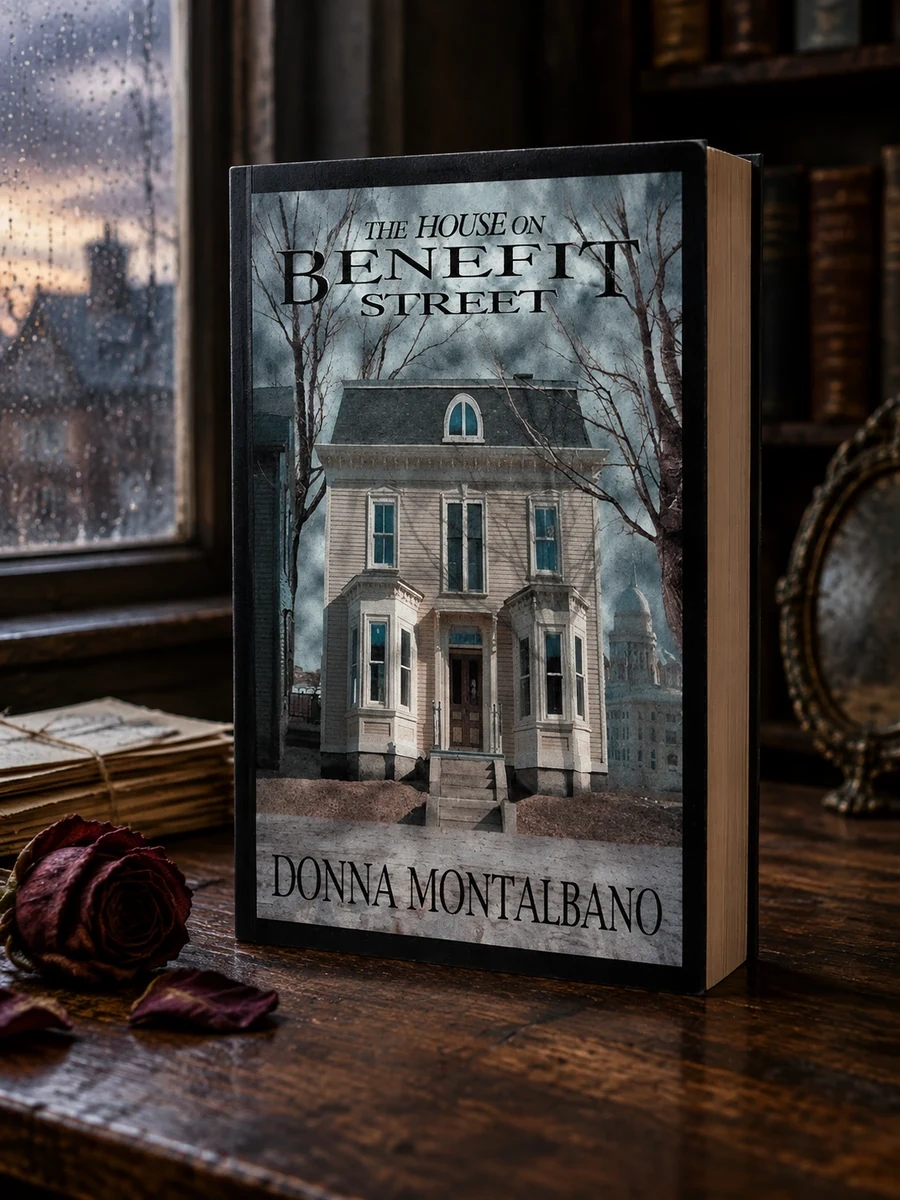


🏛 Books from this publisher iUniverse




You might also like
See more →



Have a question about this item?
Ask about the edition, condition, delivery or anything else — we reply by email or phone, usually within a day.
