Crossroads
A psychological horror novel about a man hunted by a supernatural figure at a crossroads.
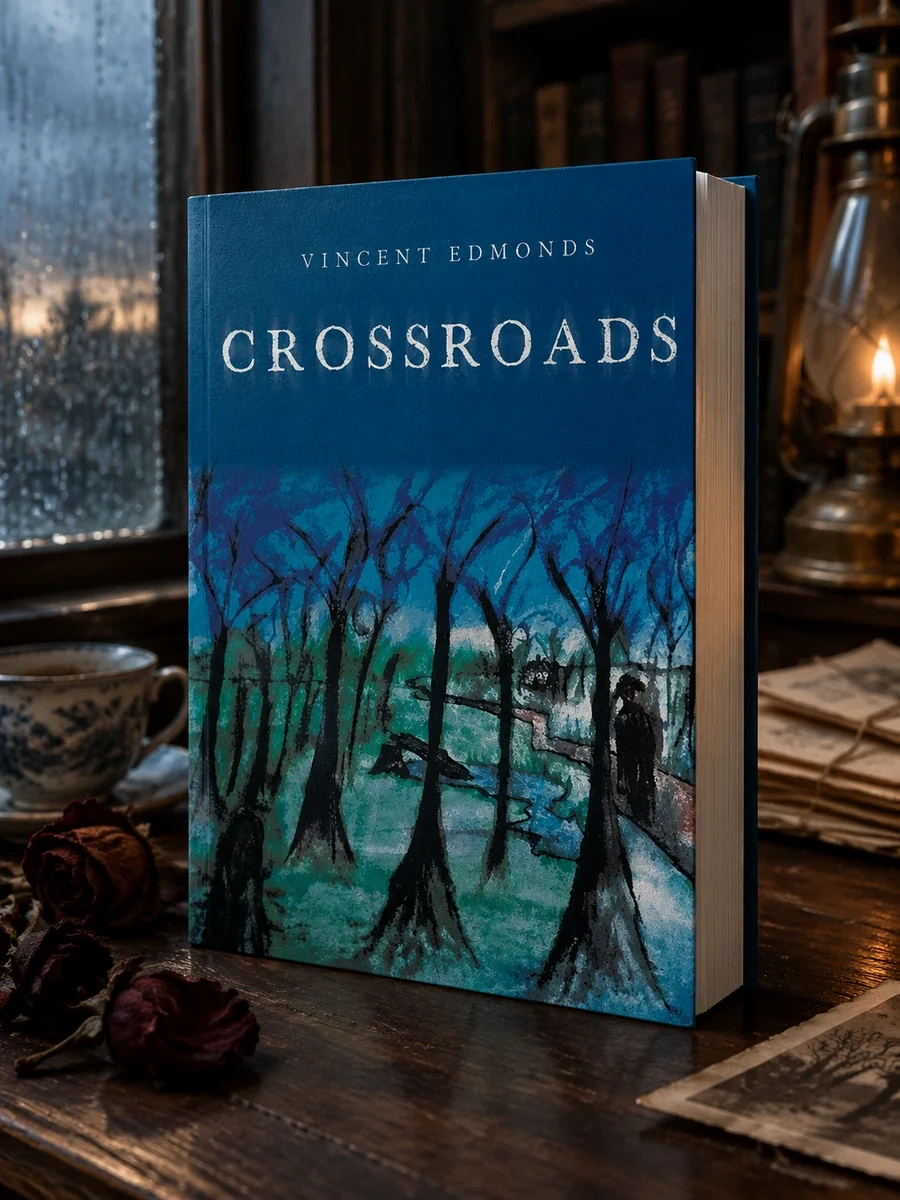
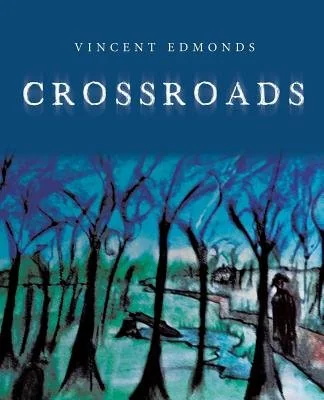
The narrative follows Leroy Blackman as he attempts to evade capture while confronting the truth of his actions. The Man in Black acts as an inevitable judge, appearing where all men sojourn. Leroy cannot trust his mind or his family, creating a claustrophobic environment of paranoia. The story relies on the tension between memory loss and sudden, horrifying revelations. Edmonds constructs a tale where the external chase mirrors an internal breakdown. The crossroads symbolizes the point of no return for spiritual damnation. Readers will find the protagonist’s isolation palpable as he realizes that no physical distance can separate him from his pursuer. The ending offers no relief, only the certainty of confrontation.
Published in 2017 by iUniverse, this work fits within the contemporary American horror genre. It utilizes classic gothic tropes of the crossroads and supernatural judgment. The text explores themes of guilt and paranoia prevalent in modern psychological fiction.


📝 Description: Crossroads
💎 Our verdict on Crossroads
📖 Why choose it
Why this book is worth reading
Readers seeking a claustrophobic exploration of paranoia and internal collapse will find this novel compelling. It appeals to those who enjoy slow-burn psychological terror where the external chase mirrors an inevitable mental breakdown. The book is ideal for fans of ambiguous morality and gothic themes, particularly the doppelganger motif and the futility of escaping one's past. Those who prefer atmospheric dread over fast-paced action or clear resolutions will appreciate the heavy focus on the protagonist’s deteriorating state. It offers a palpable sense of isolation for anyone interested in how supernatural threats can represent internal guilt and spiritual damnation, providing a tense, unrelenting experience without offering easy relief.
⭐ Reader reviews
Reader rating
Edmonds constructs a tightly focused narrative where physical flight proves futile against an omniscient pursuer. The blurring of dream and reality creates a suffocating atmosphere that effectively mirrors Leroy Blackman’s mental disintegration. The work excels in maintaining a heavy tone of dread, utilizing the crossroads as a potent symbol for spiritual no-return. It suits readers who value psychological depth and gothic traditions over conventional plot mechanics. While it may frustrate those seeking quick resolutions or high-octane thrills, it rewards patience with a profound study of guilt and isolation.