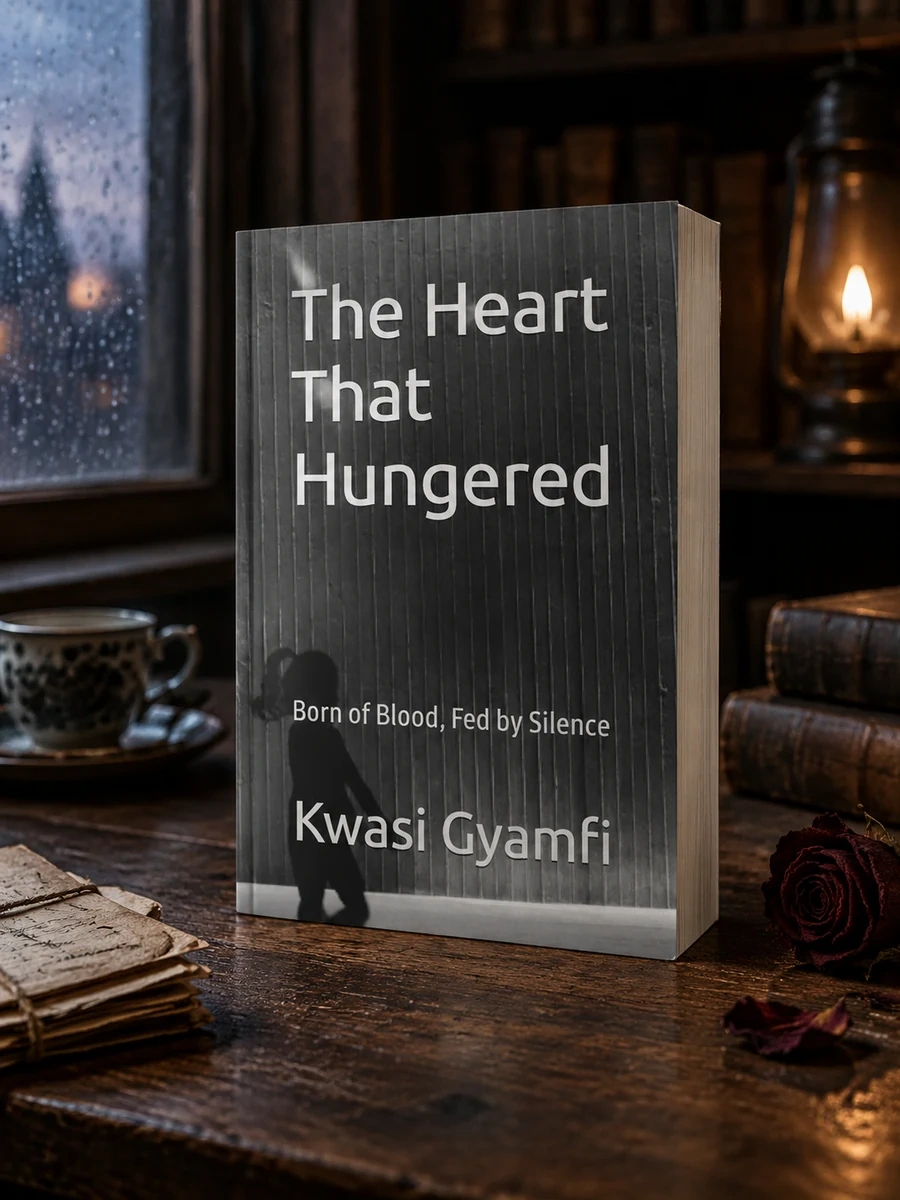
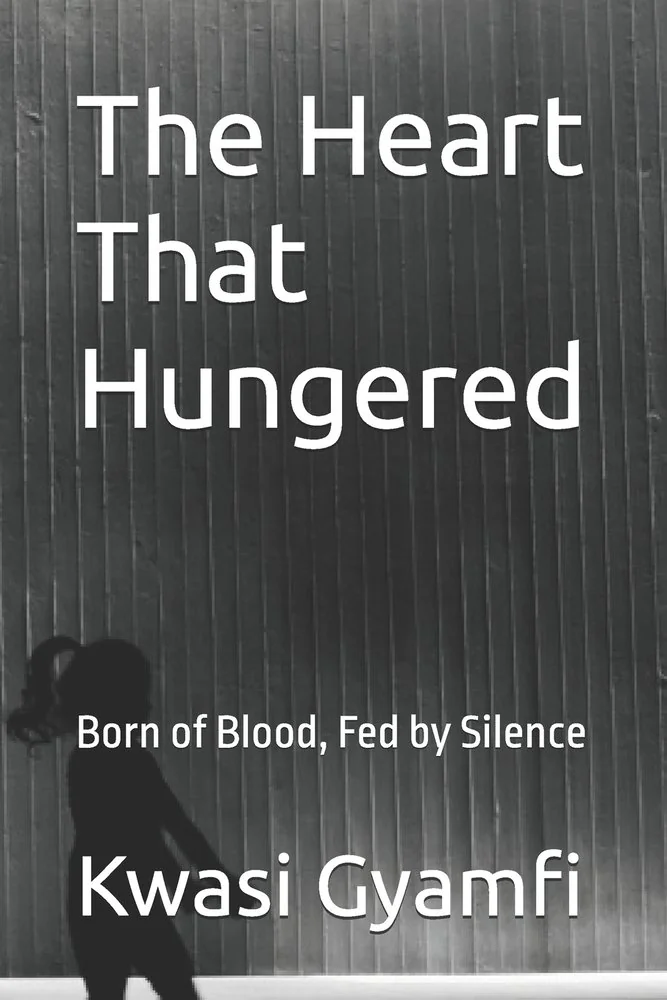
The Heart That Hungered: Born of Blood, Fed by Silence
A cursed boy sustained by hearts returns to a village hiding dark secrets.
The narrative follows Eno, a creature born from a forbidden ritual sacrifice. He wanders between hunger and memory as whispers return to Baha-Nkrah. Sister Nkiru uncovers the truth behind the curse while spiritualists seek the original sacrificial site in a rotting forest. The plot reveals how the land remembers sins that people try to forget. It shows the consequences of denying history through disappearing bodies and silent villages. The story culminates at a drowned shrine where truth waits for a final feeding rather than absolution.
The novel draws on African spiritual traditions and folklore from the village of Baha-Nkrah. It examines the impact of drought-stricken communities and their desperate measures. The story reflects on how oral history and forgotten rituals shape present-day realities for those living in the region.


📝 Description: The Heart That Hungered: Born of Blood, Fed by Silence
💎 Our verdict on The Heart That Hungered: Born of Blood, Fed by Silence
📖 Why choose it
Why this book is worth reading
Readers seeking psychological depth within the horror genre will find this narrative compelling. It appeals to those interested in gothic fiction and supernatural tales that are deeply grounded in specific cultural traditions rather than generic scares. The book is ideal for audiences who appreciate a deliberate pacing that prioritizes the lingering dread of buried truths over fast-paced action. Those who enjoy exploring how history and unspoken sins manifest physically will gain significant satisfaction from this work. It offers a sophisticated look at how silence takes monstrous forms, providing a rich, atmospheric experience for fans of dark fantasy and cosmic horror.
⭐ Reader reviews
Reader rating
Gyamfi Fl delivers a haunting exploration of guilt and consequence through a narrative that refuses to offer easy absolution. The novel excels in its atmospheric construction, using the rotting forest and drowned shrine to symbolize the land’s memory of past sins. By focusing on the weight of history rather than jump scares, it creates a persistent sense of unease suitable for gothic horror enthusiasts. While the deliberate pacing may deter those seeking immediate thrills, it rewards patience with profound thematic resonance. The blend of folklore and modern sensibility results in a distinct voice that avoids cliché. This is a work for readers who value psychological complexity and cultural specificity in their horror fiction.