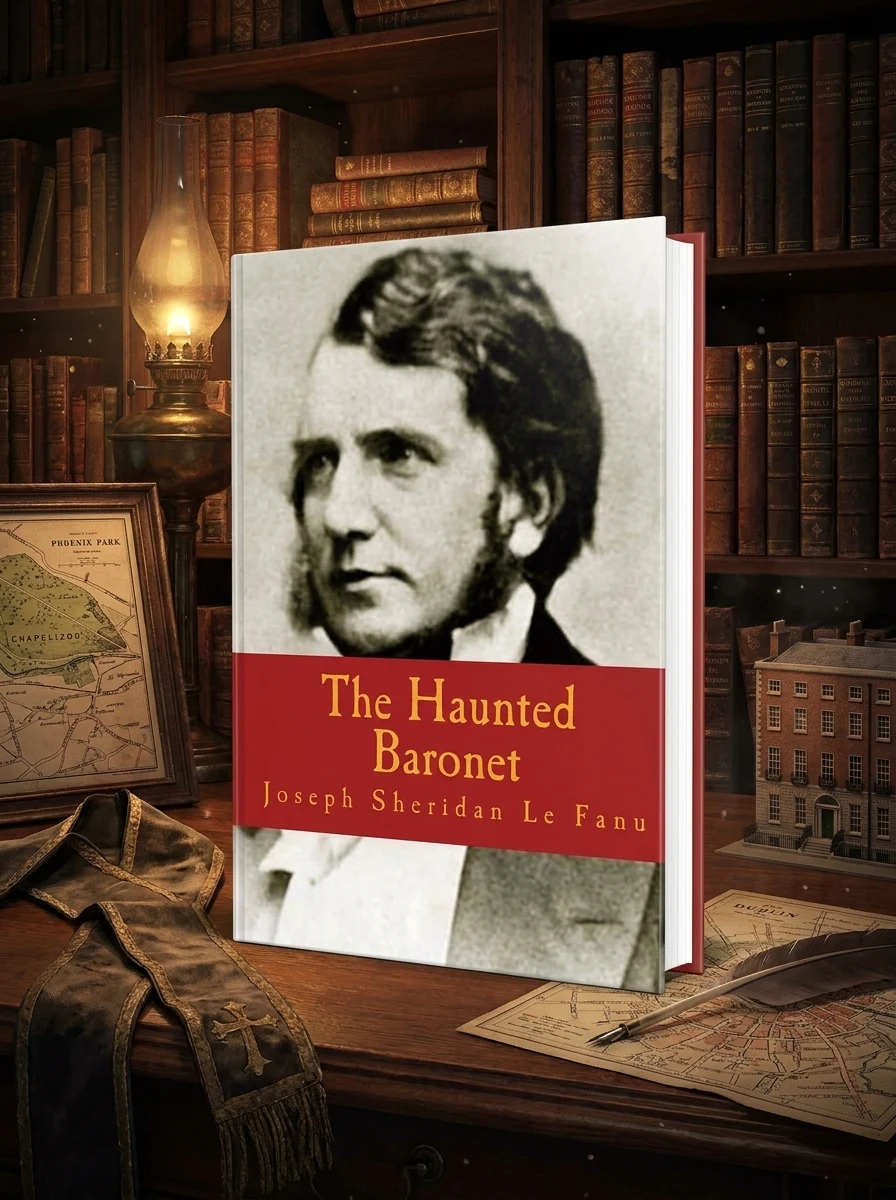
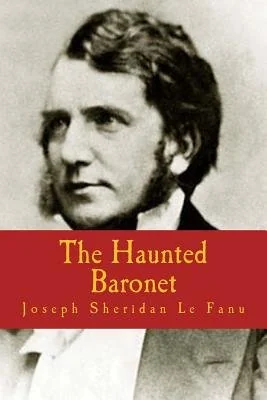
The Haunted Baronet
A collection of ghost stories by Irish author Joseph Sheridan Le Fanu.
Le Fanu began his literary career after abandoning law for journalism. He wrote for the Dublin University Magazine, where he published his first ghost story in 1839. His family connections to theater and literature influenced his work. The book includes tales set in locations familiar to him from his childhood. Phoenix Park and Chapelizod appear in his later stories. This collection offers insight into the origins of Irish supernatural fiction. It highlights his transition from a legal background to a writing career. The stories reflect the cultural atmosphere of Dublin in the 19th century.
Le Fanu was born in Dublin into a literary family with Huguenot roots. He studied at Trinity College and worked as a journalist. His family included playwrights and novelists. He contributed to periodicals in the mid-19th century, shaping Irish gothic literature.


📝 Description: The Haunted Baronet
💎 Our verdict on The Haunted Baronet
📖 Why choose it
Why this book is worth reading
Readers with a deep interest in the origins of Irish supernatural literature will find this volume essential for its historical insight. It offers a unique window into the cultural atmosphere of Dublin in the 19th century, showcasing how personal history influenced Le Fanu's work. Those studying the transition from legal backgrounds to literary careers may appreciate the context provided by his journalistic contributions. The book is ideal for scholars and enthusiasts who value understanding the Gothic traditions that shaped modern horror. It provides valuable context for those analyzing the evolution of the ghost story genre, highlighting Le Fanu’s role in defining its early parameters through tales rooted in familiar Irish landscapes.
⭐ Reader reviews
Reader rating
Le Fanu masterfully weaves his personal history into these ghost stories, creating a distinctively Irish gothic tone that remains influential. The collection effectively highlights the cultural nuances of Dublin, particularly through settings like Phoenix Park and Chapelizod, which ground the supernatural elements in reality. This work excels for readers seeking classic horror rather than modern thrills, offering a bridge between legal precision and literary imagination. It suits those interested in the historical development of the genre and the specific contributions of Irish authors to Gothic fiction. While potentially dated for contemporary thriller fans, it stands as a crucial text for understanding the roots of psychological and supernatural horror in English literature.