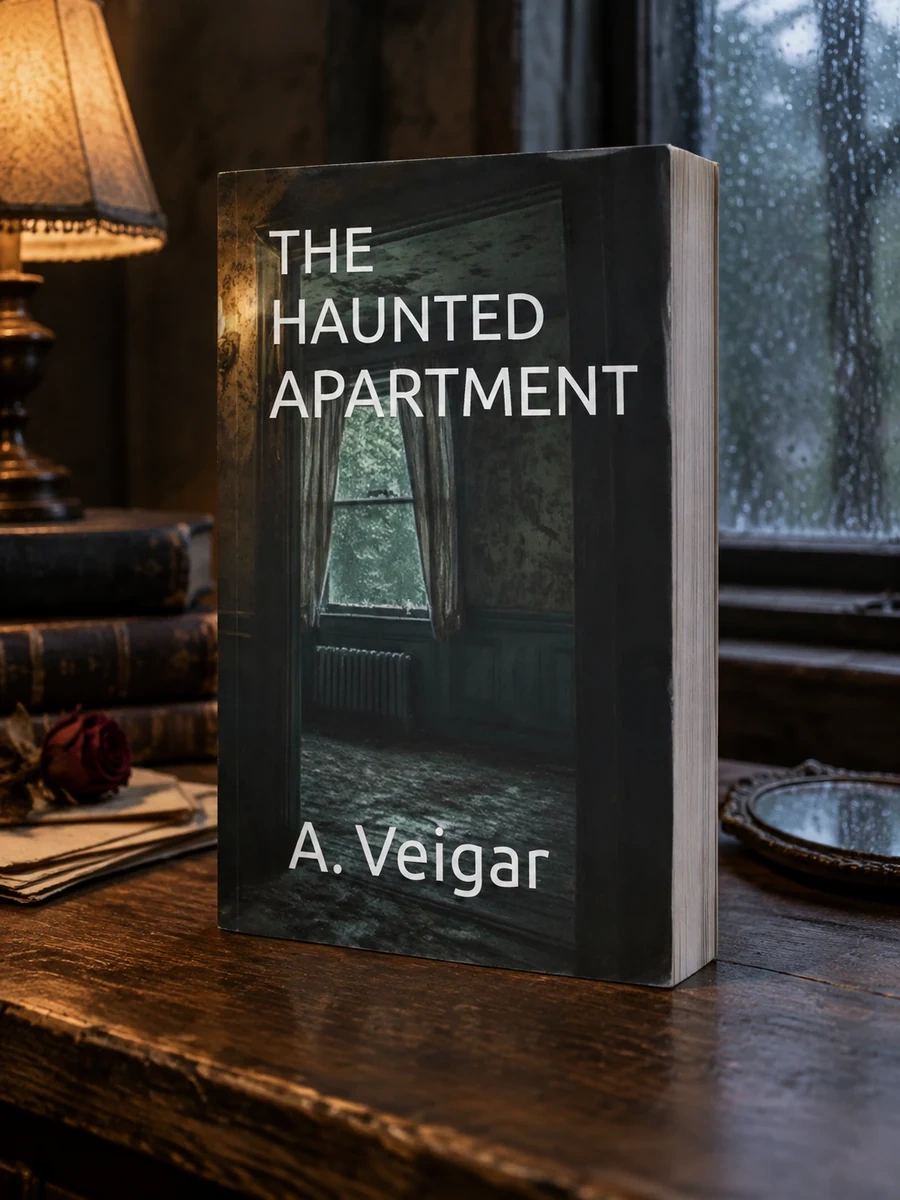
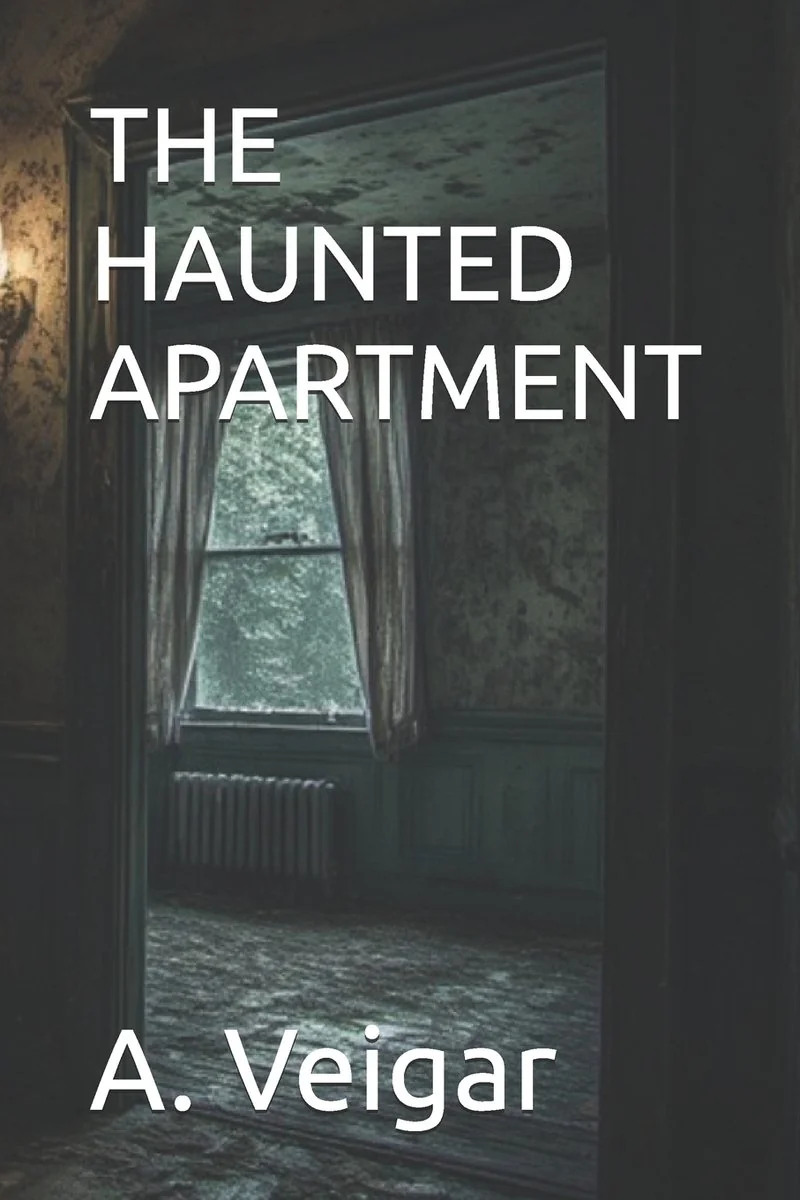
The Haunted Apartment
A family moves into a cheap East German apartment with hidden dark secrets.
The story centers on Lukas, Anna, and their daughter Mia as they purchase a home in former East Germany. The affordability of the property suggests underlying issues that the family initially overlooks. As they establish their routine, the boundaries between their new life and the building's history blur. The narrative explores the psychological toll of living in a space with a heavy past. It does not rely on jump scares but rather on the creeping dread of isolation within one's own home. The plot unfolds through the family's daily interactions with the unsettling environment, highlighting how economic necessity can force people into dangerous situations.
The setting is an old building in former East Germany, reflecting the architectural and social remnants of that period. The story uses this specific historical context to ground the supernatural elements in a tangible reality for American readers unfamiliar with the region's post-reunification housing market.


📝 Description: The Haunted Apartment
💎 Our verdict on The Haunted Apartment
📖 Why choose it
Why this book is worth reading
Readers seeking a slow-burn psychological horror experience will find this book compelling due to its focus on the erosion of safety within the home rather than supernatural spectacle. It appeals to those interested in how economic necessity forces individuals into precarious situations, exploring the tension between modern domestic aspirations and the heavy burdens of the past. The narrative offers a deep dive into isolation and creeping dread, making it ideal for audiences who appreciate subtle, atmospheric storytelling over graphic violence or fast-paced action. By examining how historical secrets infiltrate daily life, it provides a thought-provoking look at the psychological toll of living in a space defined by its history.
⭐ Reader reviews
Reader rating
Veigar crafts a tense, atmospheric narrative that effectively utilizes the setting of former East Germany to amplify feelings of isolation and unease. The book excels in building dread through subtle disturbances rather than jump scares, making the architecture itself a character. It suits readers who appreciate domestic suspense and historical backdrops, offering a deliberate pace that rewards patience. While those seeking action may find it slow, fans of psychological horror will appreciate the nuanced exploration of how past secrets infiltrate modern life. The focus on economic pressure adds a layer of realism to the supernatural undertones, creating a compelling study of fear rooted in reality.
📖 Read on the blog
✍️ More books by this author A Veigar






🏛 Books from this publisher Independently Published






You might also like
See more →



Have a question about this item?
Ask about the edition, condition, delivery or anything else — we reply by email or phone, usually within a day.
