
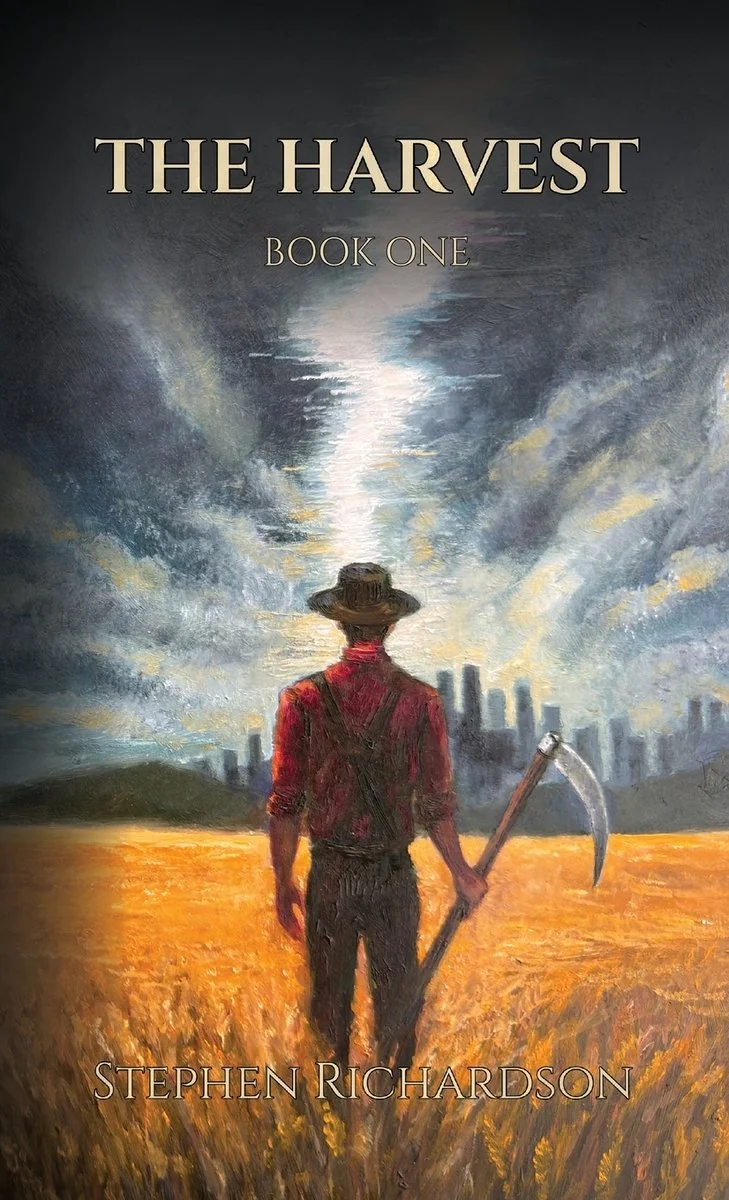
The Harvest
A woman fights to keep her memories while captors rewrite her identity.
The narrative focuses on the psychological dismantling of a captive who retains flashes of her past life despite systematic erasure. Richardson uses the setting of a clinical white room to contrast with the visceral, bloody nature of the protagonist's recollections. The plot does not rely on external threats but rather on the internal horror of losing one's history. The antagonist is not a person but a process designed to overwrite reality. This approach creates a claustrophobic tension that builds as the protagonist realizes the true purpose of her confinement. The story remains tightly focused on this single perspective, emphasizing the isolation and helplessness of the main character against an indifferent, mechanized system.
The Harvest sits within contemporary American speculative fiction, specifically the subgenre of psychological horror. It engages with modern anxieties regarding medical ethics and the loss of personal agency in a technologically controlled environment. The work reflects current cultural fears about surveillance and the malleability of truth.


📝 Description: The Harvest
💎 Our verdict on The Harvest
📖 Why choose it
Why this book is worth reading
Readers who appreciate slow-burn psychological dread and the subversion of trust will find this narrative deeply compelling. The book offers a claustrophobic exploration of gaslighting, where the horror stems not from external monsters but from the internal dismantling of self. Those interested in how memory defines personhood against indifferent, mechanized systems will engage with the protagonist's isolation. It is ideal for audiences who prefer intellectual tension over visceral action, providing a chilling look at identity erosion through a clinical, sterile lens that contrasts sharply with the protagonist's bloody recollections.
⭐ Reader reviews
Reader rating
Stephen Richardson crafts a tense atmosphere of isolation by focusing entirely on the protagonist's internal struggle against a process designed to overwrite her reality. The use of a clinical white room effectively contrasts with visceral memories, creating a unique sensory horror that relies on blinding light and cold intrusion rather than traditional jump scares. This approach suits readers who enjoy examining the violation of self through scientific cruelty. While it lacks fast-paced action, its tight focus on psychological dismantling offers a profound meditation on history and existence. The narrative succeeds in building dread through the realization that rescuers are architects of a new identity, making it a standout for fans of gothic psychological horror.
You might also like
See more →






Have a question about this item?
Ask about the edition, condition, delivery or anything else — we reply by email or phone, usually within a day.
