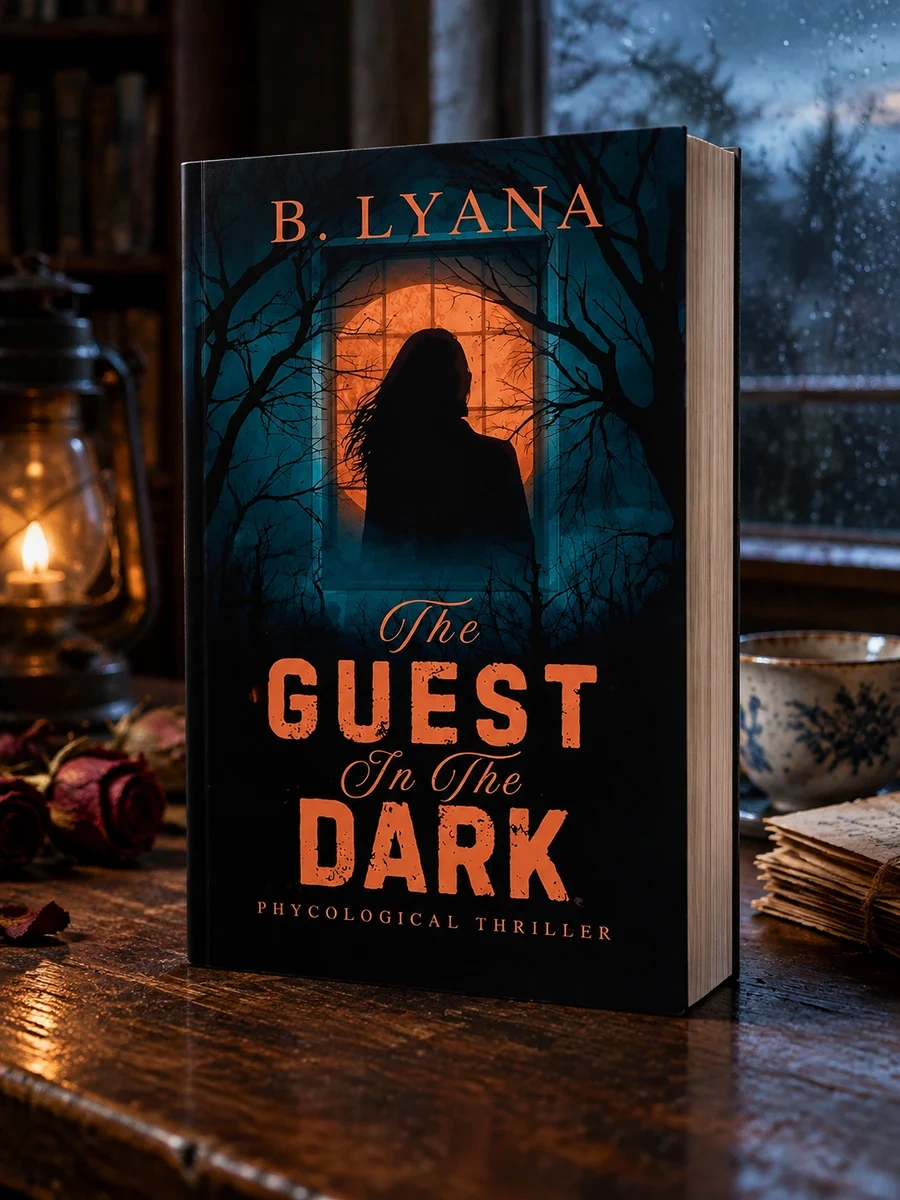
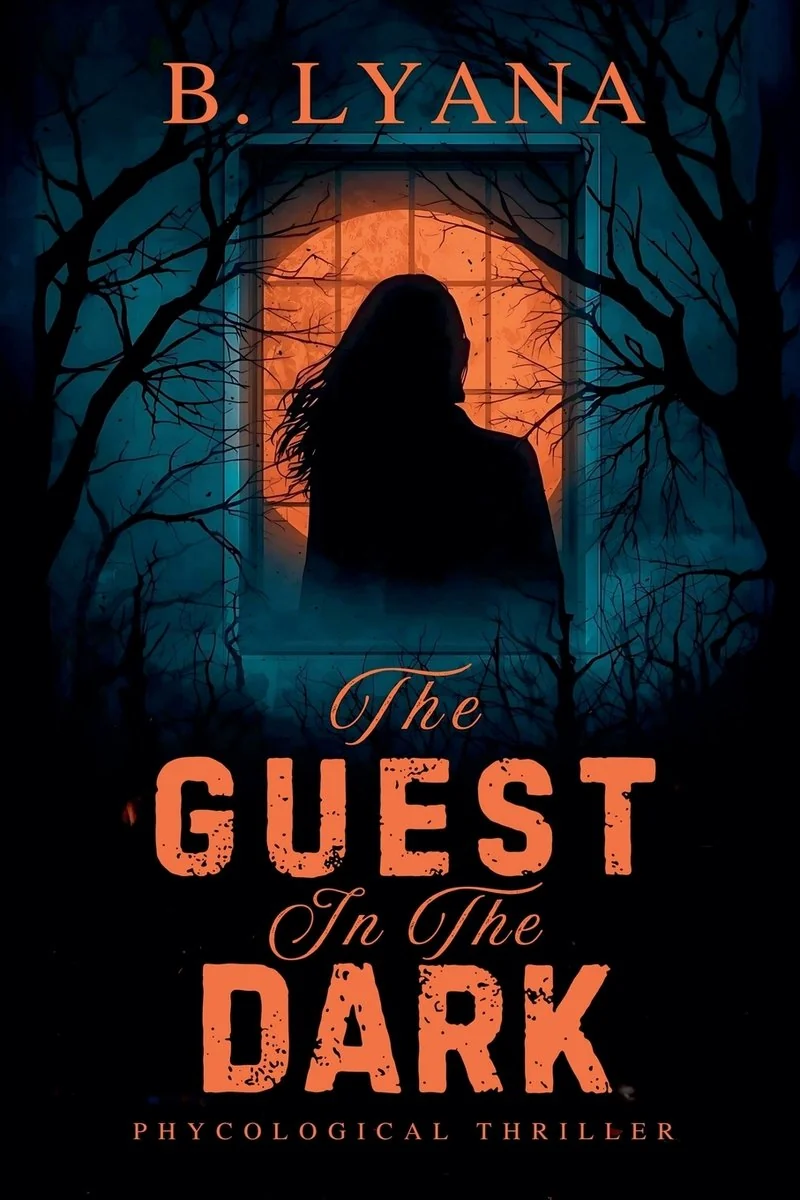
The Guest in the Dark
A journalist investigates a village where time stops and people vanish in this psychological horror.
Raina arrives in Eldermoor seeking answers about the missing, only to find her own past collapsing around her. The setting traps inhabitants in a loop ending at 3:03 AM, creating a backdrop for supernatural events. Lyana uses this constraint to explore themes of guilt and memory. The narrative structure mirrors Raina’s descent into obsession, blurring the line between external investigation and internal breakdown. Readers encounter rituals that defy explanation and a legend that feels personal. The story does not offer easy comfort or clear answers. It demands patience from those who prefer atmosphere over action. The emotional core rests on Raina’s grief, making the supernatural elements feel like manifestations of her psyche rather than separate entities.
The book sits within modern psychological horror, drawing on gothic traditions of isolated villages and lingering ghosts. It reflects contemporary anxieties about unresolved trauma and the persistence of the past. The setting of Eldermoor creates a timeless space where historical fear meets personal history.


📝 Description: The Guest in the Dark
💎 Our verdict on The Guest in the Dark
📖 Why choose it
Why this book is worth reading
Readers who appreciate ambiguity and lingering unease will find value in this narrative, as it demands patience from those who prefer atmosphere over action. It suits audiences interested in the intersection of grief, memory, and psychological breakdown rather than linear plot resolutions. The book offers a haunting experience for those who enjoy stories that linger after reading, providing emotional depth through Raina’s internal struggle. It is ideal for fans of dark fantasy and true crime aesthetics who want to explore themes of guilt without the comfort of clear answers or sensationalist jump scares.
⭐ Reader reviews
Reader rating
Lyana crafts a tale that questions what we owe to the past by grounding supernatural dread in personal trauma. The prose avoids sensationalism, focusing instead on the slow creep of unease and the weight of unresolved sorrow. By blurring the line between external investigation and internal breakdown, the narrative structure mirrors Raina’s descent into obsession effectively. This approach creates a compelling backdrop for rituals that defy explanation. It is best suited for readers who enjoy stories where the supernatural feels like a manifestation of the psyche rather than separate entities. The emotional core rests on grief, making the horror feel intimate and inescapable.
You might also like
See more →




Have a question about this item?
Ask about the edition, condition, delivery or anything else — we reply by email or phone, usually within a day.
