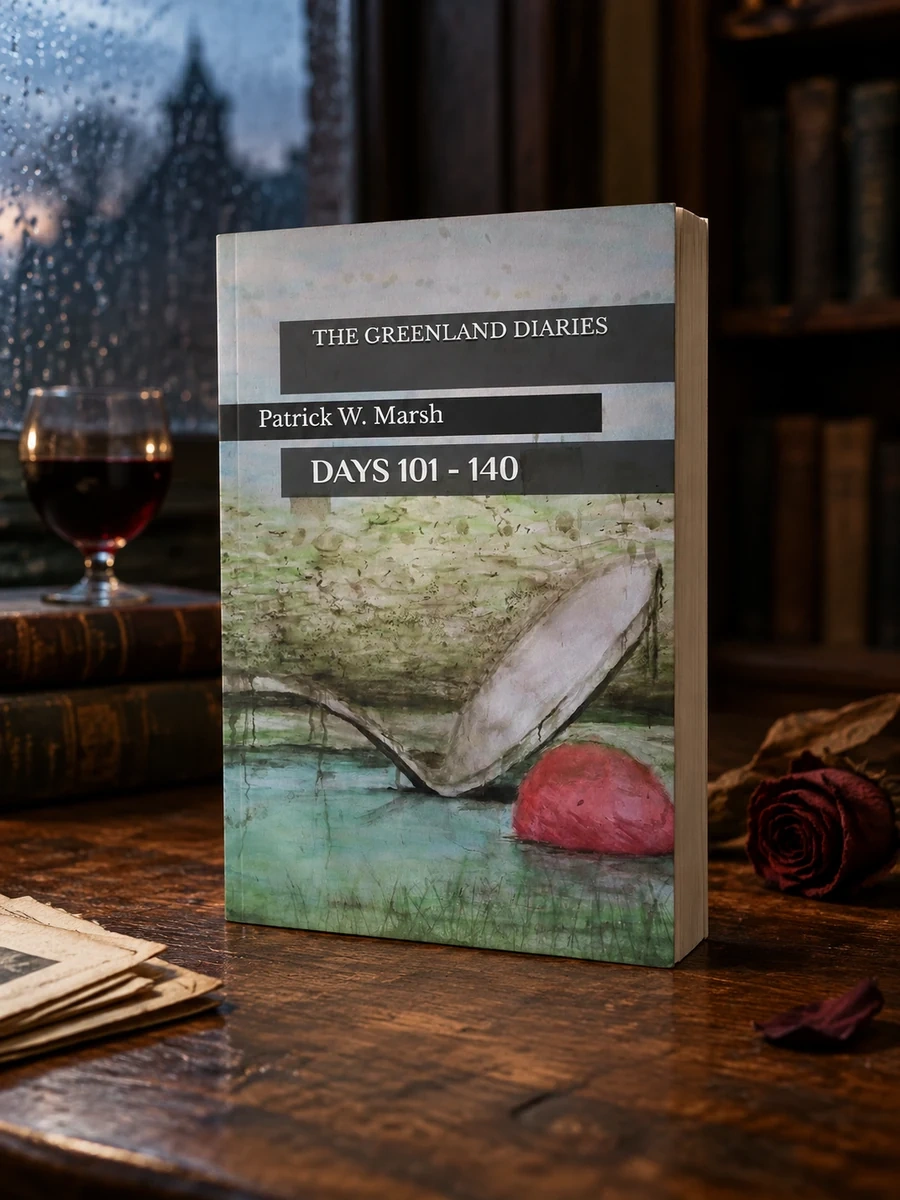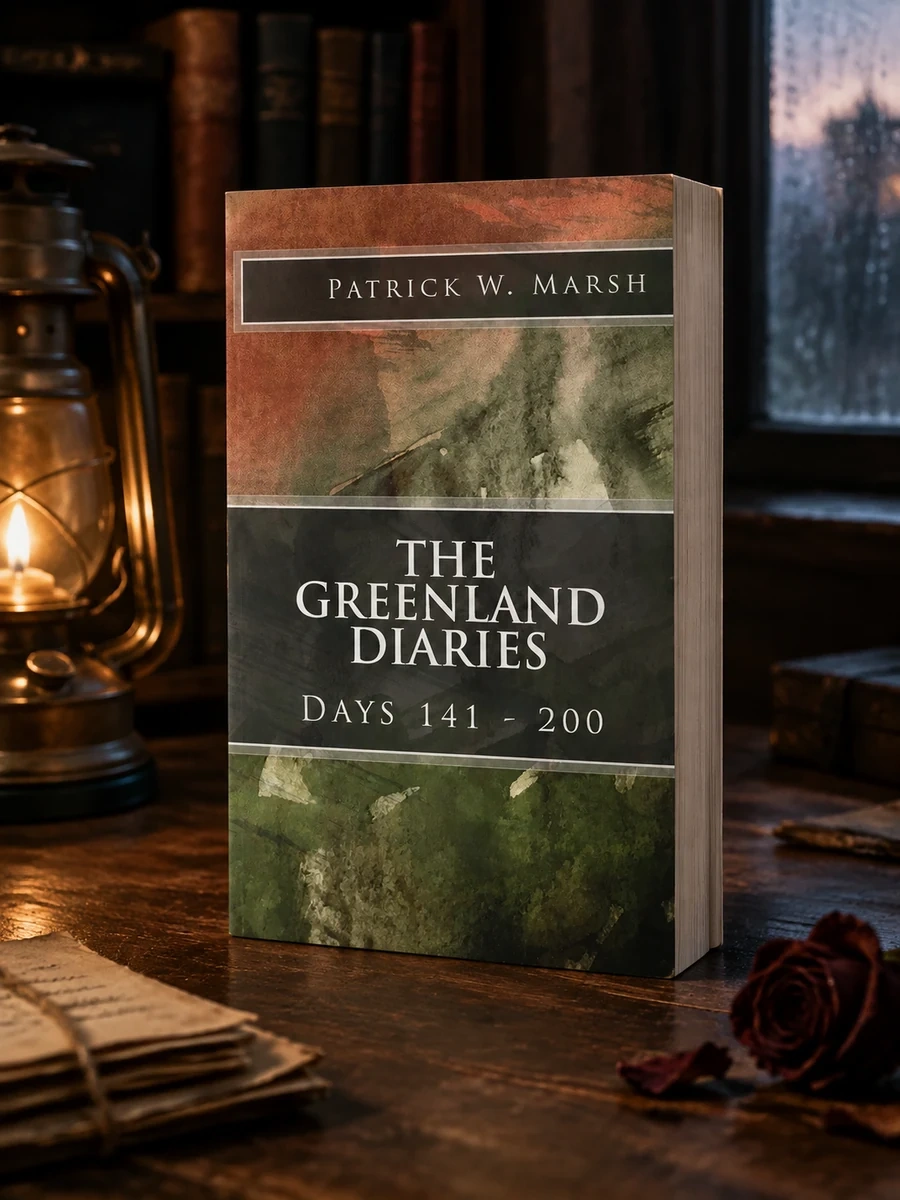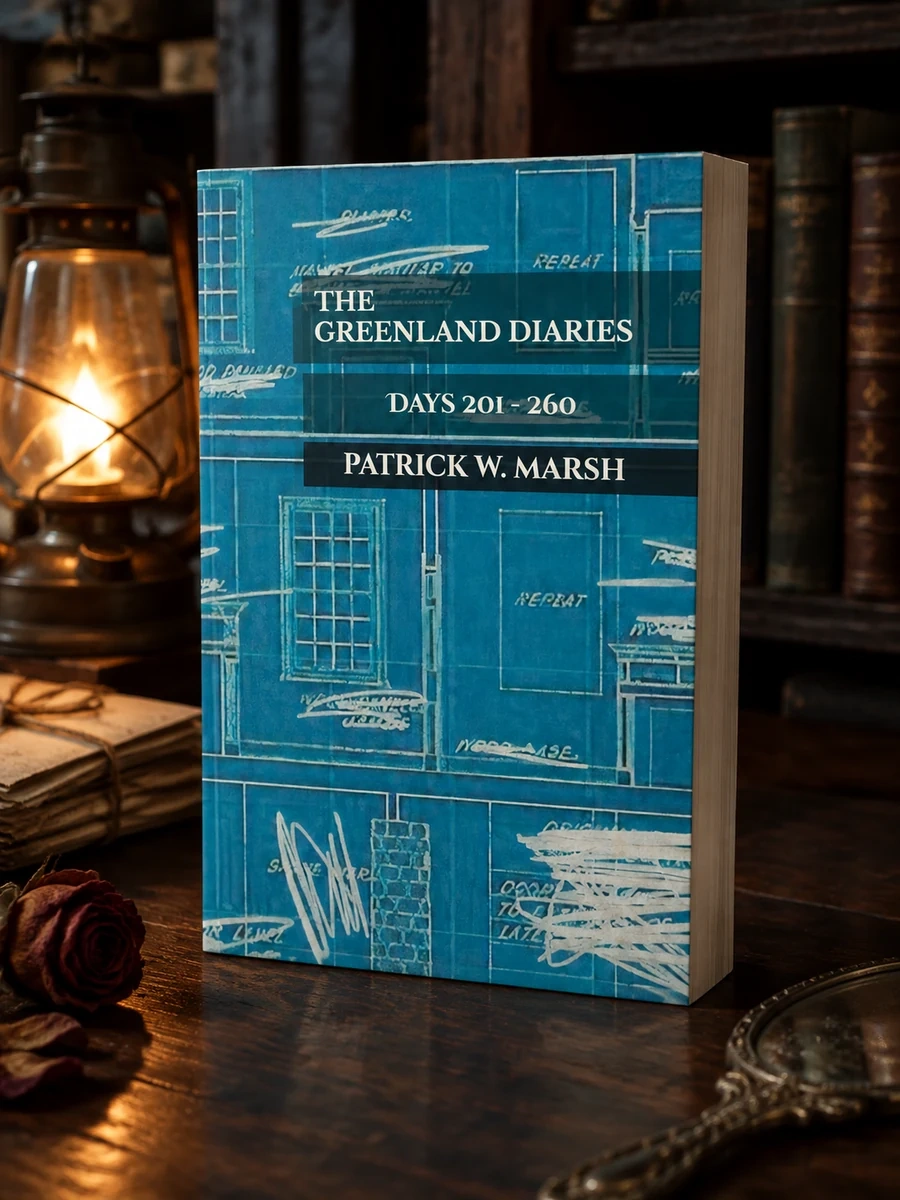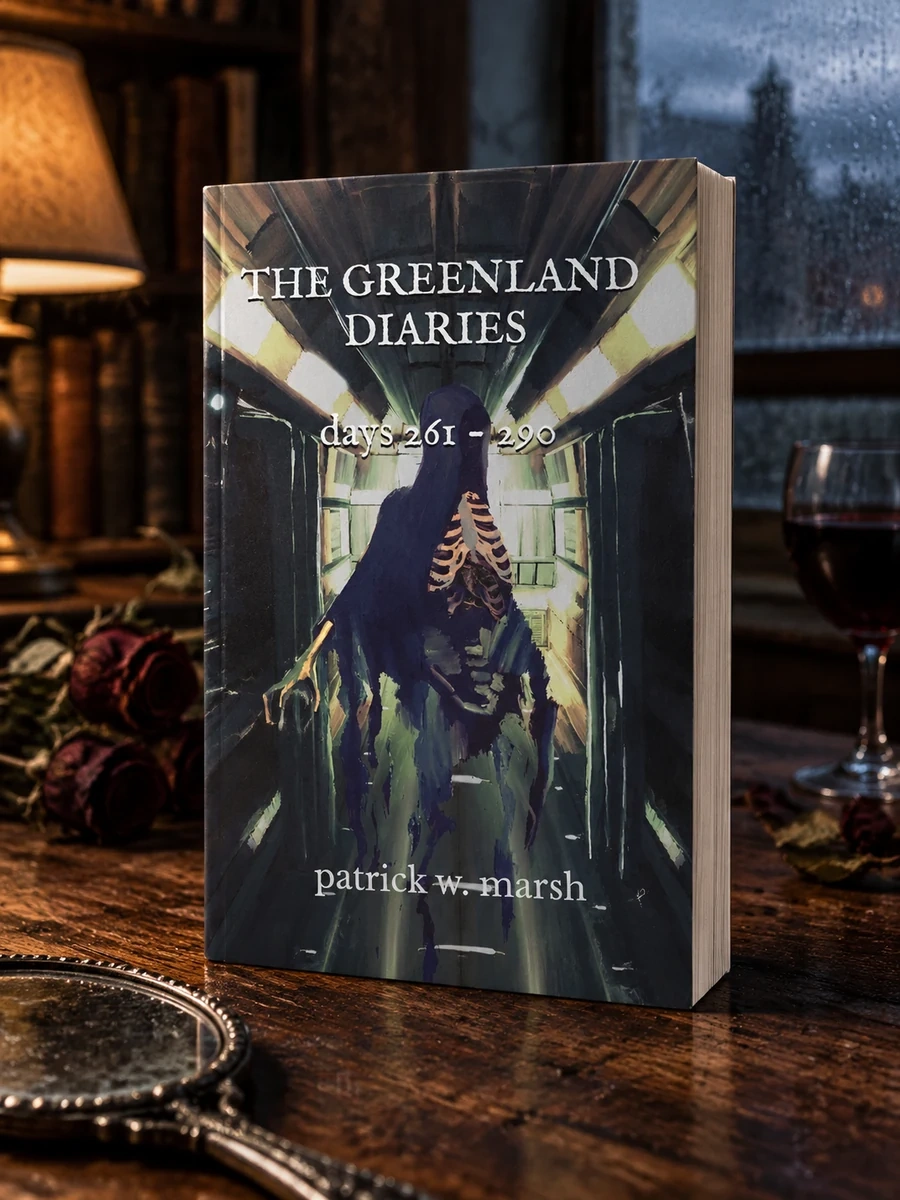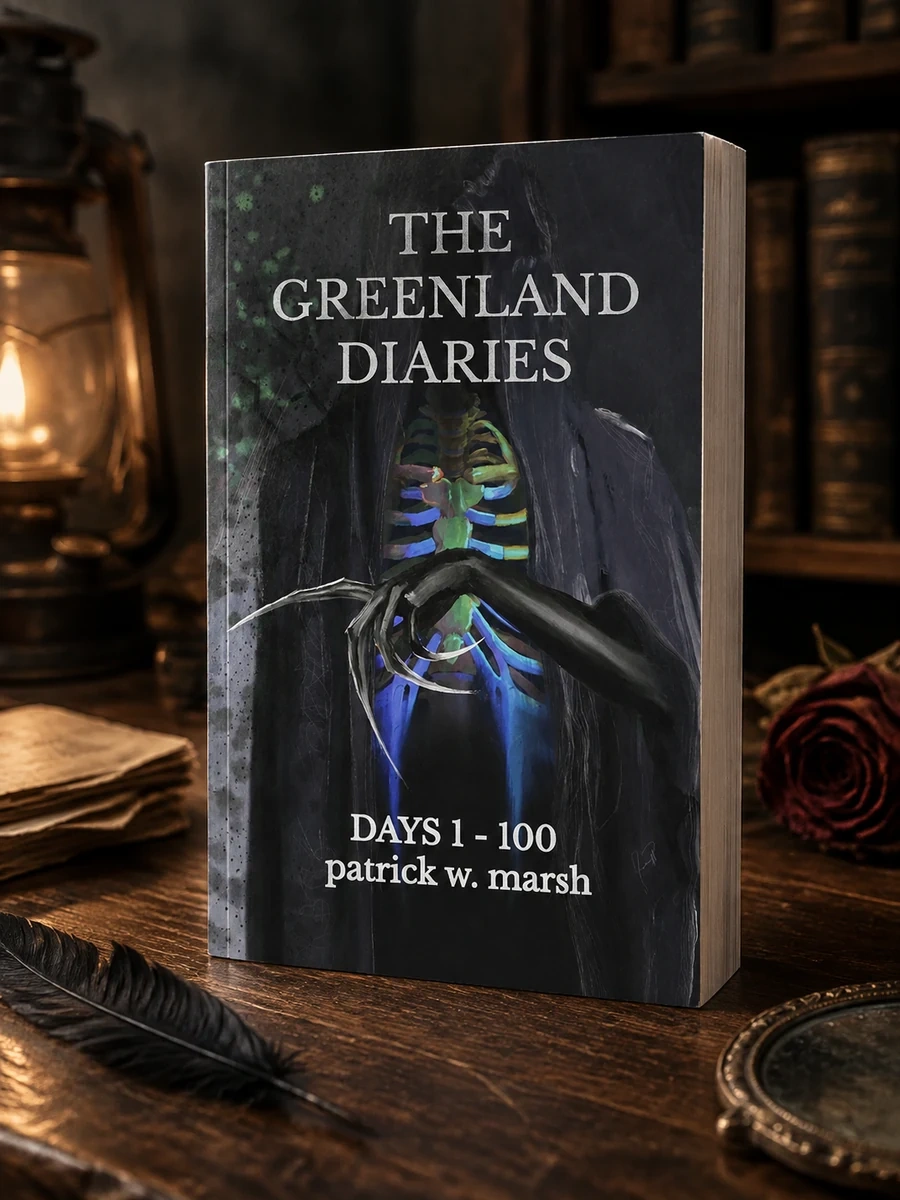
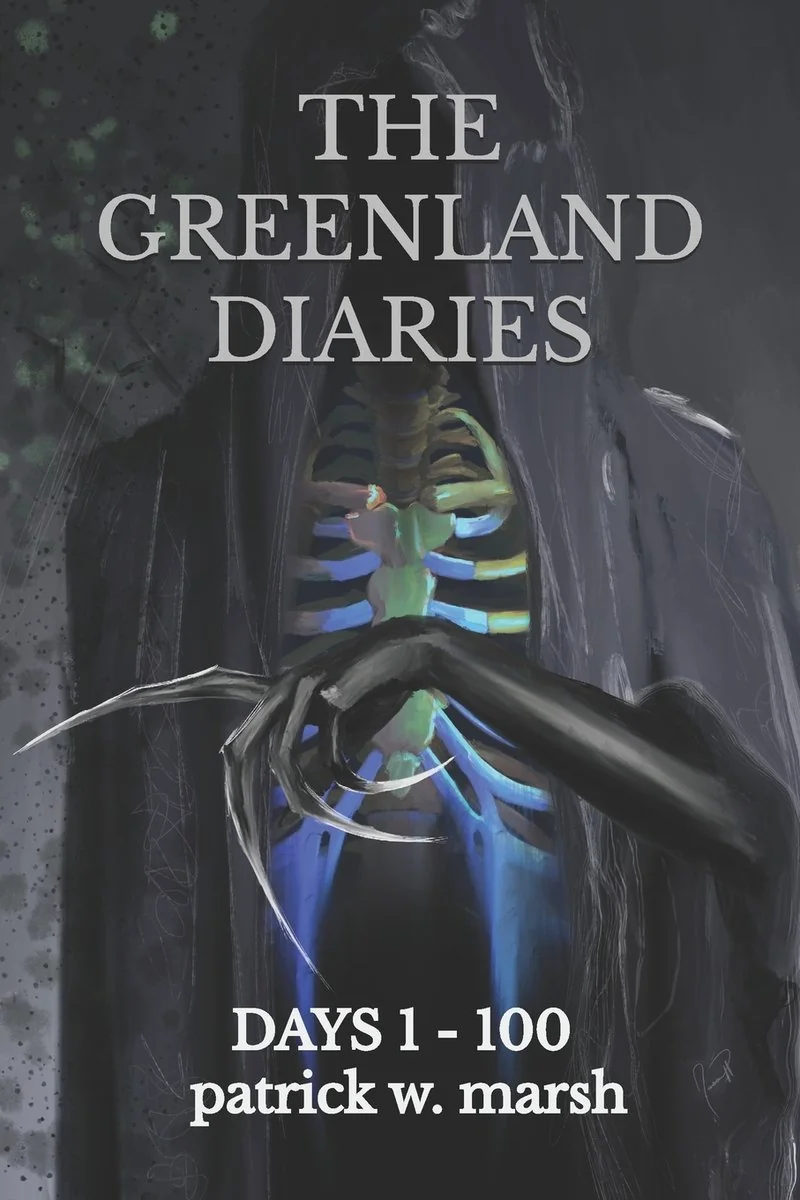
The Greenland Diaries: Days 1 - 100
Recovered journals from an apocalypse near Duluth, Minnesota, by Patrick W Marsh.
The text functions as a primary source document compiled by the Bureau for the Restoration of History. It attempts to reconstruct the timeline of the April 15th, 2011 event through the eyes of an unnamed survivor. The author uses the format of daily entries to convey the escalating terror caused by monstrous entities. The setting is established as a caravan outside Duluth, providing a confined and isolated perspective on the catastrophe. Marsh does not provide answers about the origin of the speaker or the exact date of recovery. Instead, he focuses on the visceral reality of hiding from immediate danger. The work challenges readers to piece together the truth from fragmented observations.
This work sits within the tradition of found footage horror and pseudo-documentary fiction popular in the early 2010s. It utilizes the aesthetic of recovered historical records to create verisimilitude. The narrative is anchored in a specific American location, Duluth, Minnesota, grounding the supernatural elements in a recognizable geographic context.


📝 Description: The Greenland Diaries: Days 1 - 100
💎 Our verdict on The Greenland Diaries: Days 1 - 100
📖 Why choose it
Why this book is worth reading
Readers who appreciate atmospheric dread and mystery will find this book compelling, as it prioritizes visceral survival over traditional plot structures. It serves those who enjoy piecing together fragmented truths from primary source documents rather than receiving clear resolutions. The confined perspective of the caravan near Duluth offers a unique, isolated view of catastrophe, appealing to fans of unfiltered, immediate horror experiences. It is ideal for audiences seeking the tension of the unknown and the eerie authenticity of recovered journals that challenge historical interpretation through personal, terrifying observation.
⭐ Reader reviews
Reader rating
Marsh successfully constructs an immersive experience of escalating terror by maintaining the facade of a genuine historical document. The daily entry format effectively conveys the confusion and isolation of the initial outbreak, keeping the focus on immediate danger rather than lore. This approach creates a palpable sense of dread, though it may frustrate readers seeking narrative closure or defined character arcs. The work excels in its commitment to the pseudo-documentary style, offering a raw, unedited glimpse into an apocalypse. It is best suited for enthusiasts of cosmic horror and found-footage narratives who value atmosphere and mystery over conventional storytelling.