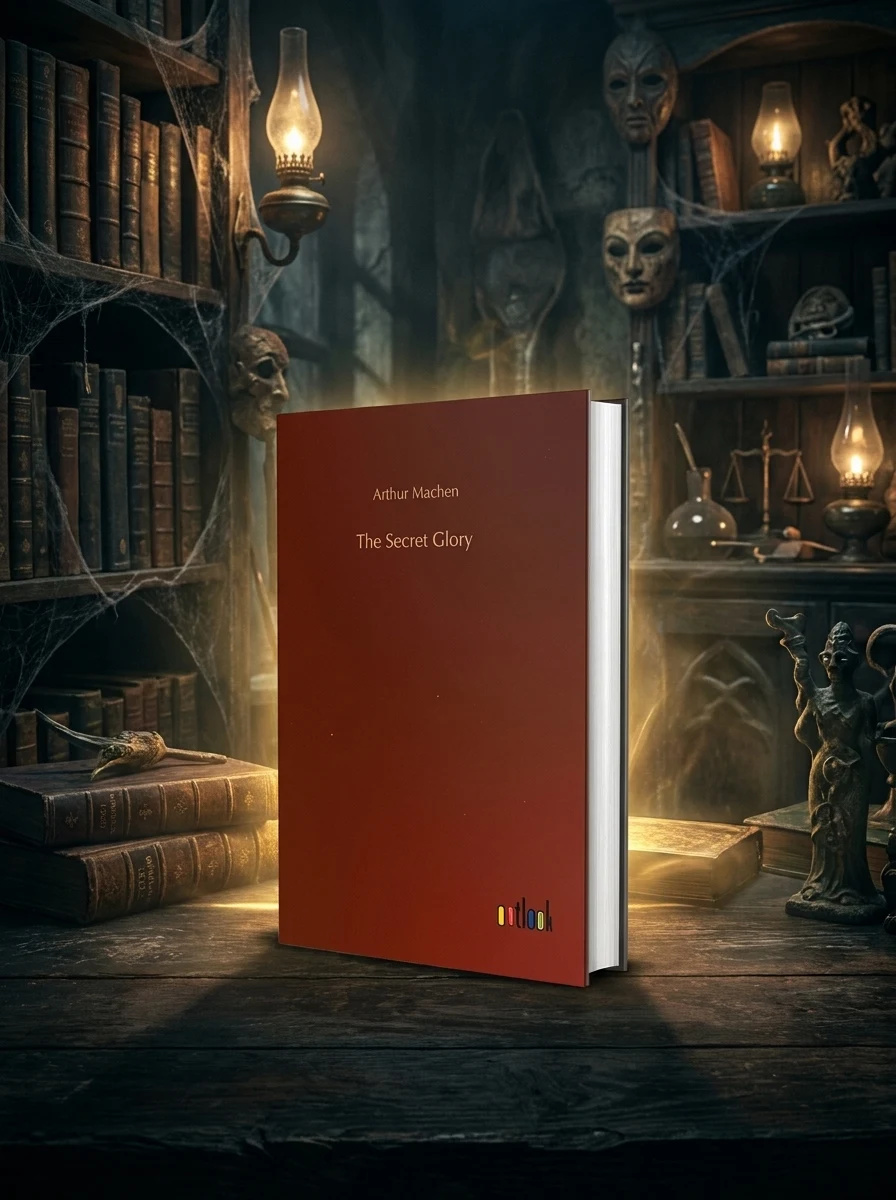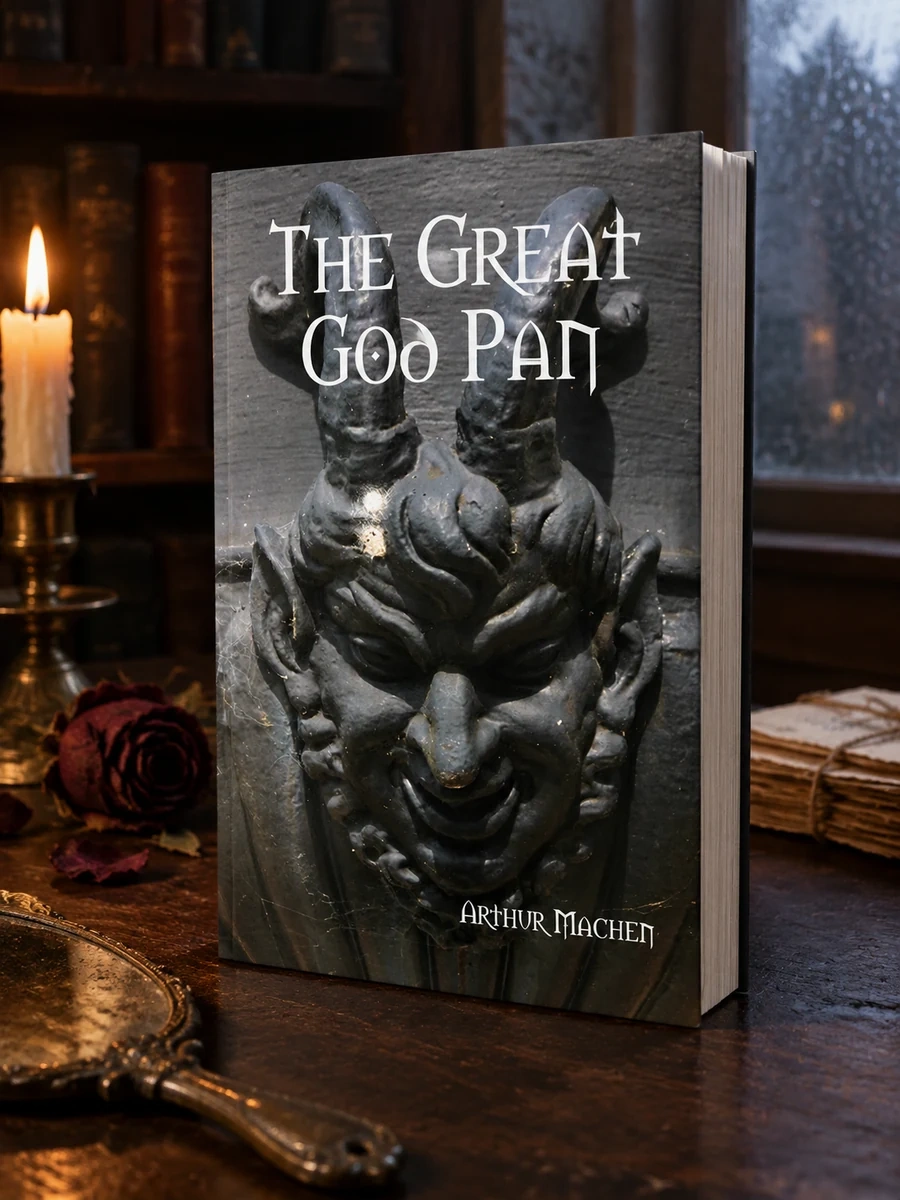
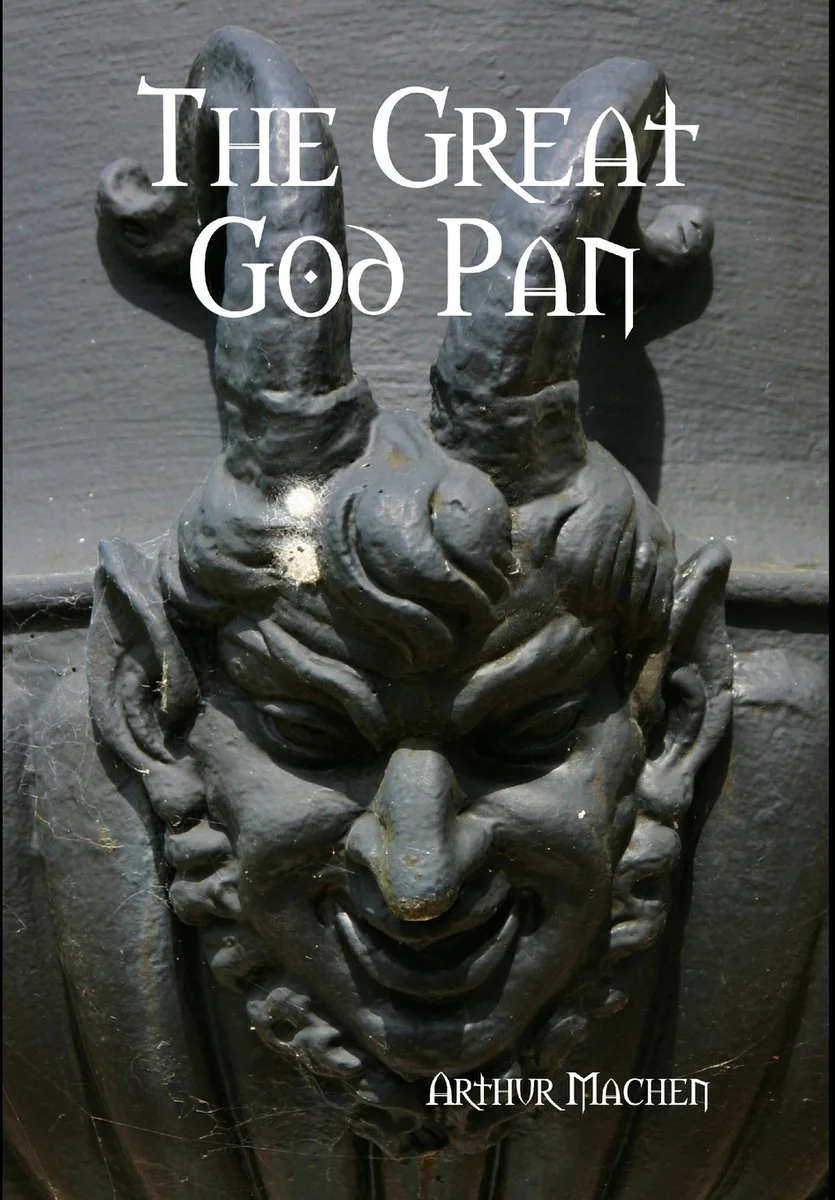
The Great God Pan
A collection of Arthur Machen's classic supernatural tales including The Great God Pan.
This edition compiles the best supernatural stories by Arthur Machen, focusing on his novella The Great God Pan. The work examines pagan symbolism and the power of nature within horror fiction. Critics originally denounced the text for its sexual content and decadent style. Today it is recognized as a classic of the genre. The collection offers a glimpse into literary traditions that used mythological figures to explore the weird. Machen’s writing challenges readers with its bold themes and historical significance. It provides a solid foundation for understanding the evolution of gothic fiction in America and beyond.
The Great God Pan was published in 2014 by Lulu.com, though the original novella faced denunciation for its style. The story reflects a period when authors used Pan as a symbol for nature and paganism. This collection preserves those early weird tales for modern audiences interested in the history of horror literature.


📝 Description: The Great God Pan
💎 Our verdict on The Great God Pan
📖 Why choose it
Why this book is worth reading
Readers seeking a deep dive into the roots of atmospheric dread and mythological depth will find this collection essential. It is ideal for those interested in classic horror and gothic fiction who appreciate historical context over modern psychological thrills. The book offers a solid foundation for understanding how pagan symbolism and nature’s power were utilized within horror narratives. Those who value bold themes and the exploration of decadent styles from the late nineteenth century will gain significant insight into the genre's evolution. It is not for light entertainment seekers but for those ready to engage with texts that challenge conventional boundaries and delve into the weird traditions that shaped modern horror literature.
⭐ Reader reviews
Reader rating
Machen’s collection delivers a compelling exploration of the supernatural through a lens of pagan symbolism and nature’s terrifying power. The central novella, 'The Great God Pan,' remains a bold narrative that challenges genre conventions with its historical significance. While original critics denounced the work for decadence, modern readers recognize its value in examining mythological figures within horror fiction. This volume suits enthusiasts of classic weird fiction who appreciate atmospheric dread and literary heritage. It provides a stark, unapologetic look at late nineteenth-century storytelling. Readers seeking light entertainment will likely find it too dense, but those valuing mythological depth and historical context will find the text resonant and intellectually stimulating.