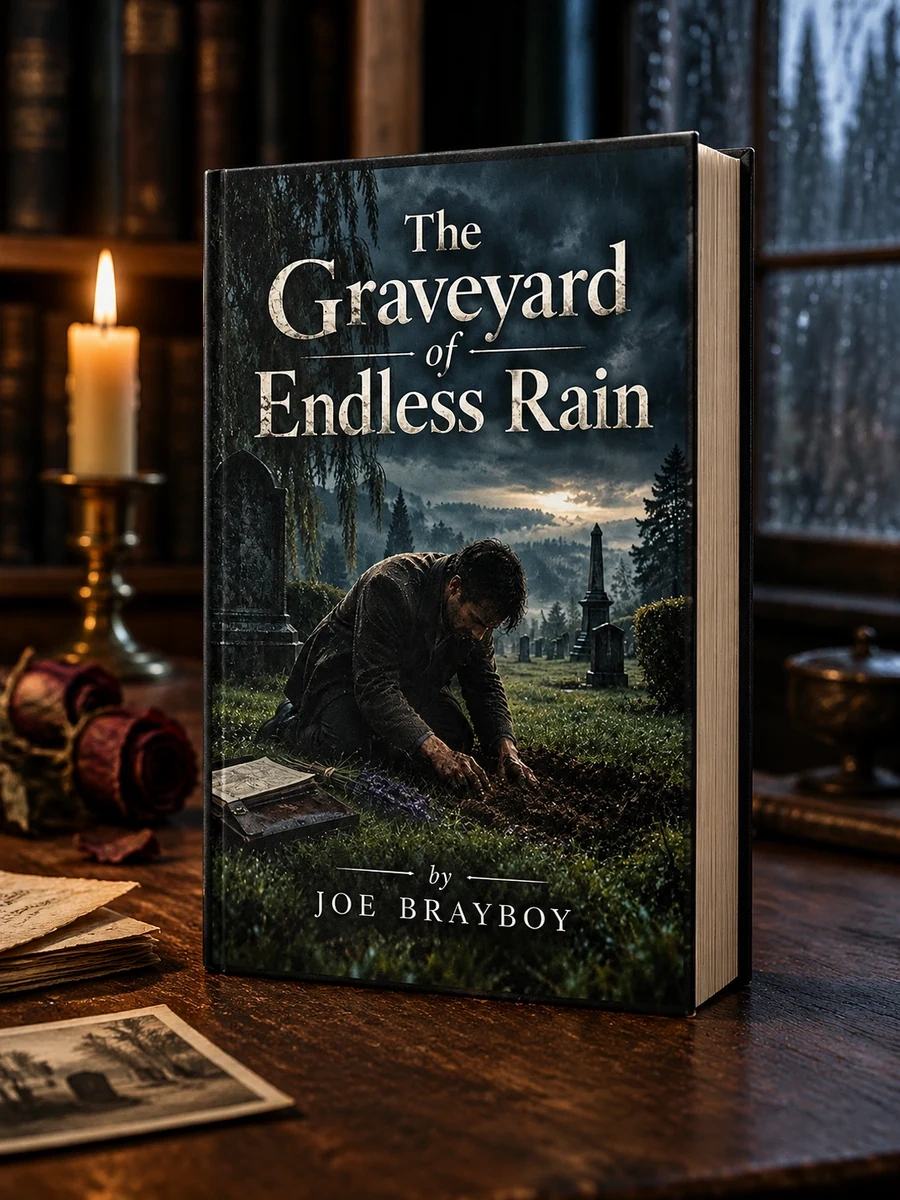
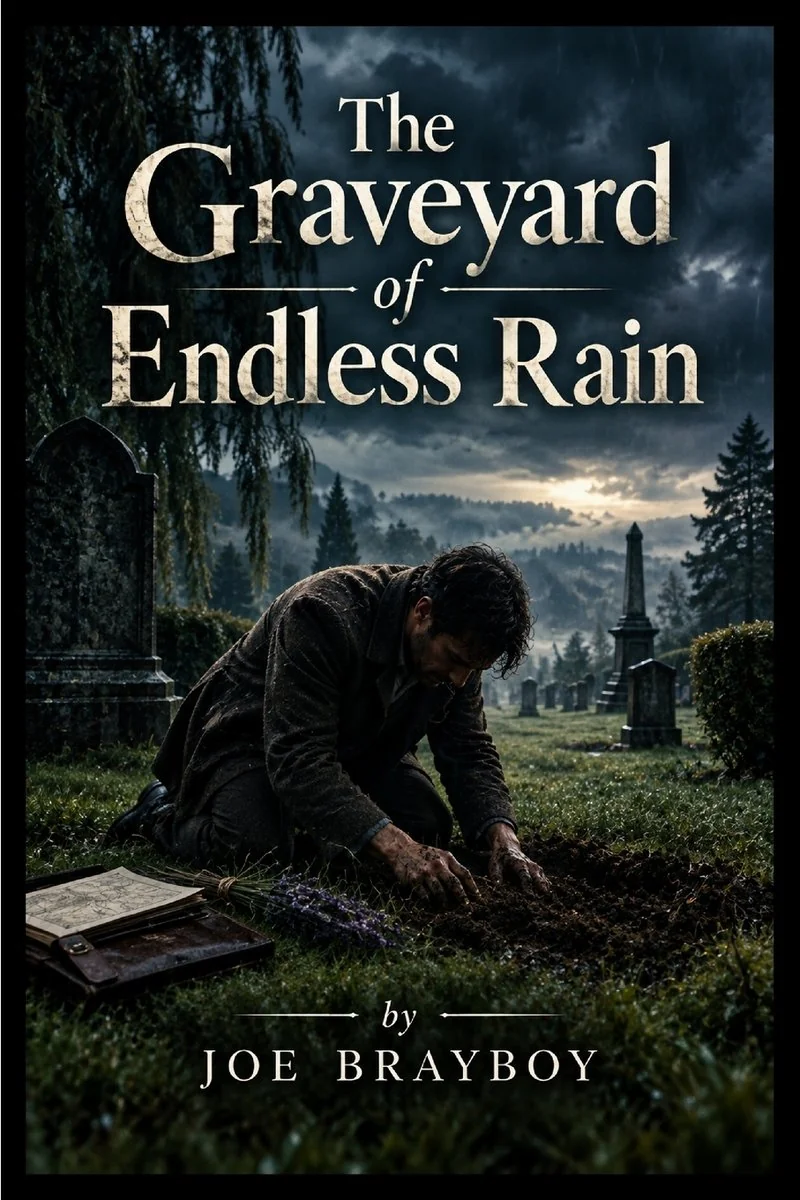
The Graveyard of Endless Rain
A story about an archivist fighting a force that deletes history and memory.
The narrative focuses on the consequences of having one's past erased by a supernatural agent. Brayboy explores the terror of losing identity through the lens of archival science. The protagonist must confront a reality where his father never existed. This creates a unique conflict between personal grief and objective truth. The book examines how memory constructs our sense of self. It does not offer easy solutions or happy endings. Instead, it presents a chilling view of existence as fragile and temporary. Readers interested in the mechanics of forgetting will find this compelling. The story avoids traditional monster tropes for a more abstract threat.
This work fits within contemporary horror fiction, specifically the gothic and supernatural subgenres. It reflects modern anxieties about memory and historical record. The publication in 2026 places it in recent speculative literature trends focusing on existential dread.


📝 Description: The Graveyard of Endless Rain
💎 Our verdict on The Graveyard of Endless Rain
📖 Why choose it
Why this book is worth reading
Readers interested in the mechanics of forgetting and the erosion of self will find this compelling. It appeals to those who prefer psychological dread over sensationalism, offering a chilling view of existence as fragile and temporary. The narrative avoids easy solutions, providing a unique conflict between personal grief and objective truth for those who appreciate abstract threats. Those seeking light comfort may find the tone too heavy, but fans of dark fantasy and true crime adjacent psychological tension will appreciate the steady decline into oblivion. It is ideal for readers who enjoy stories where memory constructs our sense of self, offering a profound examination of how legacy can be dismantled by external powers without relying on historical archives.
⭐ Reader reviews
Reader rating
Brayboy crafts a narrative centered on an archivist fighting a force that deletes history and memory. The text examines how personal legacy is dismantled, drawing on themes of archival work and the fragility of human memory. The author structures the plot around the gradual loss of evidence, creating a sense of dread through the absence of facts rather than their presence. This approach appeals to readers interested in supernatural fiction and gothic horror traditions who prefer psychologic depth over straightforward adventure. The prose avoids sensationalism for a steady decline into oblivion. While the ending leaves the protagonist's fate unresolved, this ambiguity emphasizes the power of the erasing force. It is a compelling work for those who enjoy stories about the erosion of self.
📖 Read on the blog
🏛 Books from this publisher Joe Brayboy



You might also like
See more →




Have a question about this item?
Ask about the edition, condition, delivery or anything else — we reply by email or phone, usually within a day.
