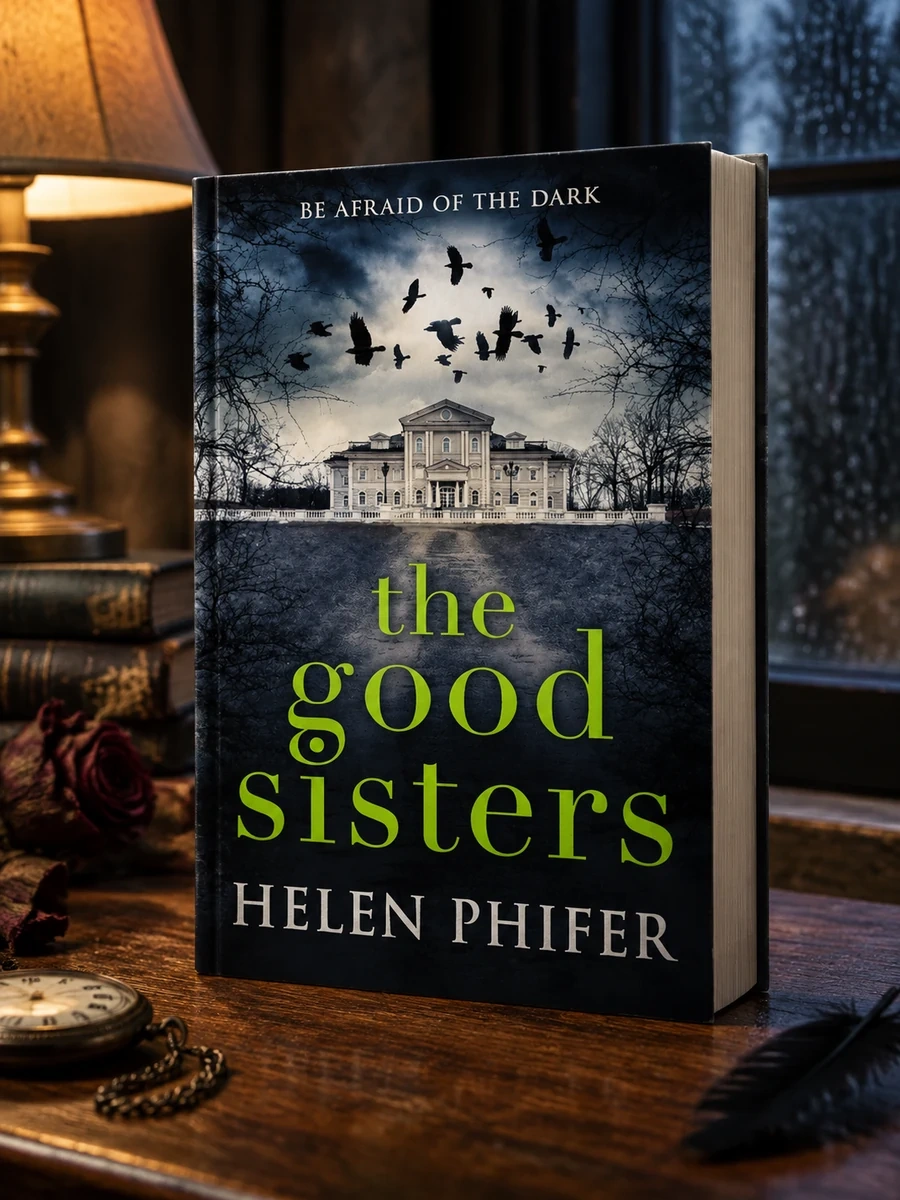
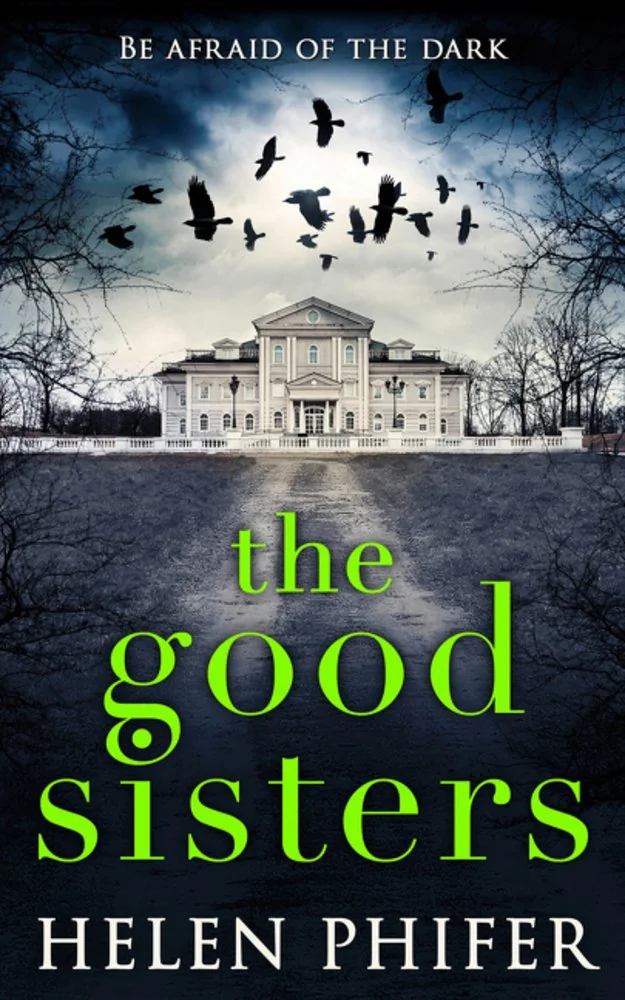
The Good Sisters
A haunted convent bridges a 1933 murder and a modern woman's struggle for redemption.
The narrative connects two distinct timelines through a single location. The first timeline establishes the initial evil within the convent walls. Agnes’s mistake creates a legacy of fear that persists for generations. The second timeline follows Kate Parker as she attempts to reclaim the property. Her personal demons mirror the supernatural threats she encounters. The story examines how trauma and guilt can manifest in physical spaces. It does not offer easy answers regarding the nature of the haunting. Instead, it focuses on the psychological impact of living with an unknown presence. The tension builds through subtle changes in the environment rather than overt attacks.
The story is set in two periods: 1933 and over eighty years later. It draws on American gothic fiction traditions involving isolated religious institutions. The narrative reflects mid-twentieth-century fears and contemporary struggles with addiction and divorce. The setting emphasizes the decay of old buildings and their lingering spiritual weight.


📝 Description: The Good Sisters
💎 Our verdict on The Good Sisters
📖 Why choose it
Why this book is worth reading
Readers who appreciate atmospheric horror rooted in religious settings will find this book compelling. It offers a nuanced exploration of trauma and guilt, showing how they can manifest in physical environments over decades. Those interested in dual-timeline narratives that connect historical tragedy with modern psychological unraveling will enjoy the intricate weaving of past and present. The book is ideal for fans who prefer tension built through subtle environmental changes rather than overt violence. It appeals to those seeking a story where the setting acts as a central character, driving the narrative forward through lingering presence and unexplained phenomena. This title suits individuals looking for a meditation on redemption and the echoes of past sins.
⭐ Reader reviews
Reader rating
Helen Phifer delivers a tense gothic tale where the dilapidated convent serves as more than just a backdrop; it is an active participant in the haunting. The dual narrative structure effectively connects a 1933 murder mystery with a modern woman’s struggle for redemption, creating a cohesive exploration of inherited guilt. Phifer excels at building dread through subtle shifts in the environment rather than relying on cheap jump scares or clear supernatural explanations. This approach creates a lingering sense of unease that resonates deeply. The book is best suited for readers who enjoy psychological horror and domestic suspense over fast-paced action. It provides a rich, atmospheric experience for those willing to engage with its slow-burn tension and complex thematic layers regarding trauma and the persistence of the past.
📖 Read on the blog
✍️ More books by this author Helen Phifer




🏛 Books from this publisher HQ Digital


You might also like
See more →


Have a question about this item?
Ask about the edition, condition, delivery or anything else — we reply by email or phone, usually within a day.
