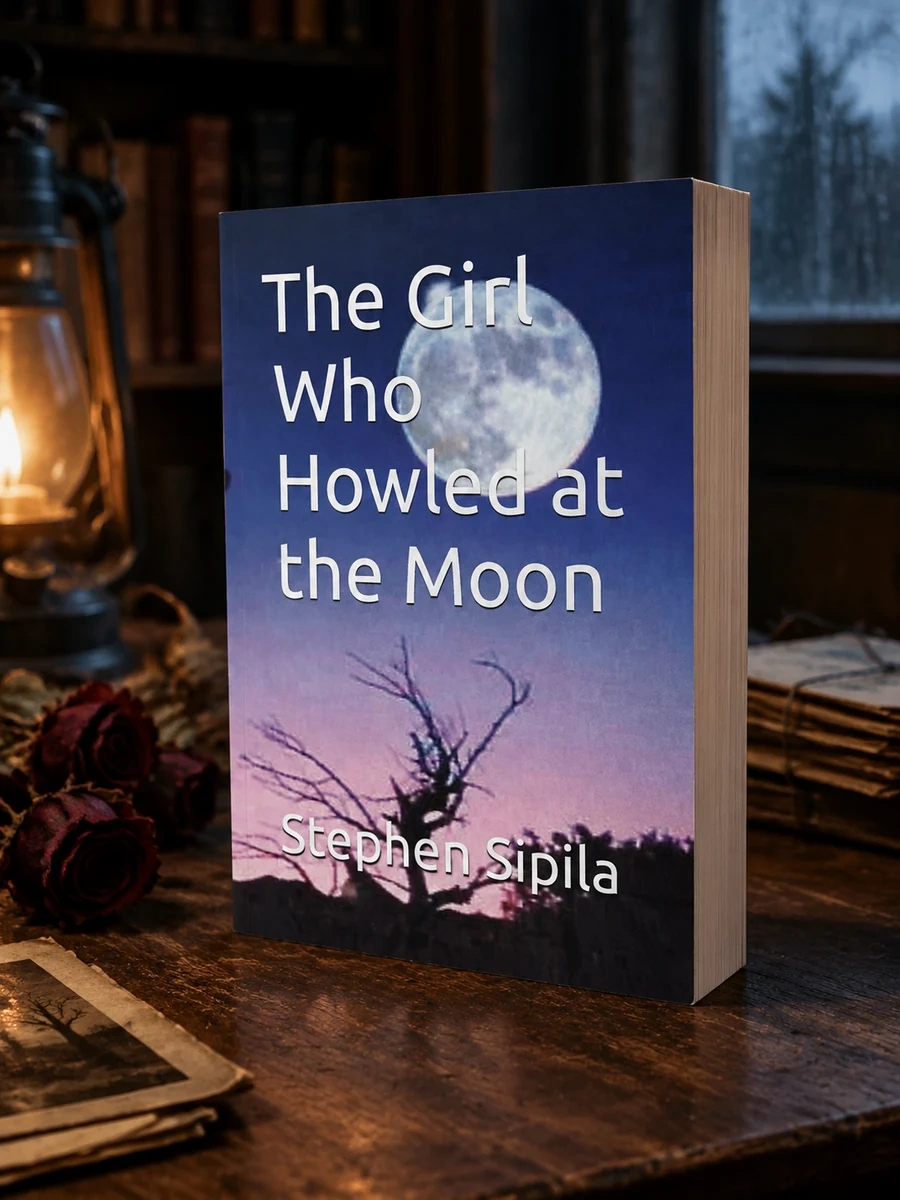
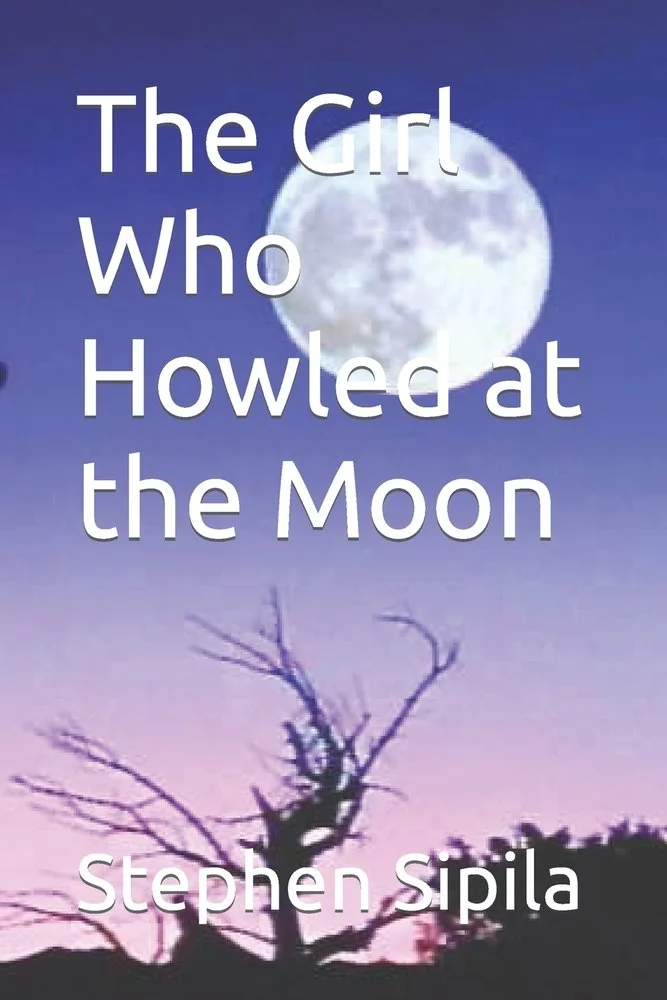
The Girl Who Howled at the Moon
A WWII romance where a secret werewolf helps her lover survive Nazi occupation.
The narrative follows Ivan and Anastasia as they transition from shy villagers to survivors. Their bond deepens through shared trauma and the discovery of her lycanthropy. The text examines how supernatural traits can alter human relationships during wartime. Sipila uses the setting to contrast ordinary fear with monstrous reality. The story does not focus on military strategy but on personal resilience. Readers will find a unique perspective on love in extreme conditions.
The work is situated in Eastern Europe during the Second World War. It engages with the historical context of Nazi invasion and the subsequent slaughter of civilians. The narrative relies on European folklore traditions regarding shape-shifters to frame the supernatural elements within a specific wartime period.


📝 Description: The Girl Who Howled at the Moon
💎 Our verdict on The Girl Who Howled at the Moon
📖 Why choose it
Why this book is worth reading
Readers seeking a unique intersection of historical survival and supernatural romance will find this narrative compelling. It offers a fresh perspective on love persisting amid extreme violence, contrasting ordinary fear with monstrous reality. Those interested in how secret identities alter human relationships during wartime will appreciate the focus on personal resilience over military strategy. The book appeals to fans of dark fantasy who enjoy exploring the tactical advantages of lycanthropy within a grim historical setting. It is ideal for those willing to suspend strict historical accuracy in favor of atmospheric horror and emotional depth, providing a distinct view of endurance through shared trauma and supernatural transformation.
⭐ Reader reviews
Reader rating
Sipila effectively merges gothic elements with WWII history, creating a tense atmosphere where love becomes a survival mechanism. The narrative excels in depicting the shift from romantic tension to desperate co-dependency, using Anastasia’s lycanthropy as both a curse and a tactical asset. While it lacks military detail, it succeeds in exploring psychological horror through the lens of occupation. The tone is appropriately grim yet hopeful regarding human connection. This title suits readers who enjoy shape-shifter myths grounded in real-world tragedy. It avoids pure historical accuracy to prioritize emotional resonance and supernatural intrigue. Fans of dark fantasy and historical horror will find this a poignant, if unconventional, exploration of resilience and devotion amidst the chaos of war.
📖 Read on the blog
🏛 Books from this publisher Independently Published








You might also like
See more →
Have a question about this item?
Ask about the edition, condition, delivery or anything else — we reply by email or phone, usually within a day.
