The Ghastling: Book Thirteen
A vintage-styled horror magazine collecting short stories of ghosts and the macabre.
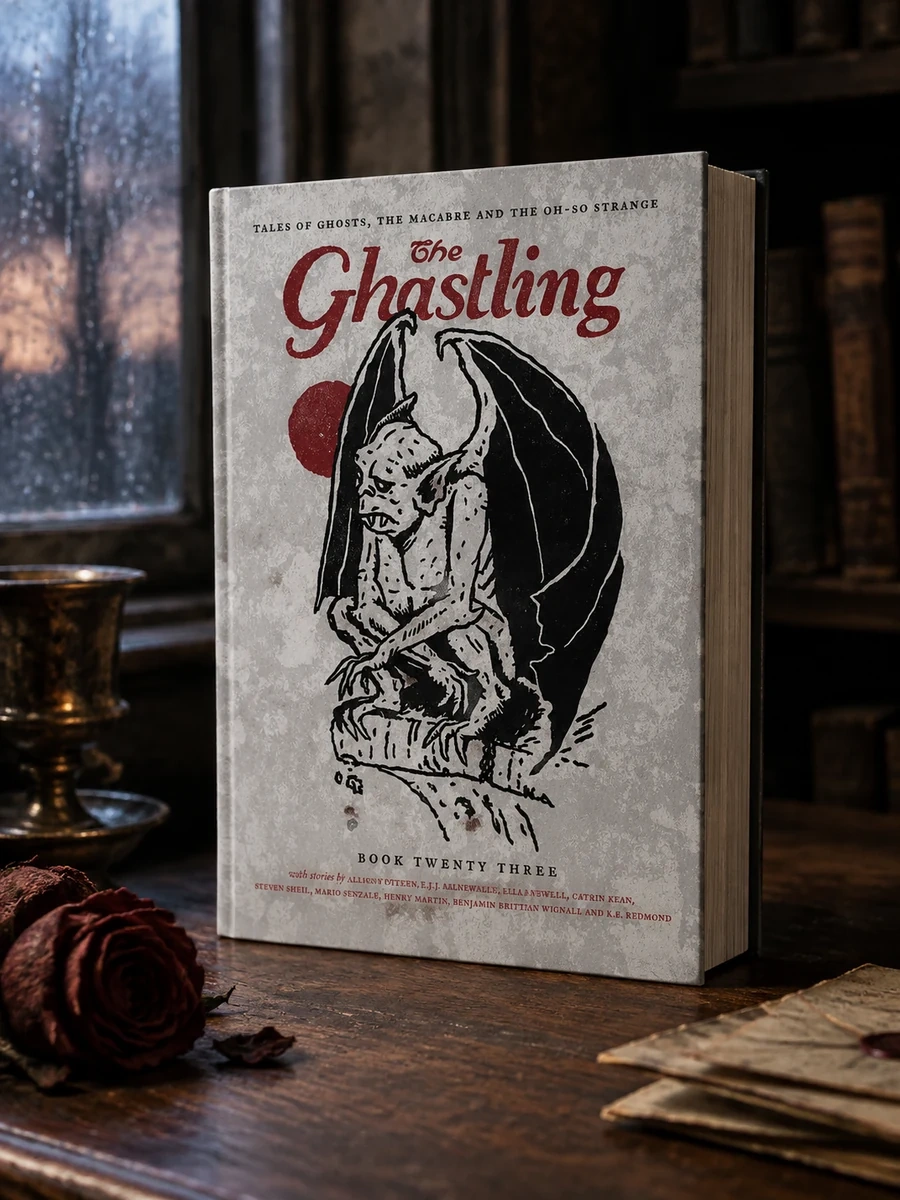
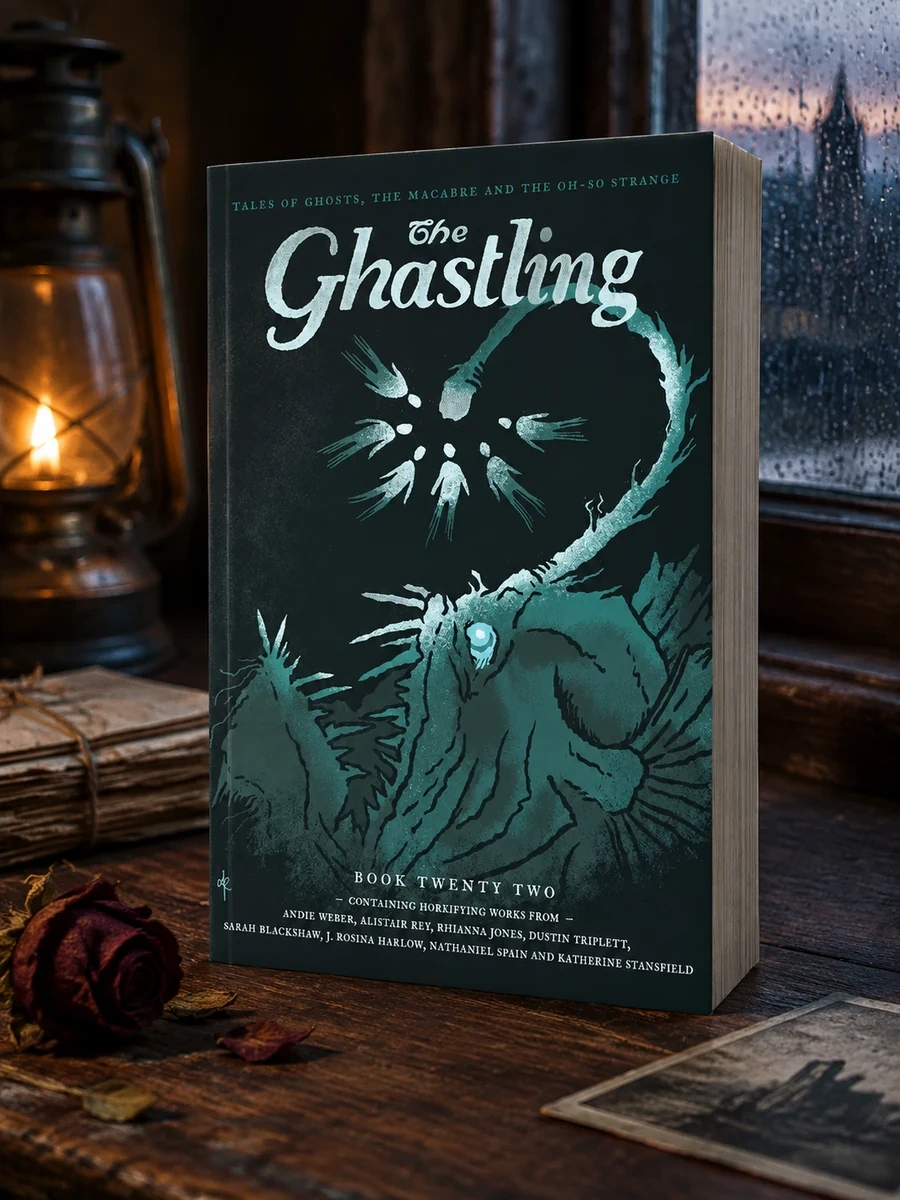
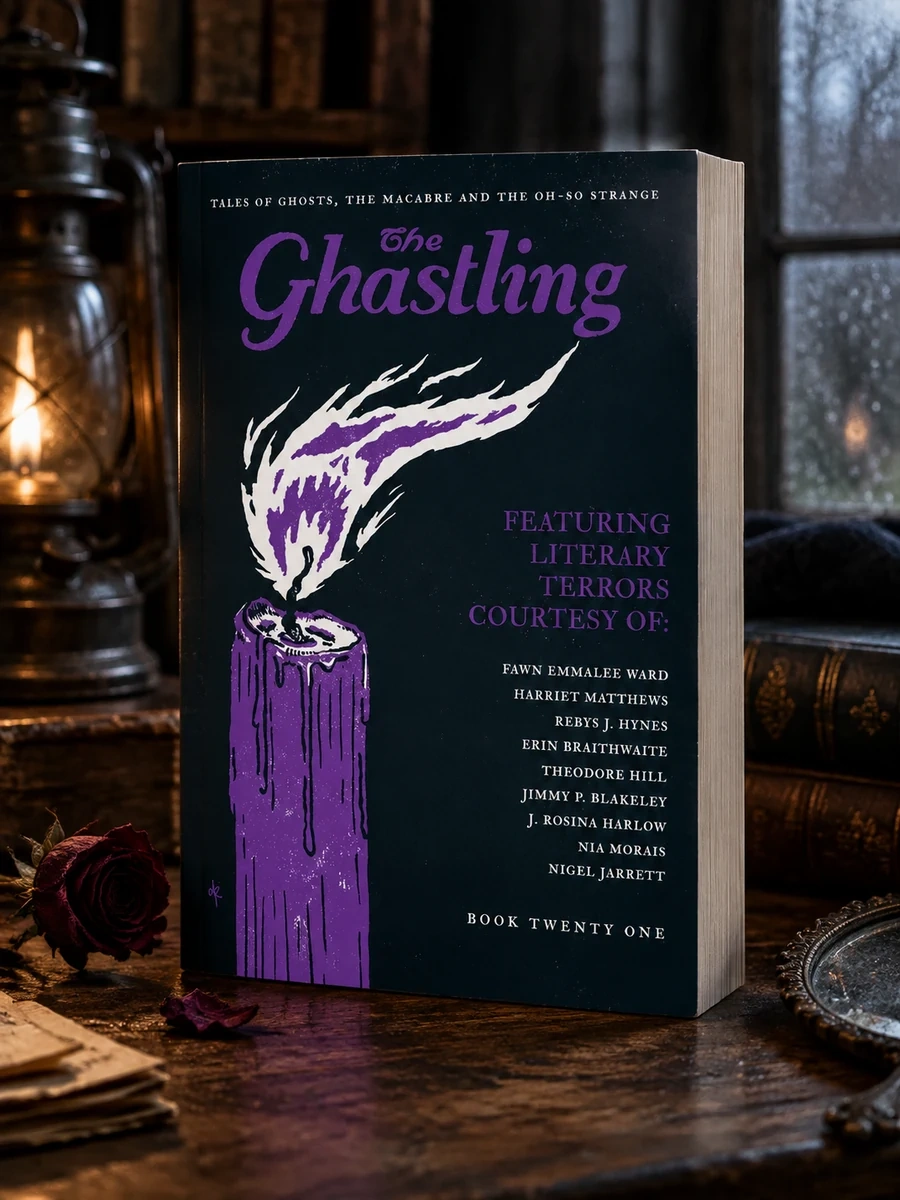
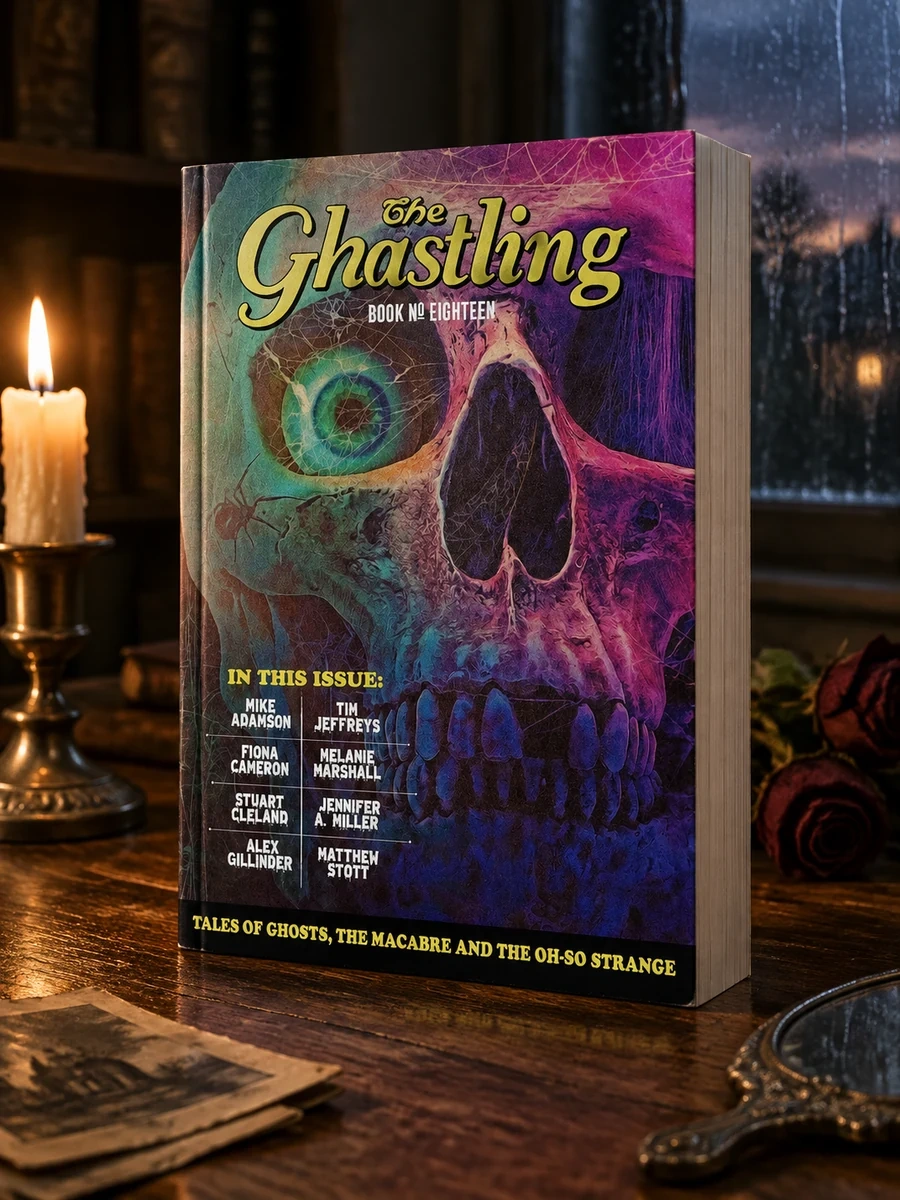
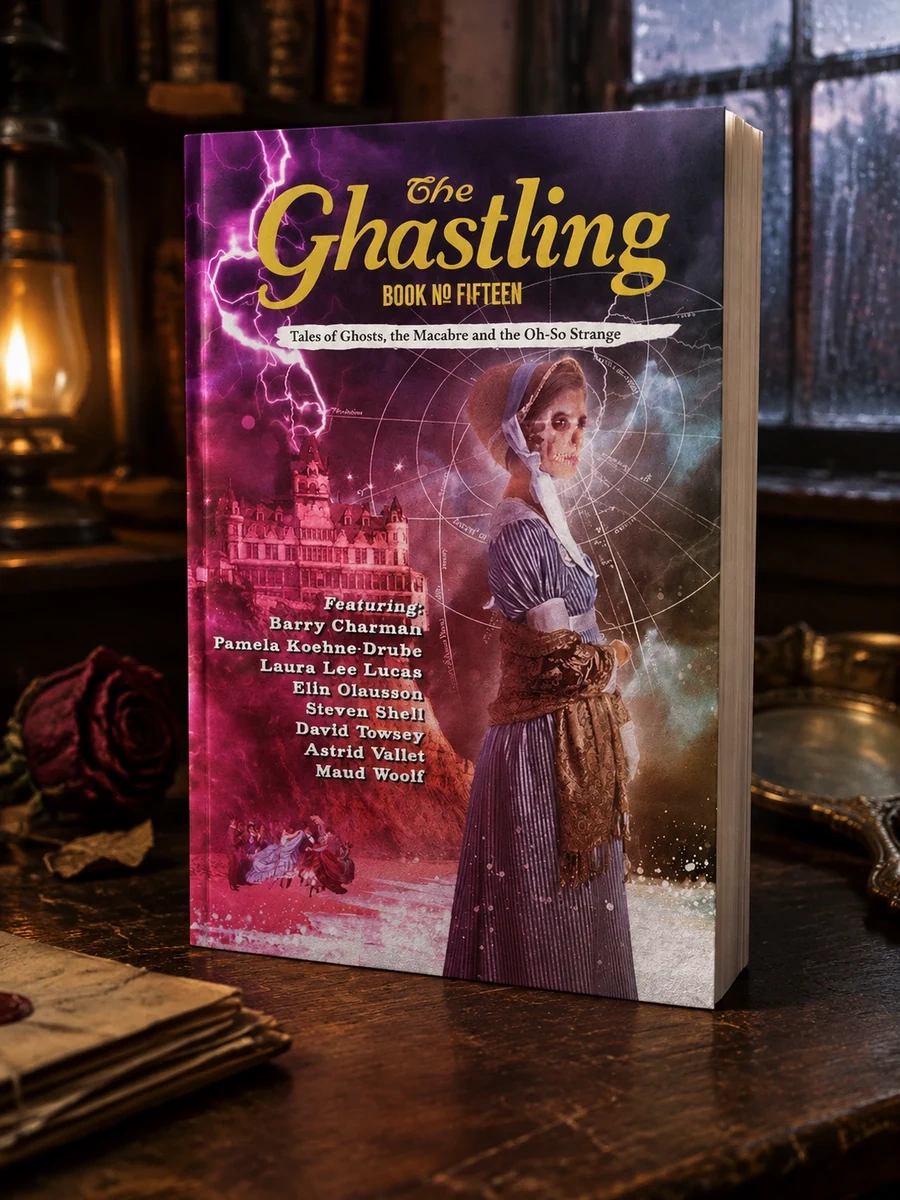
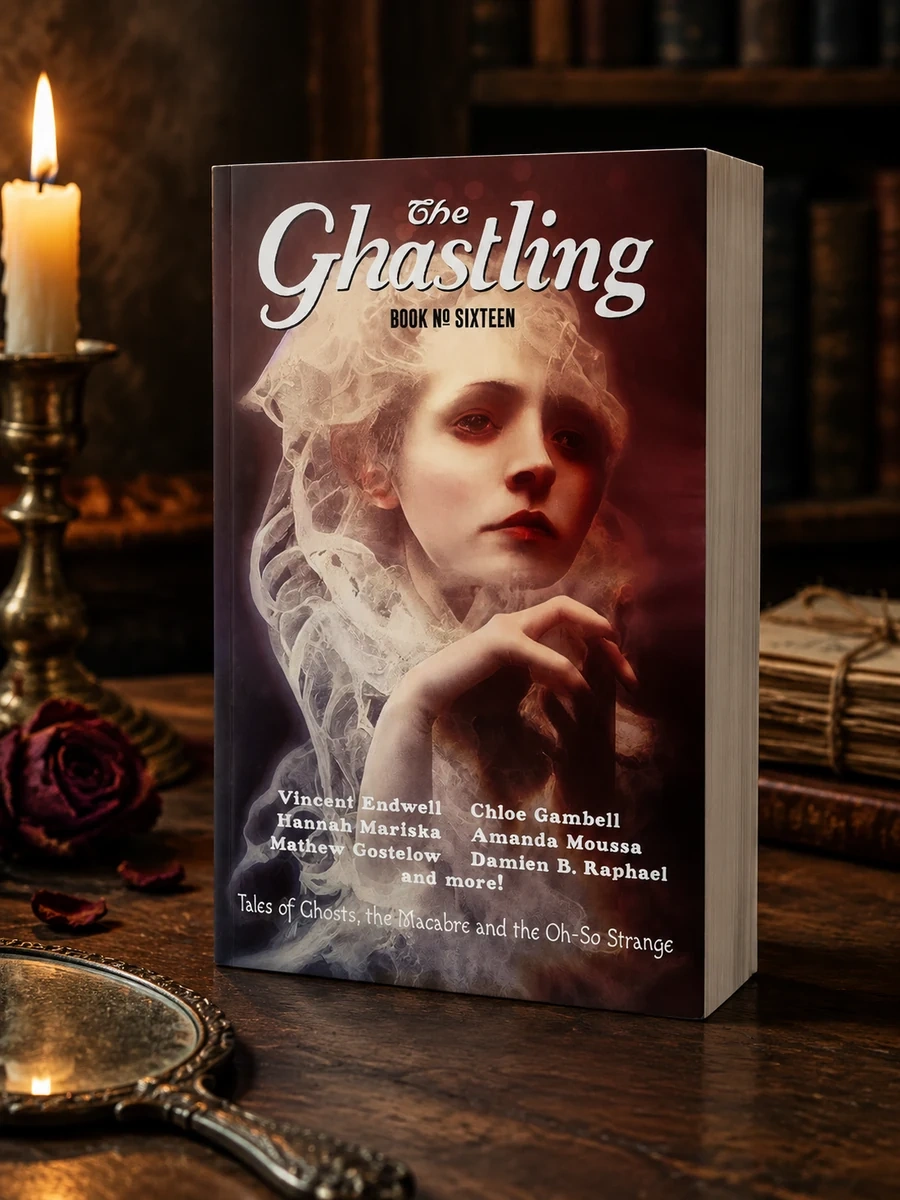
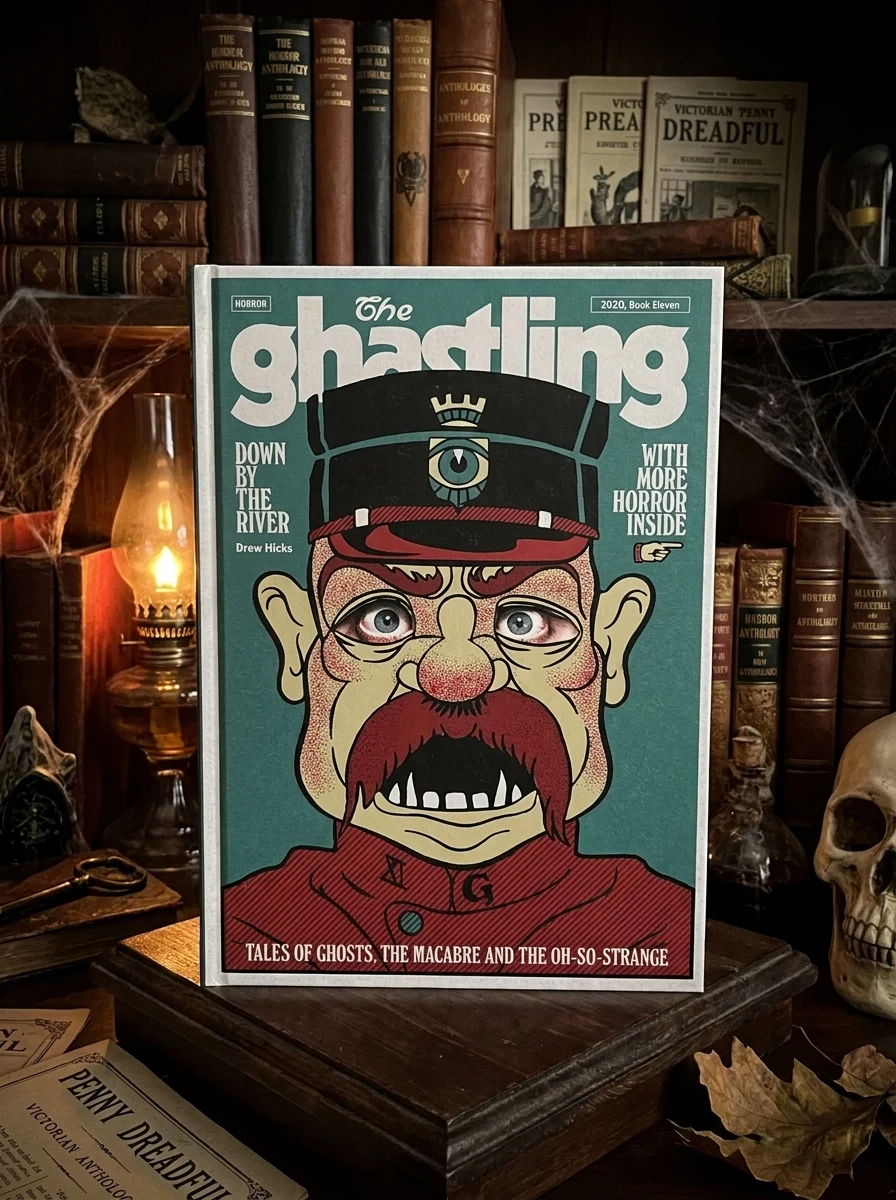
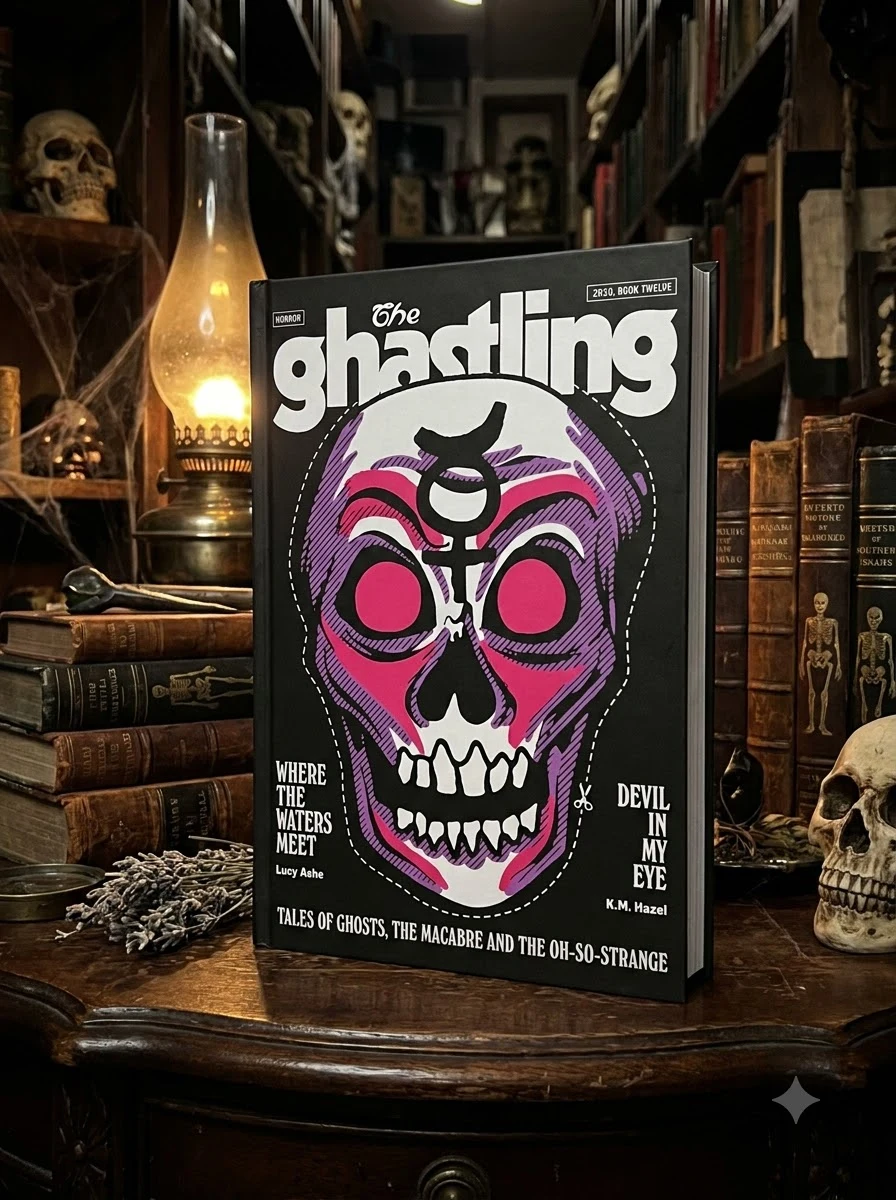
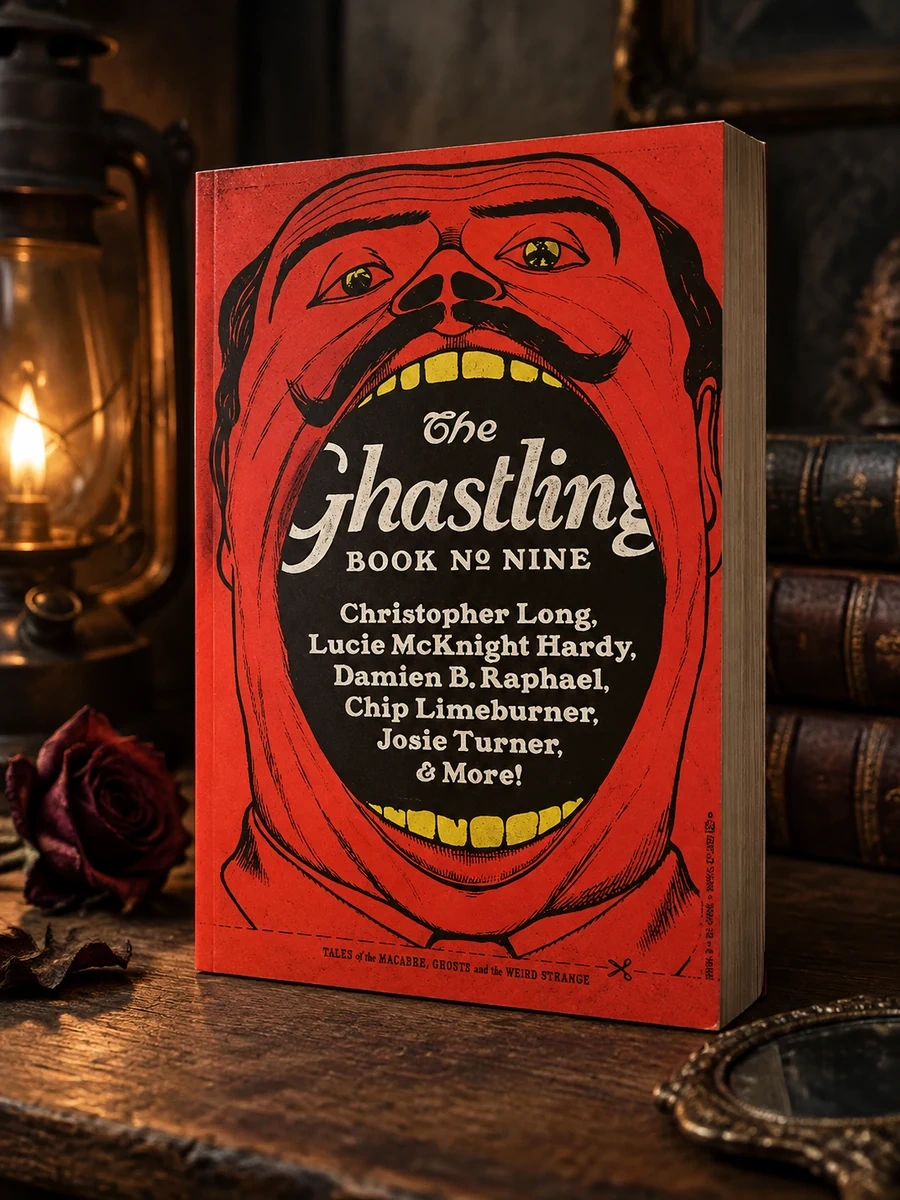
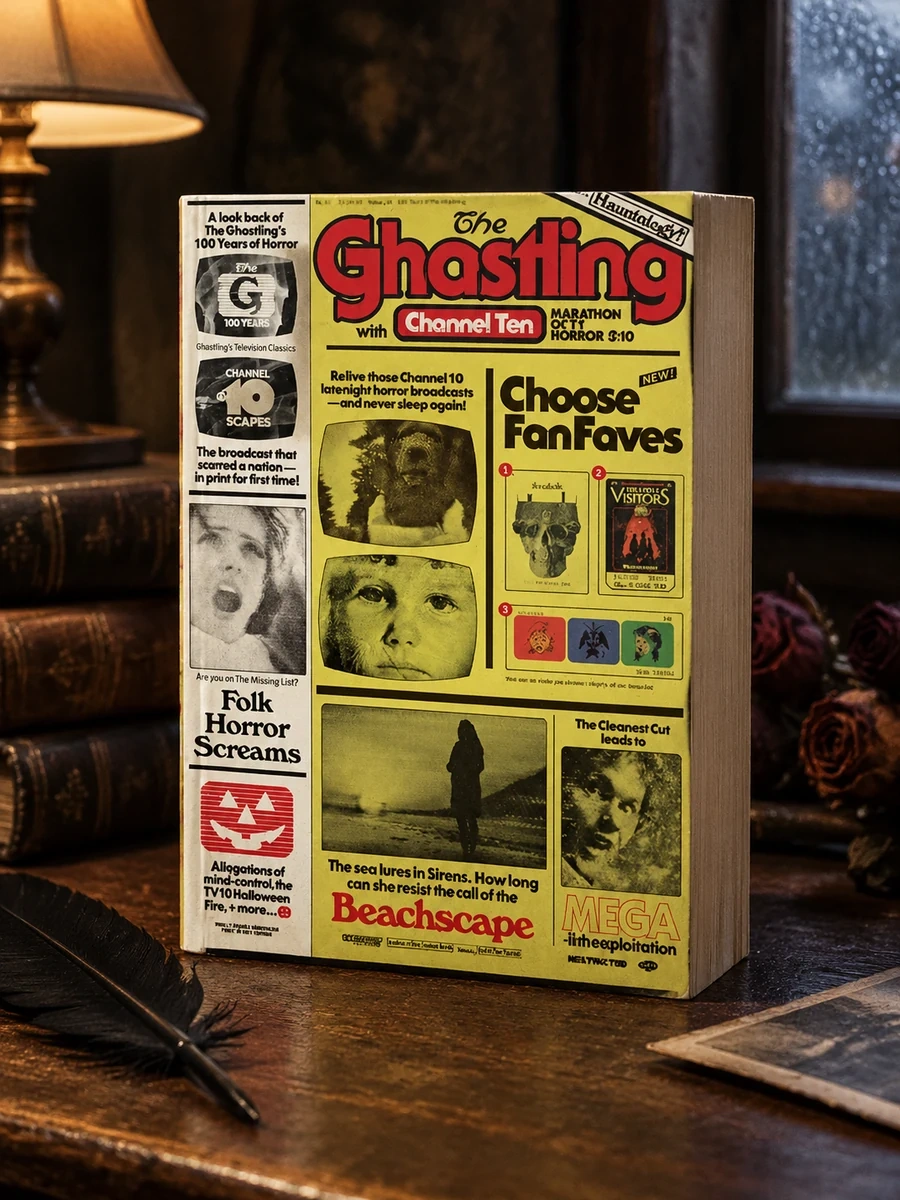
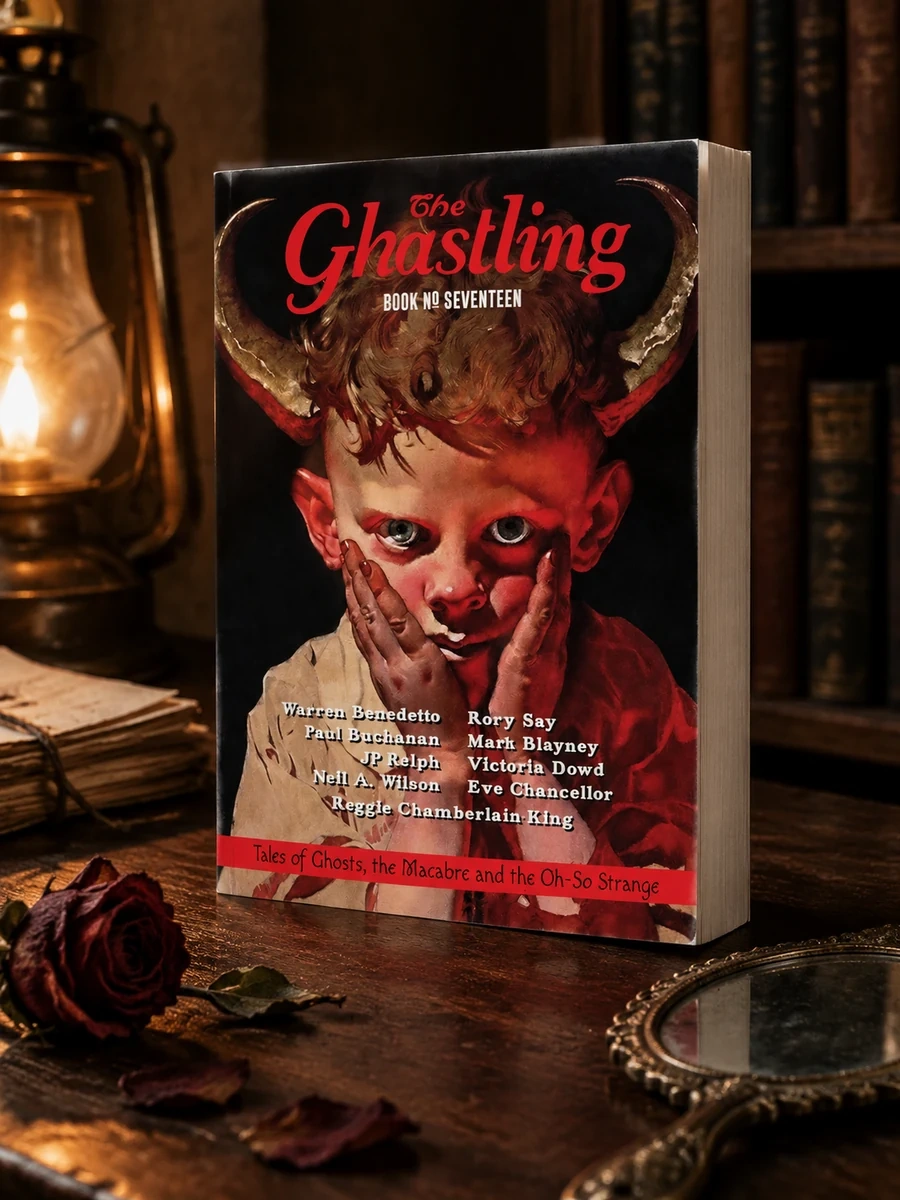
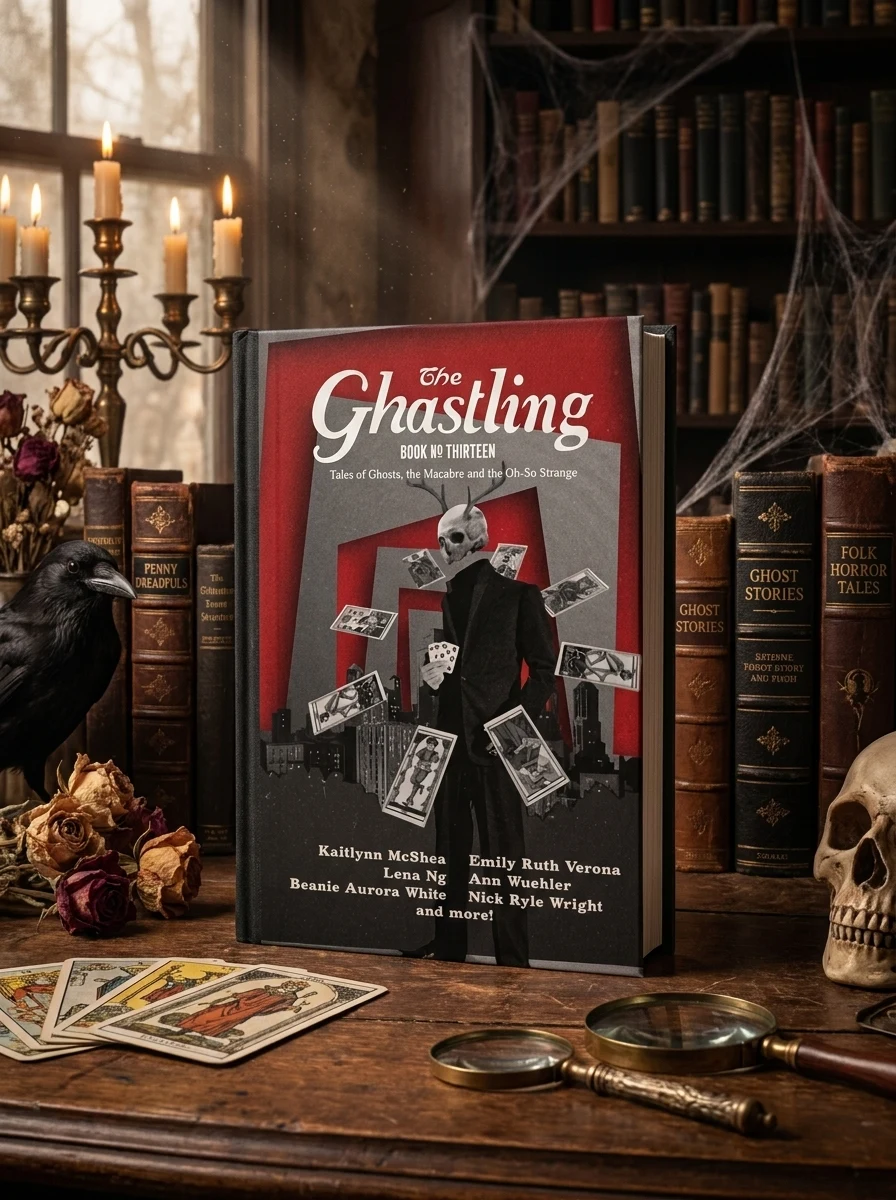
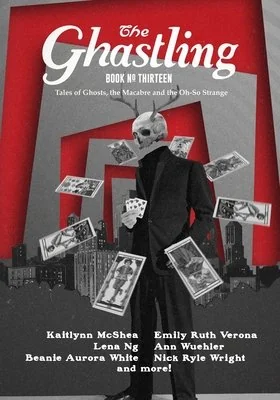
This volume functions as a periodical rather than a standard novel. Parfitt utilizes the structure of a magazine to present varied tales of the supernatural. The content draws heavily on folk horror traditions and ghost stories. The visual presentation is central to the experience, with illustrations supporting the narrative tone. The typography and design choices reference Victorian printing styles. This approach creates a cohesive aesthetic that unifies disparate stories. Readers encounter a mix of short fiction that prioritizes mood over plot resolution. The format allows for a diverse range of horror subgenres within one cover. It is an object designed for collectors and fans of the genre's history.
The work draws on the Victorian penny dreadful tradition to create a contemporary horror magazine. It bridges nineteenth-century serial fiction aesthetics with modern short story formats. The publication reflects a revival of interest in vintage print culture and its specific brand of supernatural dread.


📝 Description: The Ghastling: Book Thirteen
💎 Our verdict on The Ghastling: Book Thirteen
📖 Why choose it
Why this book is worth reading
Readers who appreciate the tactile aesthetic of vintage print media and traditional supernatural tales will find this volume particularly rewarding. It offers a cohesive experience for collectors and fans of horror history, bridging the gap between past and present storytelling methods through its unique magazine format. The book is ideal for those seeking mood over plot resolution, as it prioritizes atmosphere and dread within disparate short narratives. By utilizing Victorian printing styles and illustrations, it creates an immersive object that honors the genre's roots while addressing modern sensibilities. Those interested in folk horror, ghosts, and the macabre will enjoy the diverse range of voices presented within a single binding.
⭐ Reader reviews
Reader rating
Rebecca Parfitt successfully curates a collection that functions as both literature and artifact, embracing the structure of a periodical to present varied tales of the supernatural. The volume excels in its visual presentation, where illustrations and distinct typography reference Victorian styles to enhance the narrative tone. This approach unifies disparate stories under a cohesive aesthetic of dread and mystery, appealing strongly to readers who value historical authenticity and atmospheric storytelling. It suits those who enjoy folk horror and ghost stories without requiring fast-paced action or scientific explanations. The magazine format allows for diverse voices to coexist, making it a tangible piece of horror history that bridges old and new methods.