The Game We Don't Play Anymore
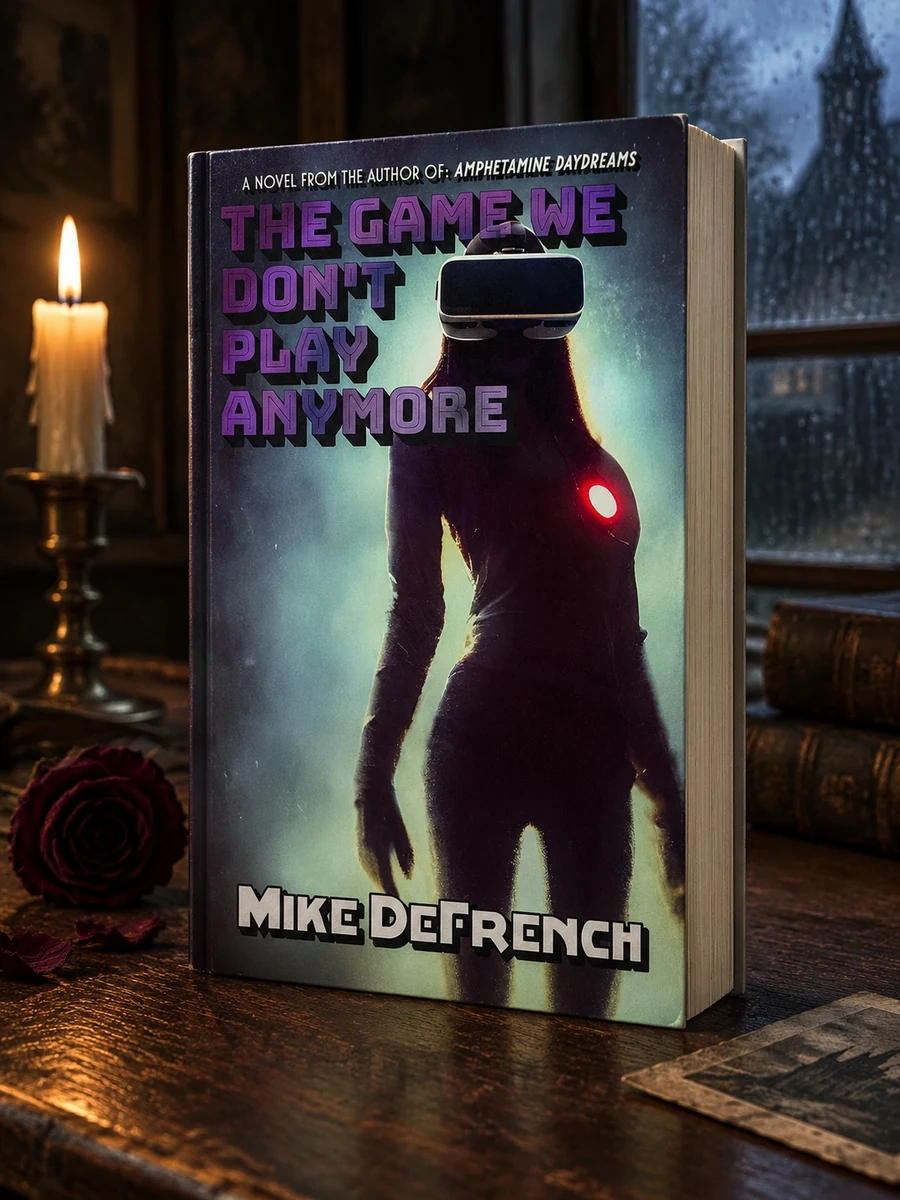
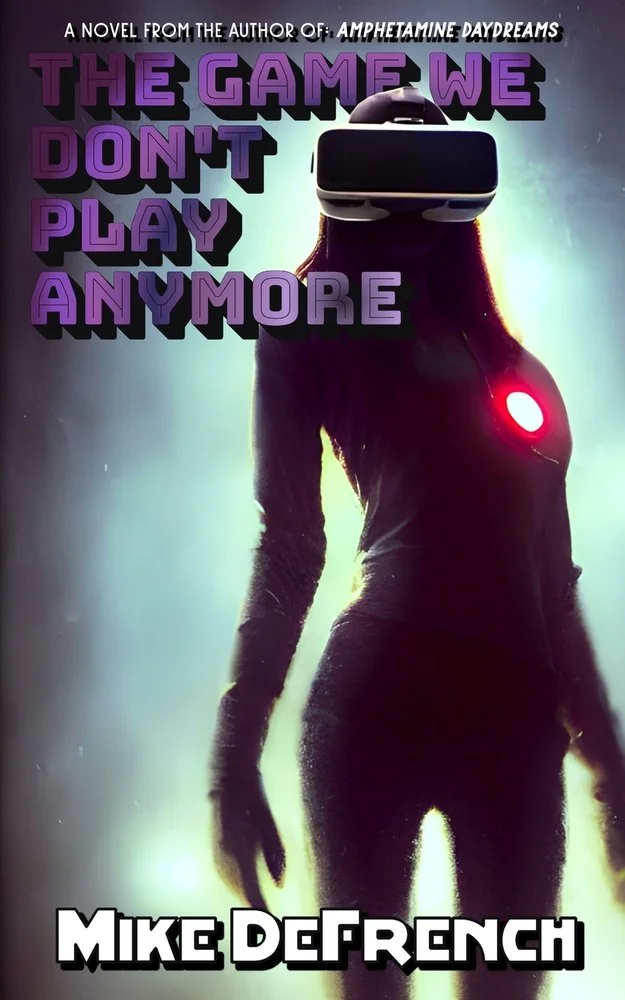
A VR game sends friends to Hell, leaving one girl haunted by what followed her back.
Defrench explores the consequences of invasive virtual reality through Camille’s perspective. The plot focuses on the aftermath of a hosting session rather than the mechanics of the game itself. Psychological tension replaces traditional jump scares as the protagonist deals with paranoia and unseen threats. The narrative structure mirrors the disorientation of its characters, blurring lines between memory and nightmare. This approach creates a sense of unease that persists long after the initial shock.
The novel sits within contemporary young adult horror, blending sci-fi concepts with gothic traditions. It references Inception for its dream-sharing premise and Philip K. Dick for reality twists. The setting is a modern high school, grounding the supernatural elements in familiar social dynamics.


📝 Description: The Game We Don't Play Anymore
💎 Our verdict on The Game We Don't Play Anymore
📖 Why choose it
Why this book is worth reading
Readers who enjoy the intersection of science fiction and supernatural horror will find this narrative compelling due to its focus on psychological disorientation rather than conventional action. It suits those interested in how invasive technology might unlock ancient evils or alter perception. Fans of stories where the boundary between memory and nightmare dissolves will appreciate the lingering unease created by the protagonist's paranoia. The book offers a unique perspective on the consequences of digital experiences, appealing to anyone who fears that some doors, once opened, cannot be closed, even when the screen goes dark.
⭐ Reader reviews
Reader rating
Defrench effectively merges high school thriller dynamics with cosmic horror elements, creating a tense atmosphere where reality bends under psychological pressure. The narrative succeeds by prioritizing internal dread over external jump scares, mirroring the protagonist's disorientation through its structure. While it may be too unsettling for those seeking straightforward romance or pure action, it rewards readers who enjoy questioning the nature of their own perceptions. The comparison to King’s school-based terror and Dick’s reality-bending twists highlights its strong thematic foundation. It is a solid entry for enthusiasts of tech-noir horror who prefer lingering psychological scars over immediate visceral shocks.