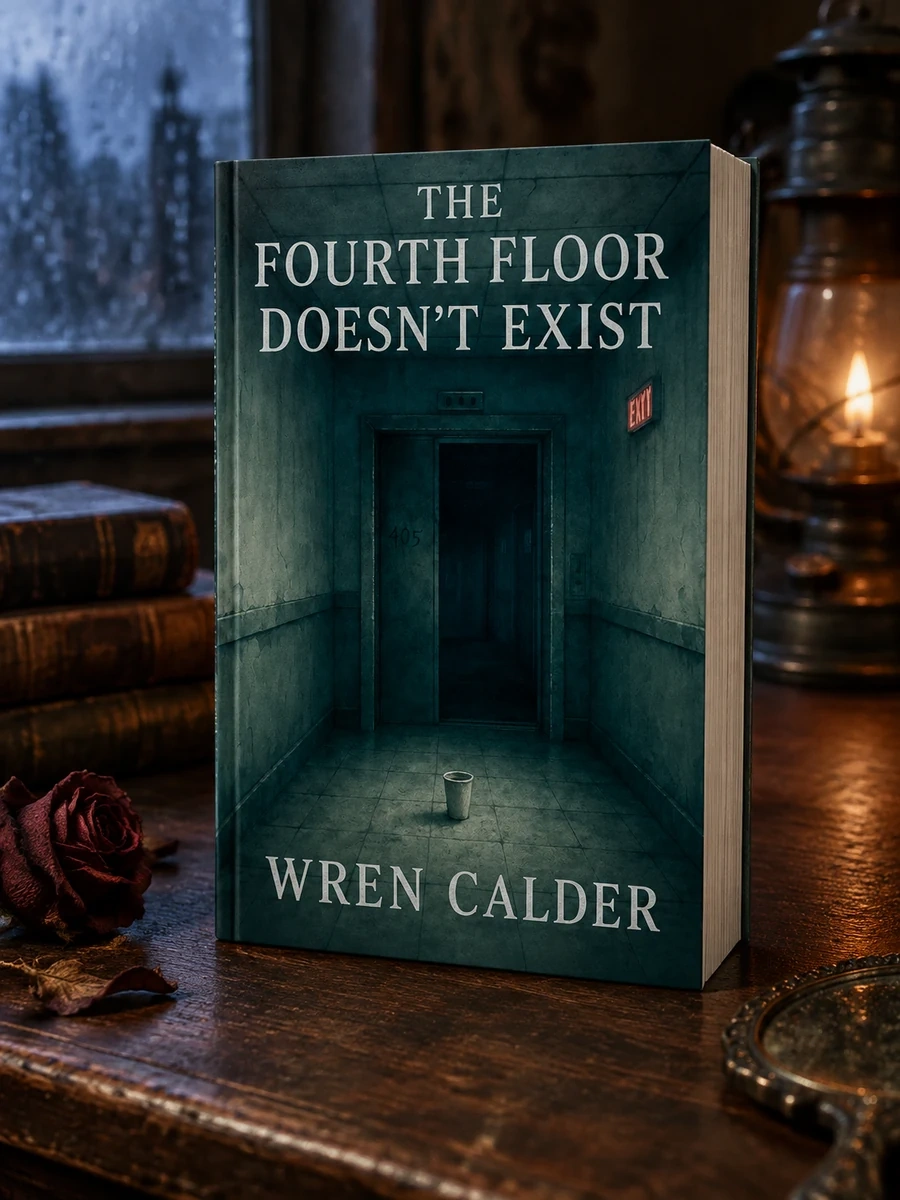
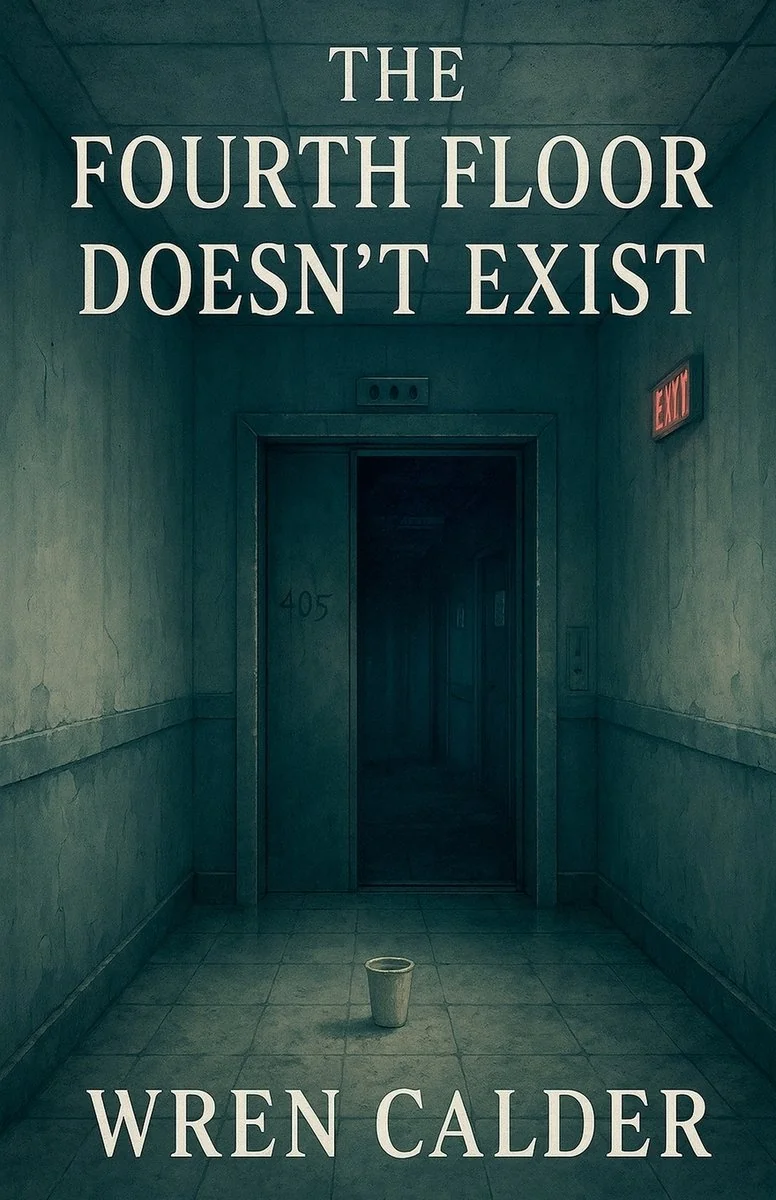
The Fourth Floor Doesn't Exist
A psychological horror novel about an intern discovering a hidden floor in a hospital.
Evelyn Carter joins Briar Hills General Hospital as an intern, expecting standard exhaustion. Instead, she finds a vibrating presence in the walls that staff ignore. Her curiosity leads her to a secret elevator button for a non-existent fourth floor. The space defies logic with its endless corridors and empty rooms. Evelyn hears whispers and witnesses patients disappearing without documentation. A blindfolded man who died long ago appears unexpectedly. The environment becomes increasingly hostile as reality warps around her. She must solve the mystery of the hidden floor to save herself. The story explores themes of institutional secrecy and psychological decay. It is not a tale of jump scares but of creeping dread. The narrative focuses on Evelyn's internal struggle as external facts become unreliable. Readers will follow her descent into a place where logic fails.
The Fourth Floor Doesn't Exist fits within the modern gothic and supernatural fiction genres. It draws on traditions of institutional horror and psychological thrillers. The setting of a general hospital provides a backdrop for exploring fear and isolation. Published in 2026, it continues the trend of slow-burn atmospheric dread.


📝 Description: The Fourth Floor Doesn't Exist
💎 Our verdict on The Fourth Floor Doesn't Exist
📖 Why choose it
Why this book is worth reading
Readers seeking a slow-burn descent into madness will find this narrative deeply compelling. It appeals to those who prefer atmospheric tension and sensory immersion over jump scares or clear resolutions. The story offers a unique examination of how isolation distorts perception, making it ideal for fans of psychological horror who enjoy unreliable narrators and eroding sanity. Those interested in the intersection of medical settings and cosmic dread will appreciate the intricate weaving of institutional secrecy with supernatural impossibility.
⭐ Reader reviews
Reader rating
Calder crafts an unsettling atmosphere where logic fails, relying on sensory details like sound and silence to build creeping dread. The narrative effectively mirrors Evelyn’s internal struggle as external facts become unreliable, creating a potent sense of claustrophobia. This approach suits readers who enjoy psychological tension and the erosion of sanity within gothic frameworks. However, those expecting fast-paced action or comforting endings may find the experience too unsettling. The book succeeds in its goal to immerse the reader in fear without offering easy answers, delivering a profound exploration of hidden histories and distorted perception through a chillingly realistic lens.
📖 Read on the blog
✍️ More books by this author Wren Calder


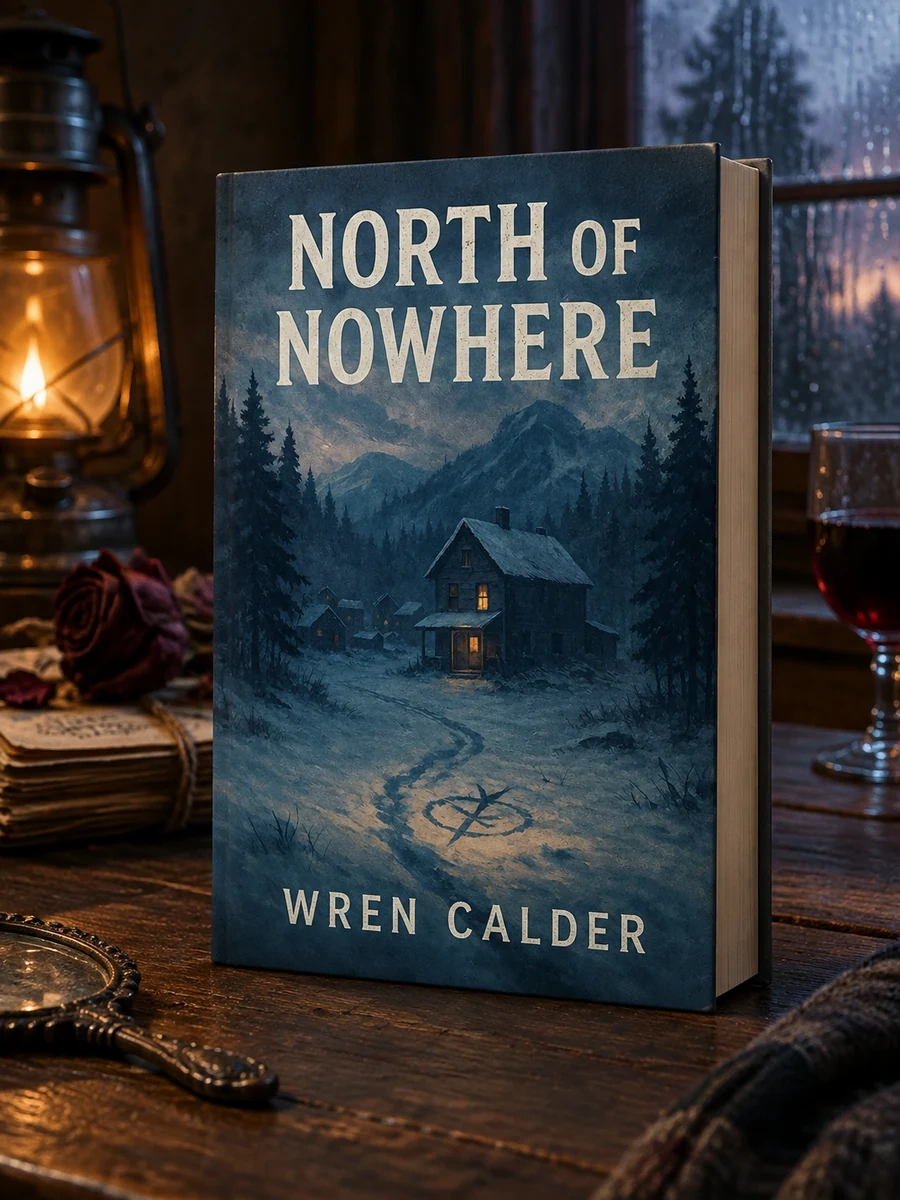
🏛 Books from this publisher Wren Calder
You might also like
See more →


Have a question about this item?
Ask about the edition, condition, delivery or anything else — we reply by email or phone, usually within a day.
