
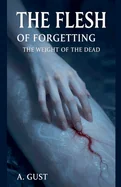
The Flesh of Forgetting: The Weight of the Dead
A hospital worker touches unclaimed corpses and inherits their memories as a spreading plague.
This narrative centers on the physical transmission of memory through touch. Renan handles bodies that have no one to claim them, absorbing their final experiences directly into his own flesh. The story treats this ability as a disease rather than a power. As the phantom sensations multiply across the urban landscape, the boundary between individual identity and collective history blurs. The text investigates how society deals with those who die without recognition. It asks whether forgetting is a mercy or a loss of essential human connection. The horror arises from the inescapable nature of biological memory. Renan must confront the reality that the flesh never truly lets go of its past.
Published in April 2026 by A. Gust, this work sits within the American horror fiction market. It engages with gothic traditions regarding the dead and supernatural elements of bodily inheritance. The setting relies on public hospital infrastructure to ground its speculative premise.


📝 Description: The Flesh of Forgetting: The Weight of the Dead
💎 Our verdict on The Flesh of Forgetting: The Weight of the Dead
📖 Why choose it
Why this book is worth reading
Readers seeking a profound exploration of the physical weight of history will find this narrative compelling. It appeals to those interested in how society handles the unclaimed dead and the ethical implications of forgetting. The book offers a unique perspective on identity, suggesting that the body retains a tragedy long after consciousness fades. It is ideal for individuals who prefer slow-burning dread over jump scares and enjoy stories where the horror arises from the inescapable nature of biological memory. Those fascinated by the intersection of psychology and cosmic horror will appreciate the blurring of personal trauma and societal crisis.
⭐ Reader reviews
Reader rating
This volume excels in its visceral depiction of phantom sensations, transforming the act of touching remains into a spreading contagion that challenges the reader's sense of self. A Gust effectively grounds abstract philosophical questions about memory and identity in the grim reality of hospital work. The narrative structure successfully escalates from individual trauma to a broader societal crisis, maintaining a consistent tone of existential dread. It suits readers who appreciate atmospheric horror over action, offering a haunting meditation on how biological matter serves as an archive of tragedy. The focus on the unclaimed dead provides a poignant critique of social neglect.
📖 Read on the blog
✍️ More books by this author A Gust




🏛 Books from this publisher A. Gust
You might also like
See more →



Have a question about this item?
Ask about the edition, condition, delivery or anything else — we reply by email or phone, usually within a day.
