The First
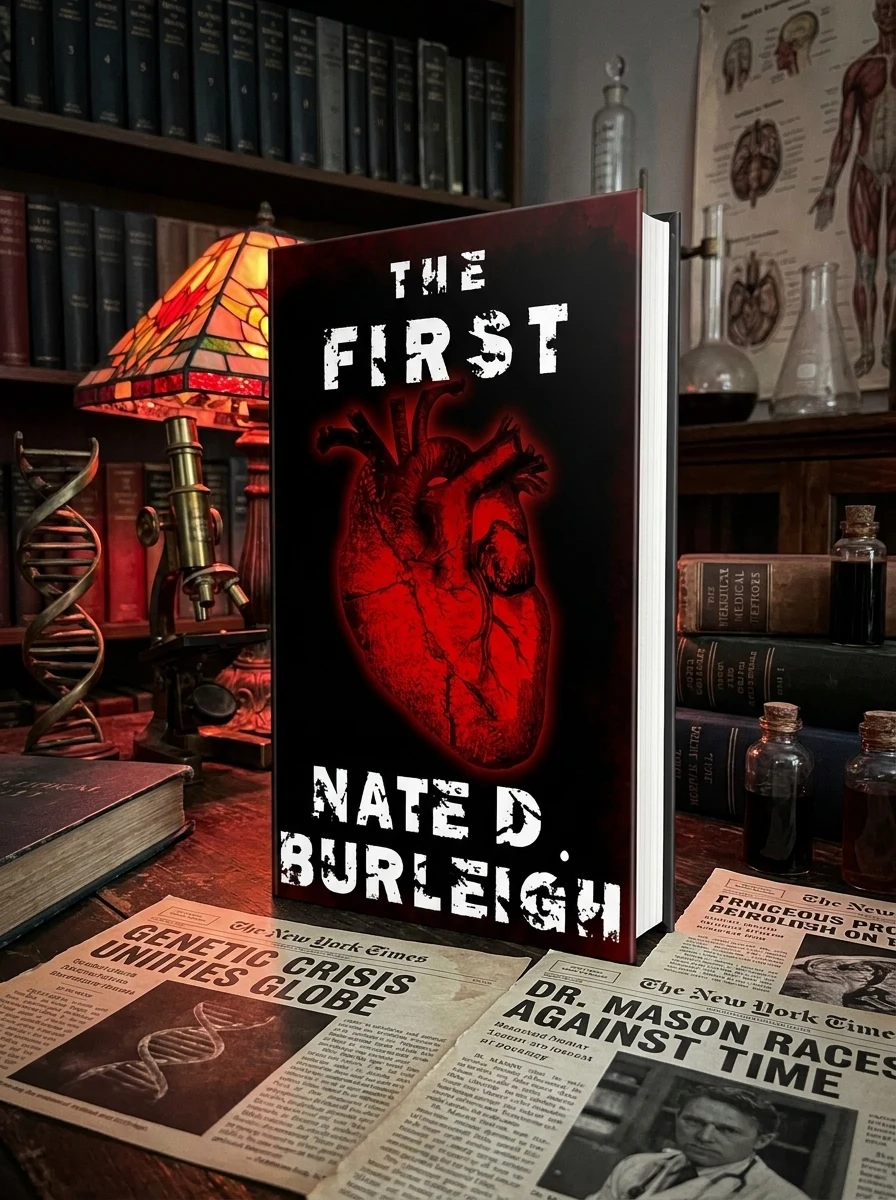
A geneticist races to stop a mutation causing infants to crave human flesh.
The narrative focuses on Dr. Alexa Mason’s scientific investigation into a worldwide genetic shift. Newborns exhibit a third marker that triggers an intense hunger for human meat. Burleigh structures the plot around her attempt to reverse this change before civilization falls. The work emphasizes the clinical aspect of the horror rather than supernatural elements. It presents a scenario where biology becomes the primary source of dread. The author uses the figure of a renowned scientist to ground the fantastical premise in a sense of plausible danger. The tension arises from the urgency of the research and the horrifying nature of the symptom.
This work sits within the modern scientific horror tradition, published by Page After Page Press in 2014. It reflects contemporary anxieties about genetic engineering and biological threats facing global society.


📝 Description: The First
💎 Our verdict on The First
📖 Why choose it
Why this book is worth reading
Readers who crave visceral, high-stakes scientific mysteries will find this title compelling due to its focus on biological horror rather than supernatural elements. Fans of fast-paced thrillers that ground fantastical premises in plausible danger will appreciate the urgent race against time. Those interested in the intersection of clinical research and primal fear will enjoy the tension between medical science and the terrifying symptoms of the mutation. It offers a concise, intense exploration of a singular premise without bogging down in excessive world-building or philosophical tangents.
⭐ Reader reviews
Reader rating
Burleigh excels at creating immediate dread through the lens of genetic anomaly, effectively grounding the horror in clinical realism. The narrative successfully balances the urgency of Dr. Mason’s research with the visceral terror of the infants’ condition, maintaining tension throughout. It suits readers who prefer biological horror and thriller genres over slow-burn gothic atmospheres. By avoiding academic citations or detailed structural breakdowns, the book remains an accessible, fast-paced read. The unresolved ending leaves stakes high, appealing to those who enjoy suspenseful scientific mysteries that prioritize narrative momentum over exhaustive exposition.
You might also like
See more →







Have a question about this item?
Ask about the edition, condition, delivery or anything else — we reply by email or phone, usually within a day.
