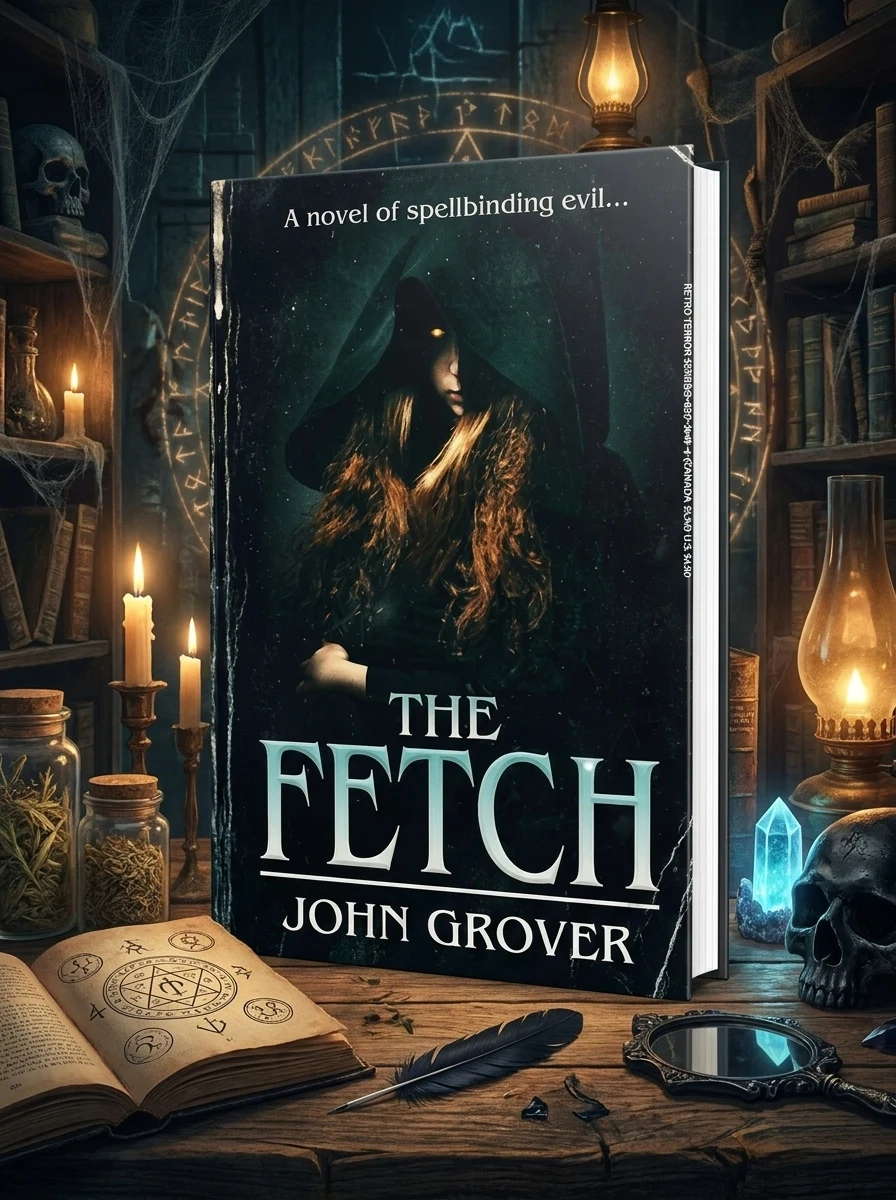
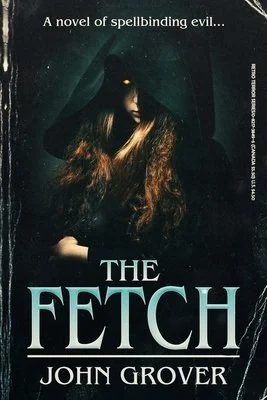
The Fetch (The Retro Terror Series #1)
A novel about two sorcerers clashing over the summoning of a powerful evil entity.
Jake and Isabelle engage in a war defined by their magical alignments. His commitment to good magic contrasts sharply with her use of black magic for personal bidding. The turning point arrives when she calls forth the Fetch, an entity of immense malevolent power. This action shifts the conflict from a simple duel to a complex struggle involving deception and control. The text examines the limits of containing evil through character interactions rather than abstract theory. It appeals to those who enjoy the specific flavor of late twentieth-century television horror. The narrative does not offer easy answers regarding trust or morality in the face of such power.
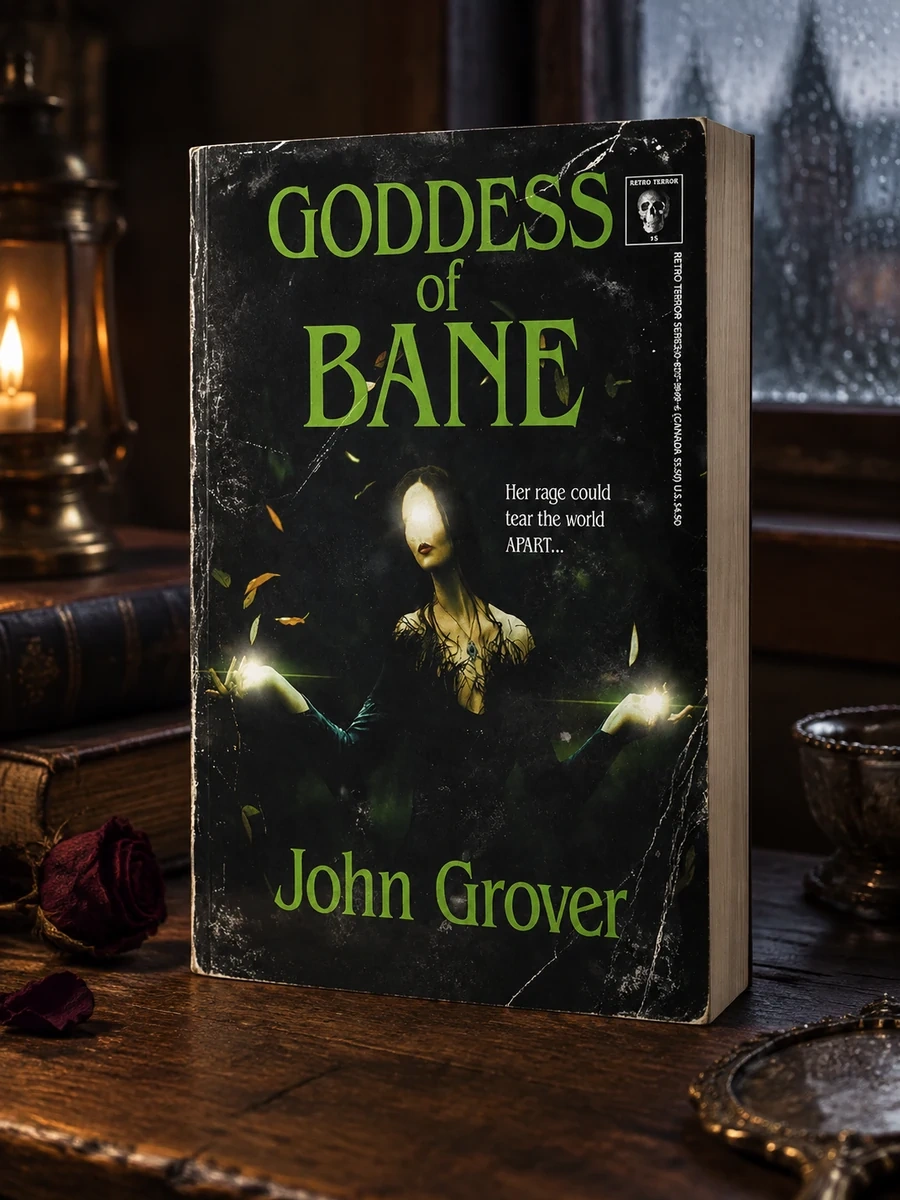
The book operates as a pulpy, campy homage to made-for-television horror movies from the 1970s and 1980s. It integrates themes of Satanic Panic into its supernatural narrative structure.


📝 Description: The Fetch (The Retro Terror Series #1)
💎 Our verdict on The Fetch (The Retro Terror Series #1)
📖 Why choose it
Why this book is worth reading
This book is ideal for readers seeking a distinct departure from straightforward fantasy, offering instead a nostalgic dive into the specific flavor of retro terror. Those who appreciate the unique stylistic foundation of late twentieth-century television horror will find value in its pulpy and campy tone. The narrative appeals to individuals interested in exploring the limits of containing evil through character interactions rather than abstract theory. It is particularly suited for fans of genre blending who enjoy examining trust and morality when powerful sorcerers collide. By focusing on character dynamics and the clash of opposing magical forces, the story provides a compelling experience for those who want to see how death serves as a reprieve in an unwavering battle against unimaginable evil.
⭐ Reader reviews
Reader rating
Grover successfully establishes a unique stylistic foundation by reimagining the clash of opposing magical forces through a nostalgic lens. The narrative excels in its homage to vintage television aesthetics, capturing the campy and pulpy essence of 1970s and 1980s horror without relying on modern tropes. The contrast between Jake’s good magic and Isabelle’s black magic creates a compelling dynamic that drives the plot forward with engaging tension. While the story does not offer easy answers regarding trust or morality, it effectively questions whether real evil can ever be truly contained. This volume is best suited for readers who appreciate supernatural fiction blended with retro sensibilities, offering a distinct experience that prioritizes character interactions and genre homage over conventional fantasy structures.