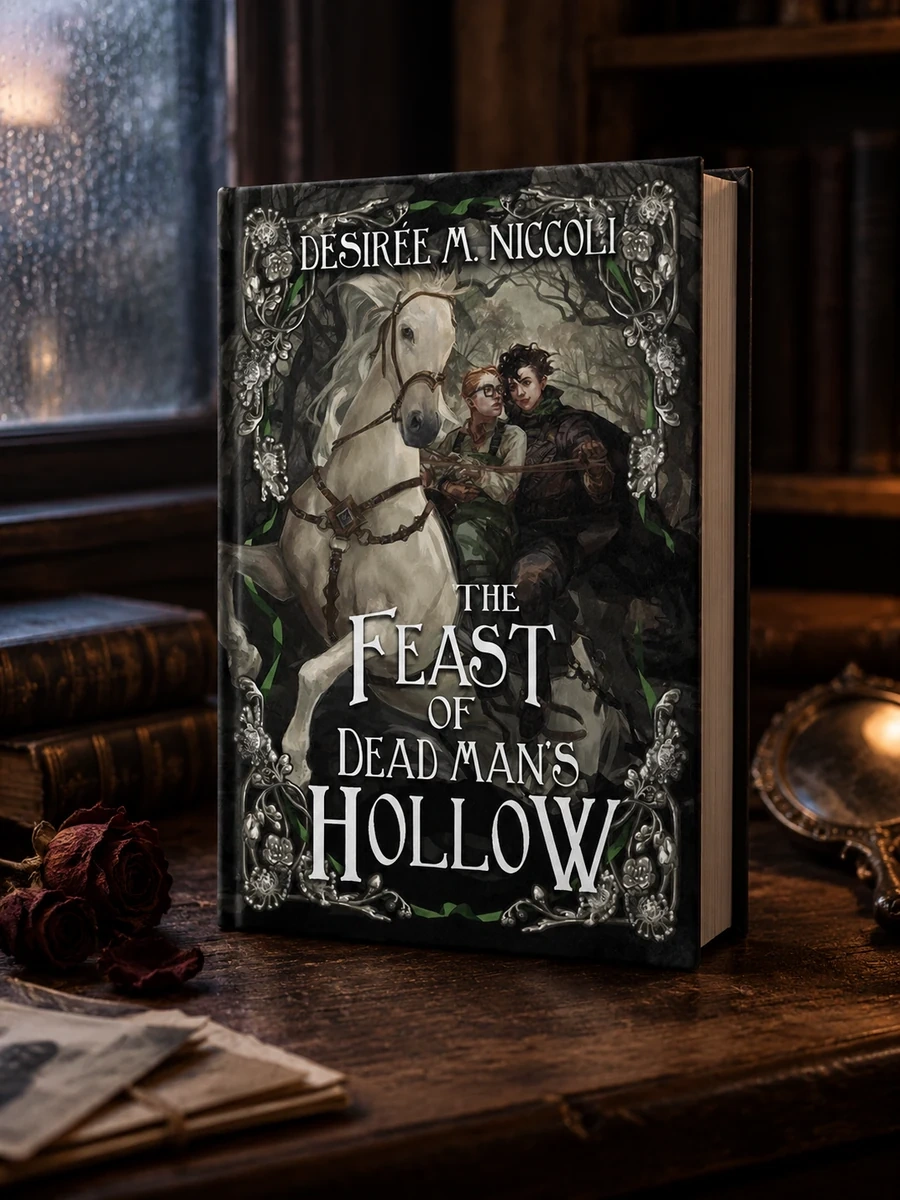
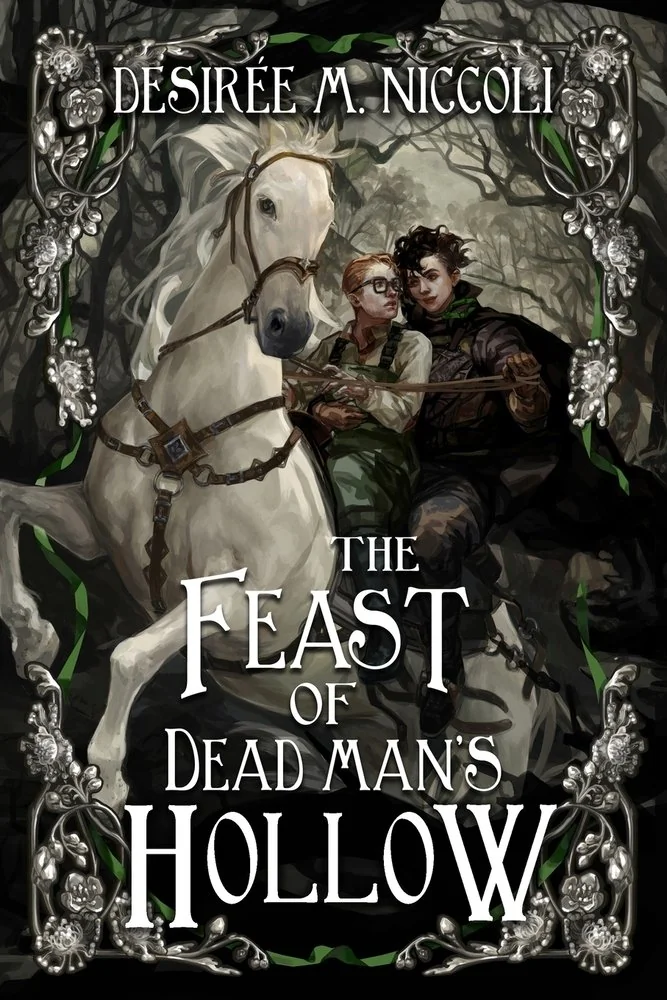
The Feast of Dead Man's Hollow
A woman hides a dark secret while saving a man trapped in a bog.
The narrative focuses on the intersection of environmental protection and personal secrecy. Theodore attempts to stop construction but ends up mired in the very place he seeks to save. Ardruina intervenes, driven by charm rather than duty. Their interaction reveals complex emotional layers as she balances her desire for connection against the risk of exposure. The plot hinges on her difficult choice between maintaining her anonymity and ensuring his survival. This structure creates immediate tension and drives the supernatural elements forward through character decisions rather than external exposition.
This is a modern supernatural fiction work published in 2025 by Desiree M. Niccoli. It draws on gothic traditions of hidden secrets and natural settings like bogs to create tension. The story blends contemporary threats of commercial development with timeless magical realism, appealing to fans of atmospheric horror and romantic suspense.


📝 Description: The Feast of Dead Man's Hollow
💎 Our verdict on The Feast of Dead Man's Hollow
📖 Why choose it
Why this book is worth reading
Readers who appreciate the intersection of gothic atmosphere and psychological tension will find this narrative compelling. The story appeals to those interested in supernatural romance where emotional stakes are as high as physical danger. It suits fans of environmental horror who enjoy seeing nature act as both setting and antagonist. The focus on character-driven decisions rather than exposition makes it engaging for readers tired of passive protagonists. Those who enjoy complex moral dilemmas involving hidden truths and the risk of exposure will find the central conflict gripping. The blend of charm, flirtation, and dread offers a unique emotional layer distinct from standard horror tropes.
⭐ Reader reviews
Reader rating
Niccoli crafts a tense supernatural tale where the bog serves as more than mere backdrop; it is an active participant in the drama. The narrative effectively uses Theodore’s entrapment to force Ardruina into difficult choices, highlighting her internal conflict between connection and self-preservation. The tone balances gothic dread with moments of intimate character development, avoiding exposition dumps in favor of immediate stakes. This approach creates a visceral sense of urgency. While it may not satisfy those seeking lighthearted escapism or purely historical accuracy without magic, it excels for fans of atmospheric horror. The emotional complexity elevates the standard rescue trope into something darker and more nuanced.
You might also like
See more →







Have a question about this item?
Ask about the edition, condition, delivery or anything else — we reply by email or phone, usually within a day.
