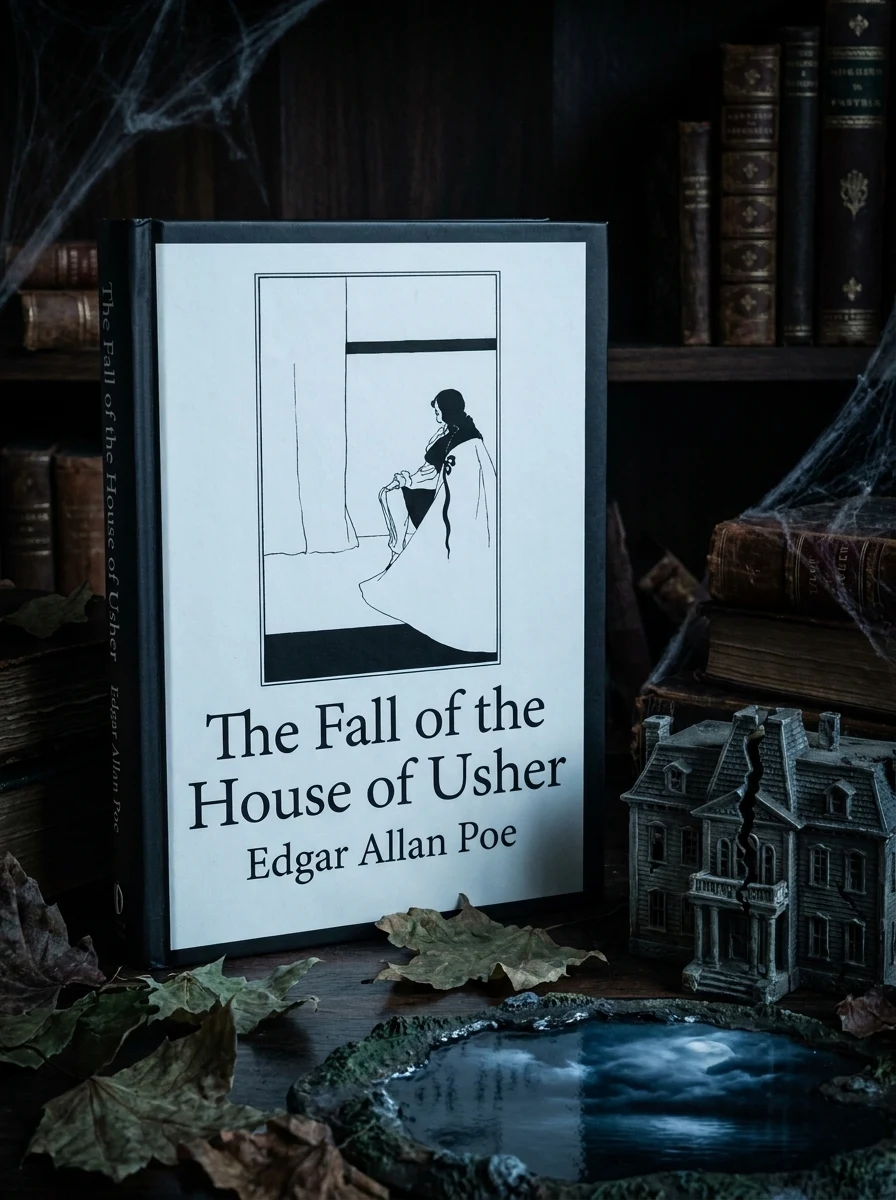
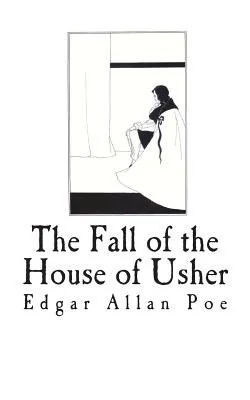
The Fall of the House of Usher
A gothic tale of twin siblings succumbing to illness in a decaying mansion.
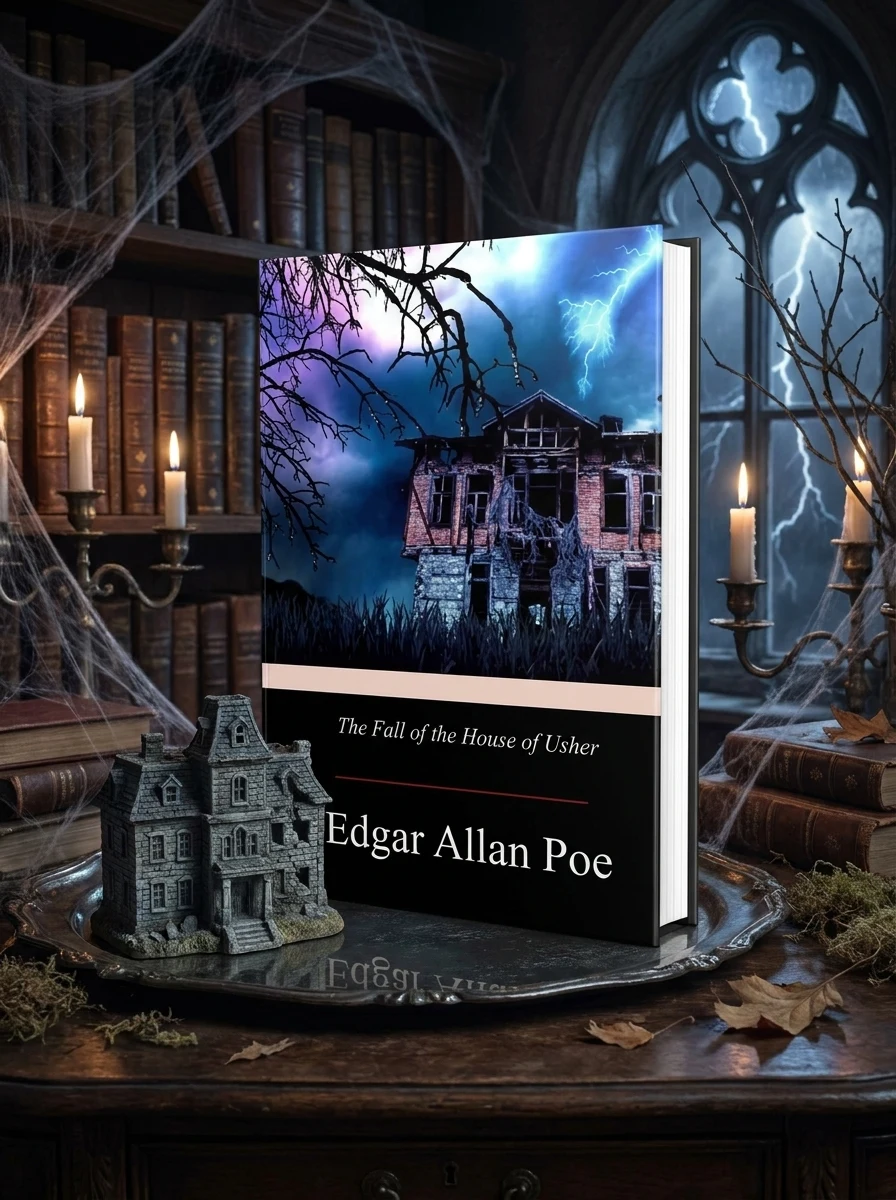
The narrative follows an unnamed visitor who arrives at the Usher estate to help Roderick. The house shows visible signs of structural failure, mirroring the family's decline. Roderick suffers from sensory overload and health anxieties. His sister Madeline falls into deathlike states. The story explores their isolation and the crumbling lineage of the Usher family through a lens of psychological distress rather than traditional ghost stories.
First published in 1839, this short story emerged before modern psychological science existed. It draws on early American gothic traditions to depict mental states like hyperesthesia and hypochondria. The work reflects nineteenth-century literary interests in the intersection of physical environment and mental health.


📝 Description: The Fall of the House of Usher
💎 Our verdict on The Fall of the House of Usher
📖 Why choose it
Why this book is worth reading
Readers with an interest in the genealogical roots of horror fiction will find this narrative deeply rewarding for its exploration of psychological distress over traditional ghostly tropes. It is particularly suited for those who appreciate detailed analysis of mental states, such as hyperesthesia and hypochondria, within a supernatural context. The book offers a unique lens through which to view the origins of modern horror traditions, focusing on the oppressive atmosphere of isolation and the crumbling lineage of its characters rather than fast-paced action or contemporary settings.
⭐ Reader reviews
Reader rating
Poe delivers a chilling narrative that meticulously examines Roderick Usher’s extreme sensory sensitivities and his twin sister’s deathlike trances. The text excels in creating an oppressive atmosphere where the physical decay of the mansion mirrors the family’s decline. It is best suited for students studying horror origins or readers who prefer psychological depth over action. While it may not appeal to those seeking contemporary settings, its enduring value lies in its pioneering use of medical terminology to describe supernatural dread, making it a vital study in Gothic fiction.