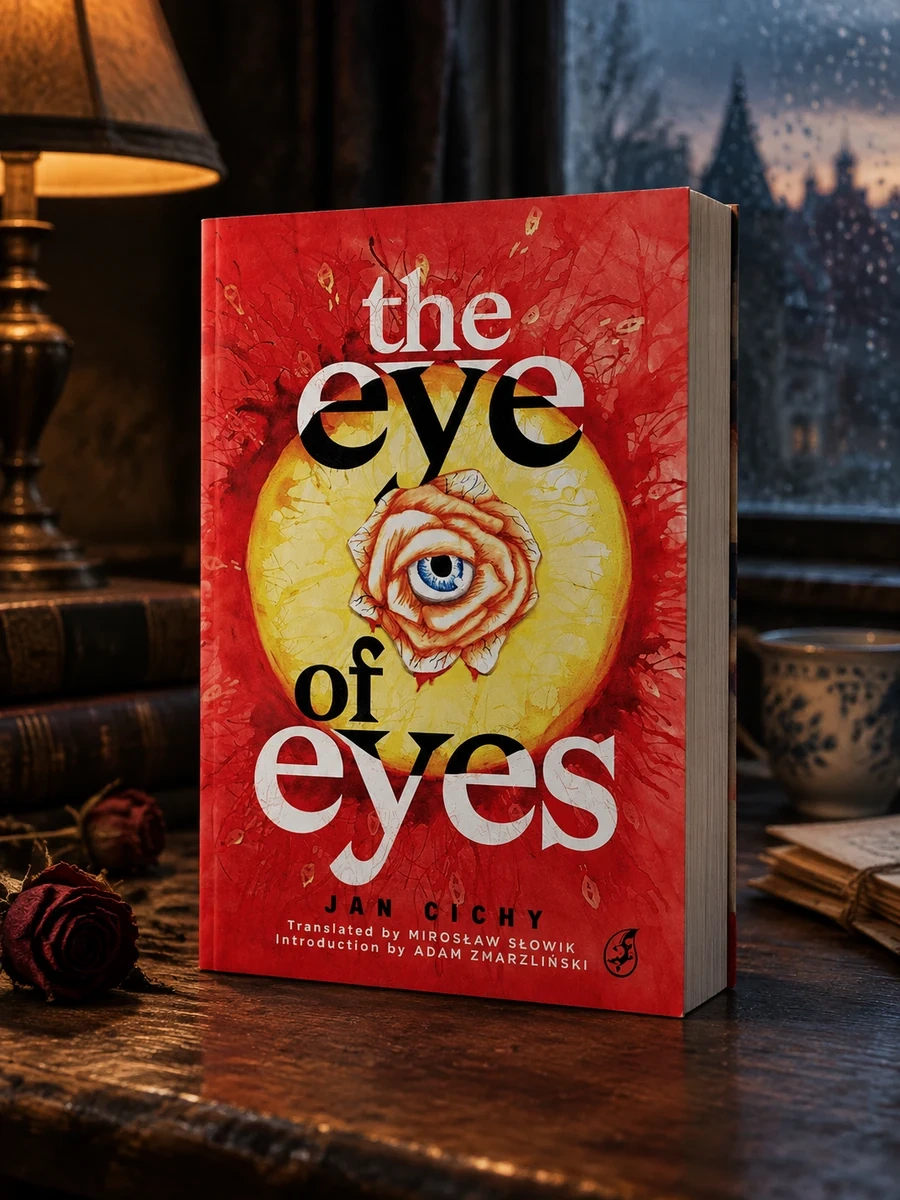
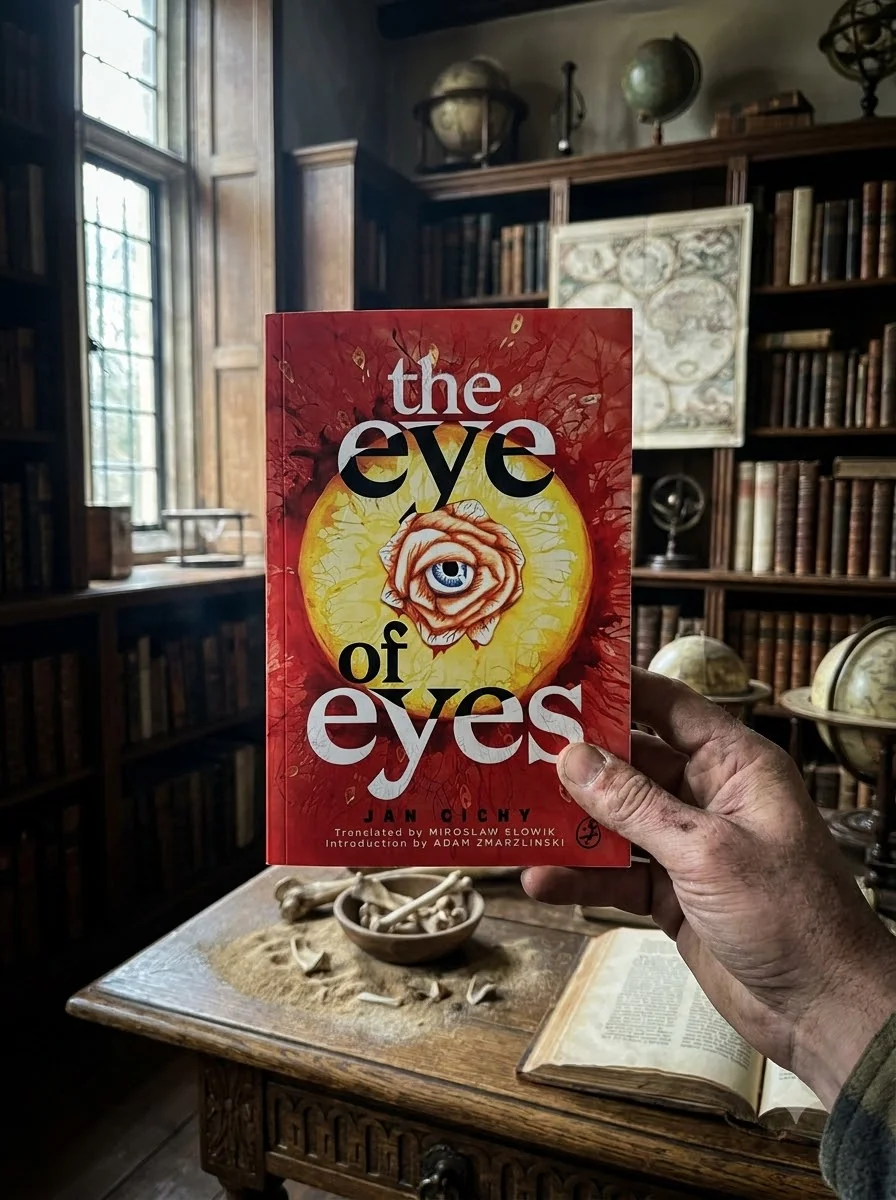
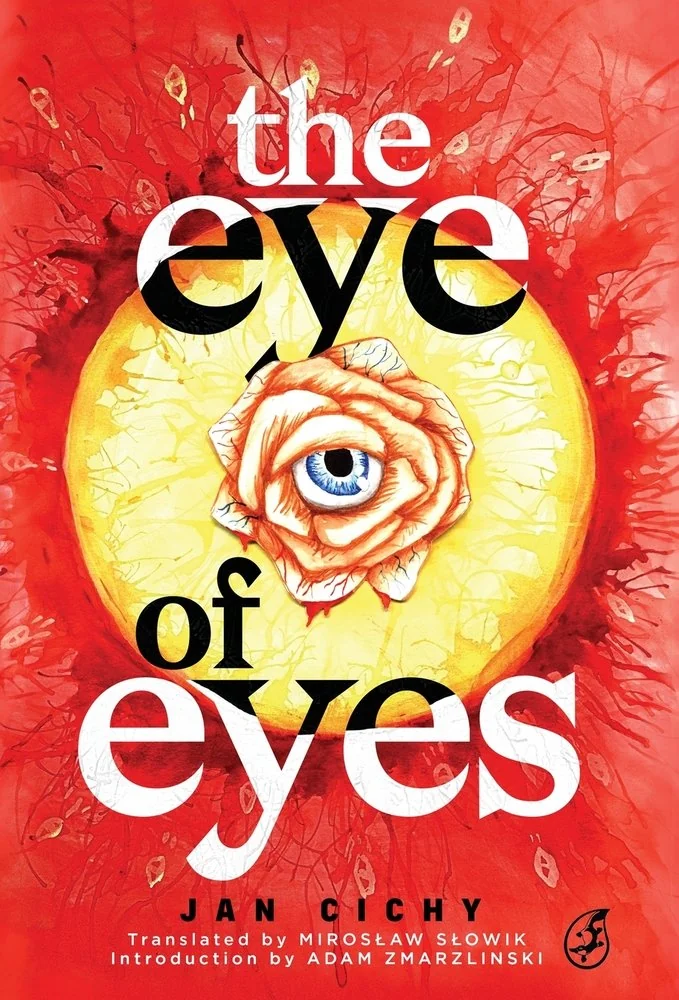
The Eye of Eyes
A recovered manuscript detailing an inventor's sanity-shattering global voyage.
The story begins with Cichy leaving England in February 1901 for a latitudinal circumnavigation. His return to London marked by dishevelment and impending madness sets the tone for the subsequent events. Prof. Michal Nowak, a friend of Cichy, receives a parcel from Oman containing bone fragments and sand alongside the manuscript. The text describes what happened to Cichy during his voyage before he disappeared entirely. The manuscript sat unread at the Jagiellonian University Library in Poland until World War II caused it to vanish. It was later found in a secret home of a high-ranking Nazi officer along with other stolen treasures. This edition provides the first English translation of that specific text.
This work originates from early twentieth-century Poland and England, reflecting the era's interest in exploration and the occult. It bridges the gap between Victorian scientific inquiry and modern horror traditions through its presentation of a recovered historical document.


📝 Description: The Eye of Eyes
💎 Our verdict on The Eye of Eyes
📖 Why choose it
Why this book is worth reading
This volume serves readers who crave the visceral impact of psychological horror intertwined with the eerie atmosphere of gothic fiction. It is ideal for those who appreciate obscure, translated works that explore the limits of human endurance and sanity. By presenting a recovered manuscript from a historical figure's sanity-shattering voyage, it offers a stark record of mental decay rather than conventional adventure. Fans of cosmic horror and dark fantasy will find value in its grim perspective on exploration gone wrong. The book appeals to those who enjoy narrative structures based on personal correspondence and recovered documents, providing a unique lens into early twentieth-century fears and the terrifying unknowns of global travel.
⭐ Reader reviews
Reader rating
The text succeeds as a chilling account of psychological unraveling, drawing heavily on the tension between historical documentation and supernatural dread. It effectively utilizes the framing device of a recovered manuscript to enhance its eerie tone, making it particularly suitable for enthusiasts of gothic fiction and psychological horror. The narrative’s focus on sanity-shattering experiences over adventure makes it a compelling choice for readers seeking grim, atmospheric storytelling rather than happy endings. Its organization around chronological events aids immersion, while the obscure nature of the source material adds an layer of authenticity that appeals to fans of true crime and dark fantasy who appreciate the intersection of reality and nightmare.
You might also like
See more →







Have a question about this item?
Ask about the edition, condition, delivery or anything else — we reply by email or phone, usually within a day.
