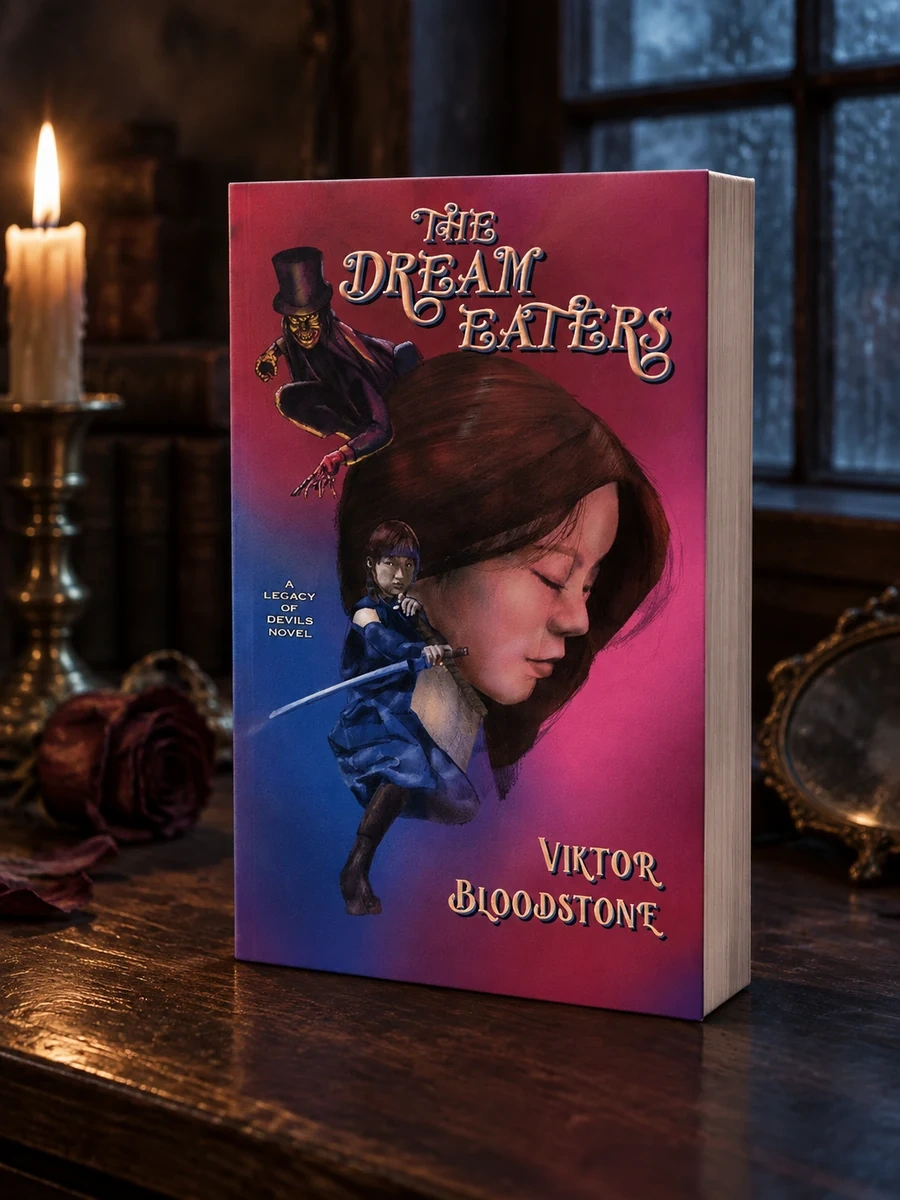
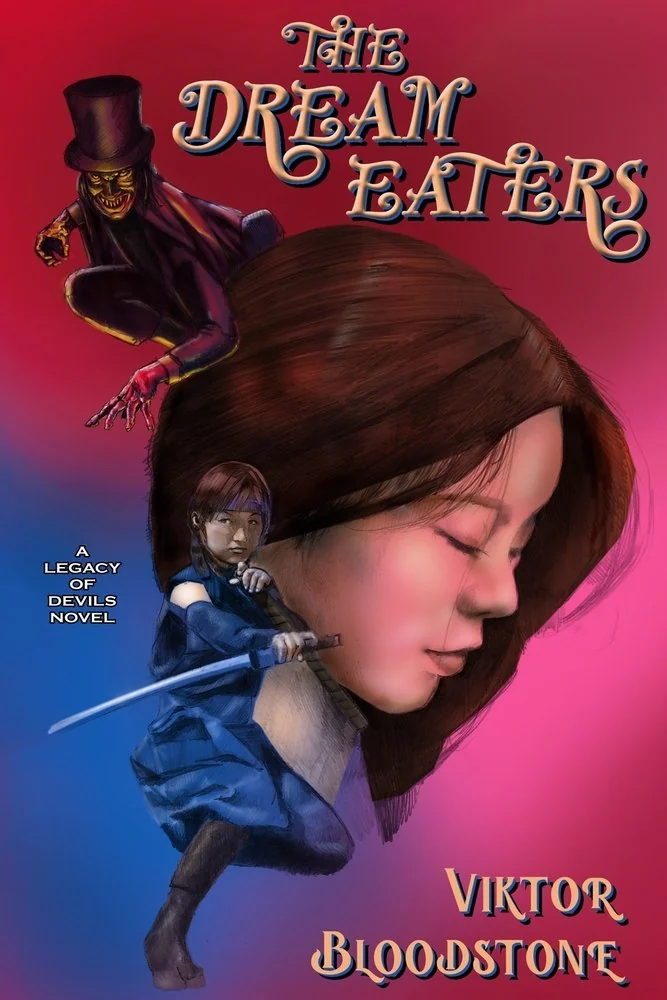
The Dream Eaters
A college student kills bad people in their dreams while her ninja mother disapproves.
Yume Dangan operates as a dream-based vigilante, removing dangerous individuals from existence within their sleep. She justifies these acts by claiming they protect the innocent from those who escape legal consequences. Her academic background in psychology informs her view that some people suffer from incurable moral sicknesses. Billy supports her efforts, though their relationship faces scrutiny from Shinko Dangan. Shinko condemns Yume’s actions while secretly working as a paid assassin. She argues that youth prevents proper judgment of life and death matters. However, her training of Aika undermines this argument about maturity. Maya enters the story as a weapon for Picasso, a mobster. Her actions include killing families of Yume’s targets, which suggests deep malice. Shinko defends Maya and accuses Billy of wrongdoing. This discrepancy creates doubt about who truly controls the violence. The narrative investigates whether vengeance can ever be pure when fueled by personal bias and hidden agendas.
The story is set in a contemporary American context where college life intersects with supernatural criminal underworlds. It blends modern psychological concepts with traditional ninja assassin tropes. The narrative reflects current anxieties about moral ambiguity and the reliability of authority figures within families.


📝 Description: The Dream Eaters
💎 Our verdict on The Dream Eaters
📖 Why choose it
Why this book is worth reading
Readers drawn to morally ambiguous protagonists will find much to dissect here. The narrative offers a compelling exploration of how personal trauma shapes ethical codes, particularly within the context of familial duty and hidden agendas. Those interested in psychological horror that questions the purity of vengeance will appreciate the intricate web of deceit involving Yume, her mother Shinko, and the mysterious Maya. The book appeals to fans who enjoy tense, atmospheric thrillers where the line between righteous punishment and criminal violence is dangerously blurred. It provides a nuanced look at power dynamics and control, making it ideal for those who prefer their horror with intellectual depth rather than mere shock value. The unique blend of dream logic and real-world consequences creates a gripping experience for mature audiences seeking complexity.
⭐ Reader reviews
Reader rating
Viktor Bloodstone crafts a tense narrative that effectively merges psychological thriller elements with supernatural horror. The premise of dream-based vigilante justice is executed with sufficient intrigue to maintain reader interest, particularly through the complex relationship between Yume and her disapproving yet secretly violent mother, Shinko. The story succeeds in creating an atmosphere of paranoia, as allies become suspects and moral certainties crumble under the weight of hidden agendas. While the plot relies heavily on revelations regarding character motivations, it avoids becoming overly convoluted by focusing on the central theme of corrupted justice. This book is best suited for readers who enjoy dark fantasy with a strong emphasis on psychological depth and familial conflict. It offers a sophisticated take on the vigilante trope, appealing to those who appreciate nuanced character studies within a horror framework.