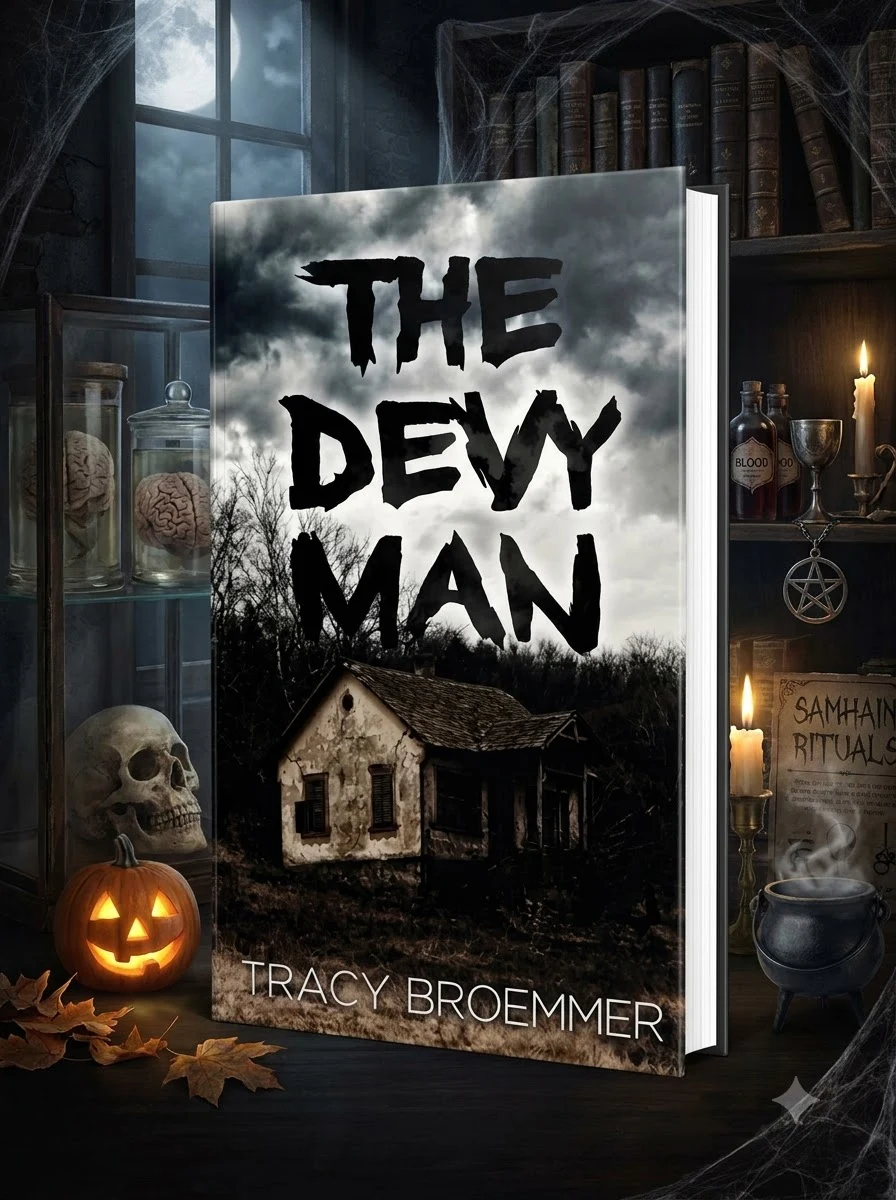
The Devy Man
A horror poetry collection exploring the violent folklore of the devy man.
This work focuses on the specific threats posed by the devy man, detailing his intentions to steal brains and drain blood. The narrative voice emphasizes the inevitability of doom for those who encounter this figure. Broemmer uses direct language to convey the entity's power over fear and death. The text does not provide background on the origins of these legends but instead immerses the reader in the immediate horror. It is a short, intense read designed to unsettle rather than educate. The structure allows for quick consumption of each terrifying stanza.
The book draws on Samhain traditions and gothic horror elements to explore the folklore of a malevolent entity. It was published in 2020 by Theresa Broemmer, targeting readers interested in dark seasonal legends and supernatural fiction.


📝 Description: The Devy Man
💎 Our verdict on The Devy Man
📖 Why choose it
Why this book is worth reading
Readers who appreciate the visceral nature of supernatural fiction will find this collection offers a concentrated dose of dread. It suits those interested in the darker aspects of seasonal folklore, providing verses that describe specific acts of supernatural violence including head theft and blood draining. The work does not offer historical analysis but immerses the reader in immediate horror through evocative imagery. Those seeking to experience the sensory reality of terror, from roasting bodies to casting souls to hell, will gain from this intense exploration. It serves as a stark reminder of ancient fears woven into modern verse for those who prefer unsettlement over education.
⭐ Reader reviews
Reader rating
Broemmer presents a chilling volume that prioritizes the immediate horror of encountering the devy man over any background exposition. The text utilizes direct language to convey the entity's power, focusing on specific threats like brain stealing and blood draining. This approach creates an intense, short read designed to unsettle rather than educate. It stands as a strong entry for fans of traditional horror poetry who enjoy non-linear structures organized around dark poetic themes. By relying on evocative imagery over academic rigor, the book delivers a concentrated experience of doom. It effectively captures the inevitability of terror, making it ideal for readers who value atmospheric dread and gothic elements in their literary consumption.
You might also like
See more →







Have a question about this item?
Ask about the edition, condition, delivery or anything else — we reply by email or phone, usually within a day.
