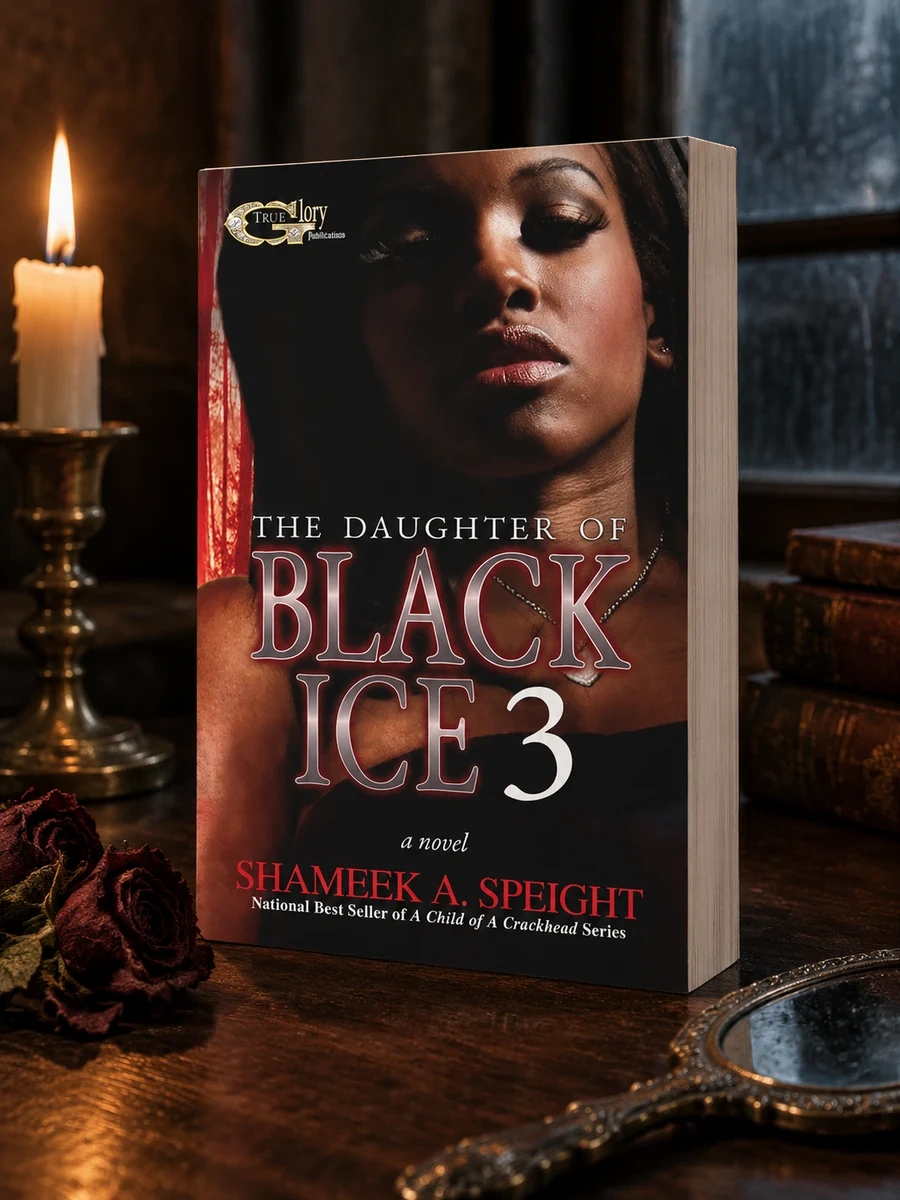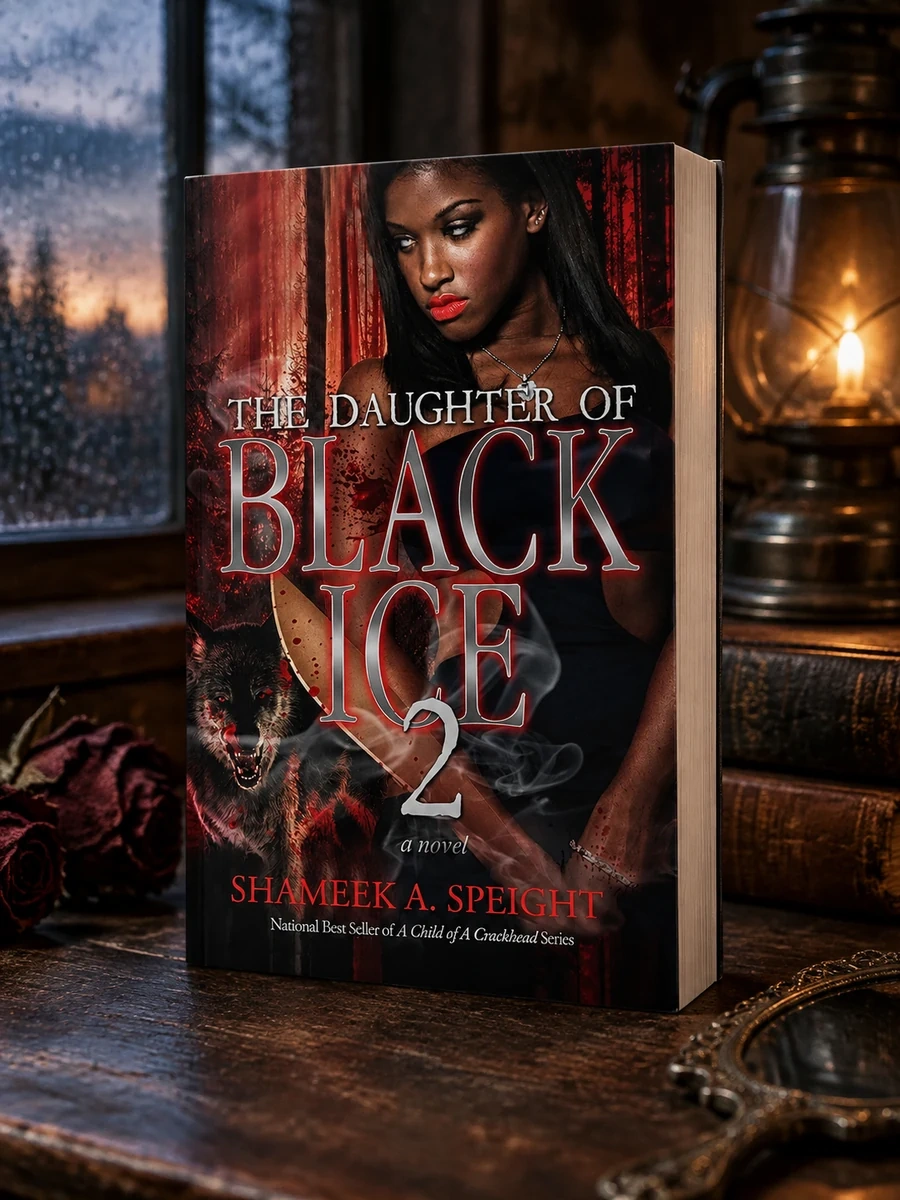
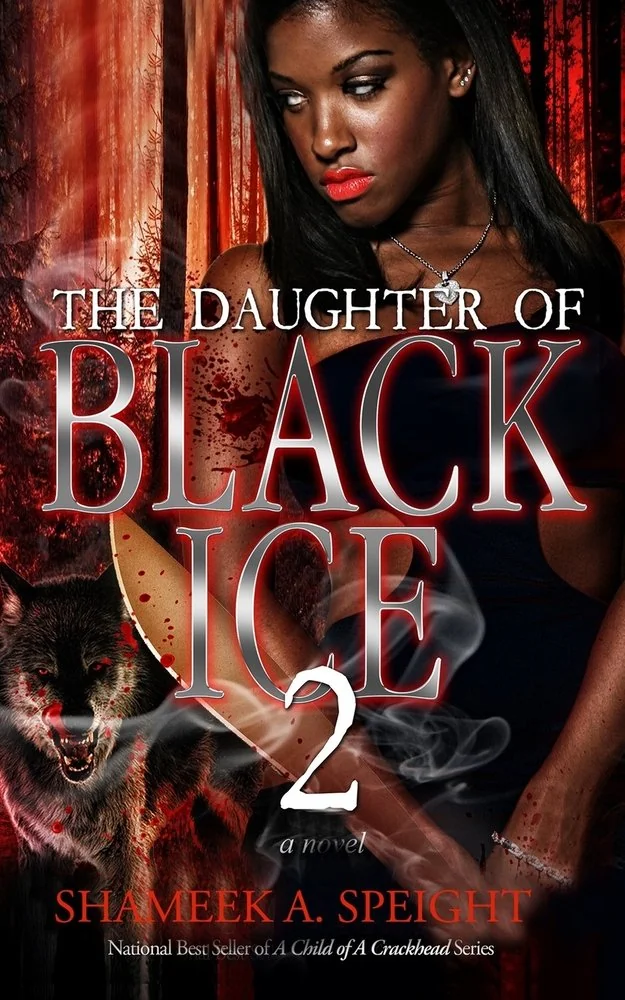
The Daughter of Black Ice 2
A thriller about a woman fighting her father's murderous legacy.
Speight constructs a narrative where Faith attempts to escape the shadow of her father, Black Ice. After committing violent acts against her ex-boyfriend's family and abducting her mother, she faces intense internal conflict. Her father does not allow her to leave the life of crime behind. Instead, he steps in to guide her according to his own design. The plot focuses on this power struggle between daughter and parent. It highlights how Faith tries to maintain her identity while resisting the pull toward becoming like him. The story provides a close look at their dynamic without offering easy answers or external rescue.
This work sits within the contemporary independent publishing landscape of the early twenty-first century. It engages with modern discussions on generational trauma and domestic violence. The narrative reflects current interests in complex, morally ambiguous characters who struggle with their inherited identities.


📝 Description: The Daughter of Black Ice 2
💎 Our verdict on The Daughter of Black Ice 2
📖 Why choose it
Why this book is worth reading
Readers drawn to gritty examinations of psychological horror and complex family dynamics will find this narrative compelling. It offers a stark look at the struggle for autonomy against manipulative parental control, focusing on immediate conflict rather than abstract philosophy. Those interested in flawed protagonists burdened by their lineage will appreciate the direct style and lack of easy answers. The book provides an unflinching view of generational harm, appealing to audiences who prefer grounded character motivation over redemption arcs or clear moral resolutions.
⭐ Reader reviews
Reader rating
Speight delivers a focused exploration of inherited violence through Faith’s struggle against her father’s oppressive influence. The narrative excels in portraying the intense internal conflict and power dynamics without resorting to easy escapes or external rescue. By maintaining a direct style, the author highlights character motivation and the gritty reality of domestic abuse. This approach suits readers who enjoy psychological thrillers with toxic family structures. It avoids abstract philosophy, grounding the horror in specific actions and lethal consequences. The story remains compelling for those interested in the nuances of criminal lineage and the difficulty of breaking cyclical patterns of harm.