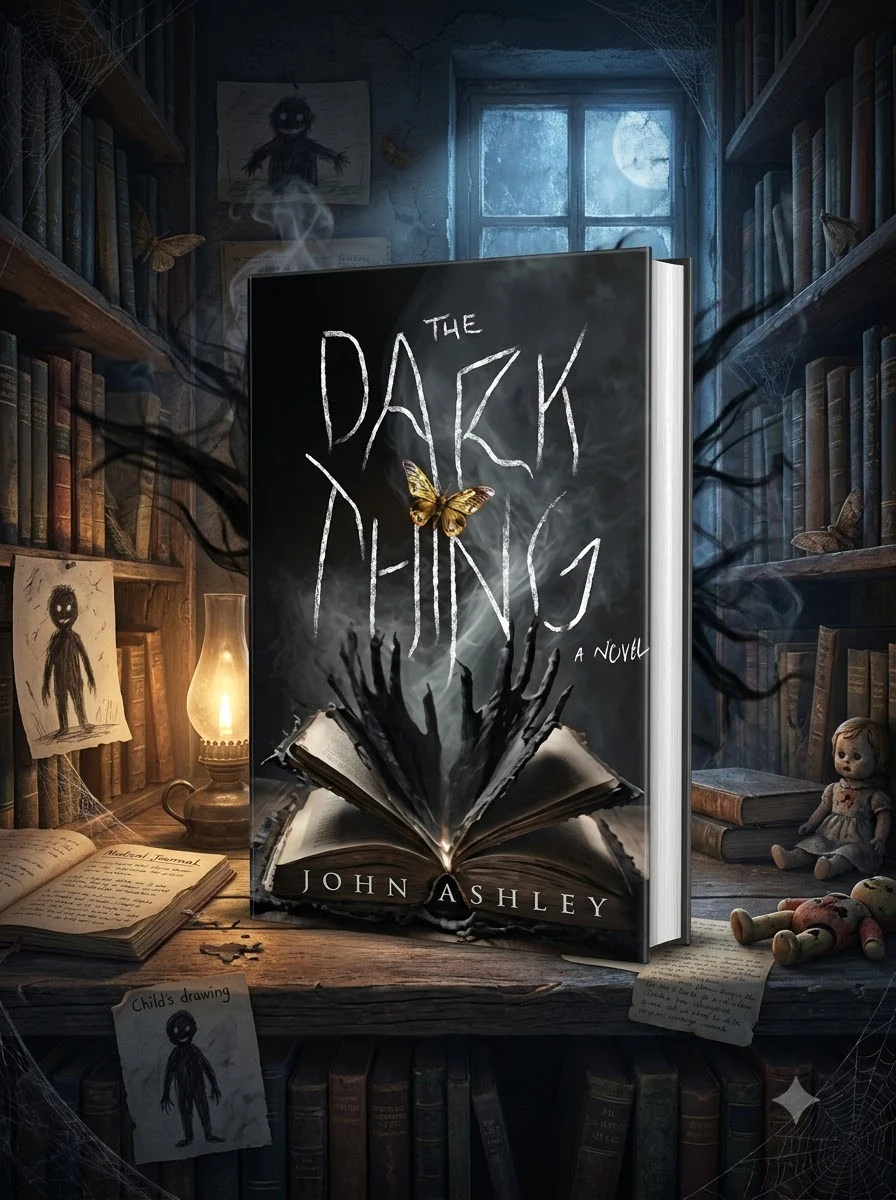
The Dark Thing
A father blames his daughter for inviting a supernatural entity into their home.
Ashley utilizes the framework of family trauma to examine fear. The story does not rely on gore but on the erosion of trust between parent and child. The protagonist’s belief that his daughter is responsible drives the plot forward. This approach aligns with psychological horror where the monster is often a metaphor for internal conflict. The narrative stays close to the main character’s perspective, limiting the reader’s knowledge to his growing paranoia. There are no clear villains outside of the perceived supernatural force. The tension arises from the uncertainty of what is real versus what is imagined due to his family history.
Published in September 2024 by Panacea Publishing, this novel fits within the contemporary American horror market. It appeals to readers interested in psychological suspense and gothic fiction that questions mental health and familial bonds.


📝 Description: The Dark Thing
💎 Our verdict on The Dark Thing
📖 Why choose it
Why this book is worth reading
Readers who enjoy character-driven horror that examines the fragility of the mind will find this compelling. The narrative does not rely on gore but on the erosion of trust between parent and child, offering a tense dynamic within the household. It appeals to those interested in how genetic legacy can manifest as an external threat through domestic tension rather than action sequences. However, it may unsettle those seeking fast-paced slasher elements or clear supernatural resolutions due to its ambiguity.
⭐ Reader reviews
Reader rating
Ashley structures the story to explore familial dread and supernatural intrusion with precision. The protagonist’s belief that his daughter is responsible drives the plot forward, creating a gripping sense of paranoia. By limiting knowledge to the main character’s perspective, the author effectively builds tension through uncertainty. This approach aligns with psychological horror where the monster serves as a metaphor for internal conflict. The work succeeds in maintaining focus on the psychological unraveling of a father and the perceived betrayal by his child without offering easy answers.
📖 Read on the blog
✍️ More books by this author John Ashley
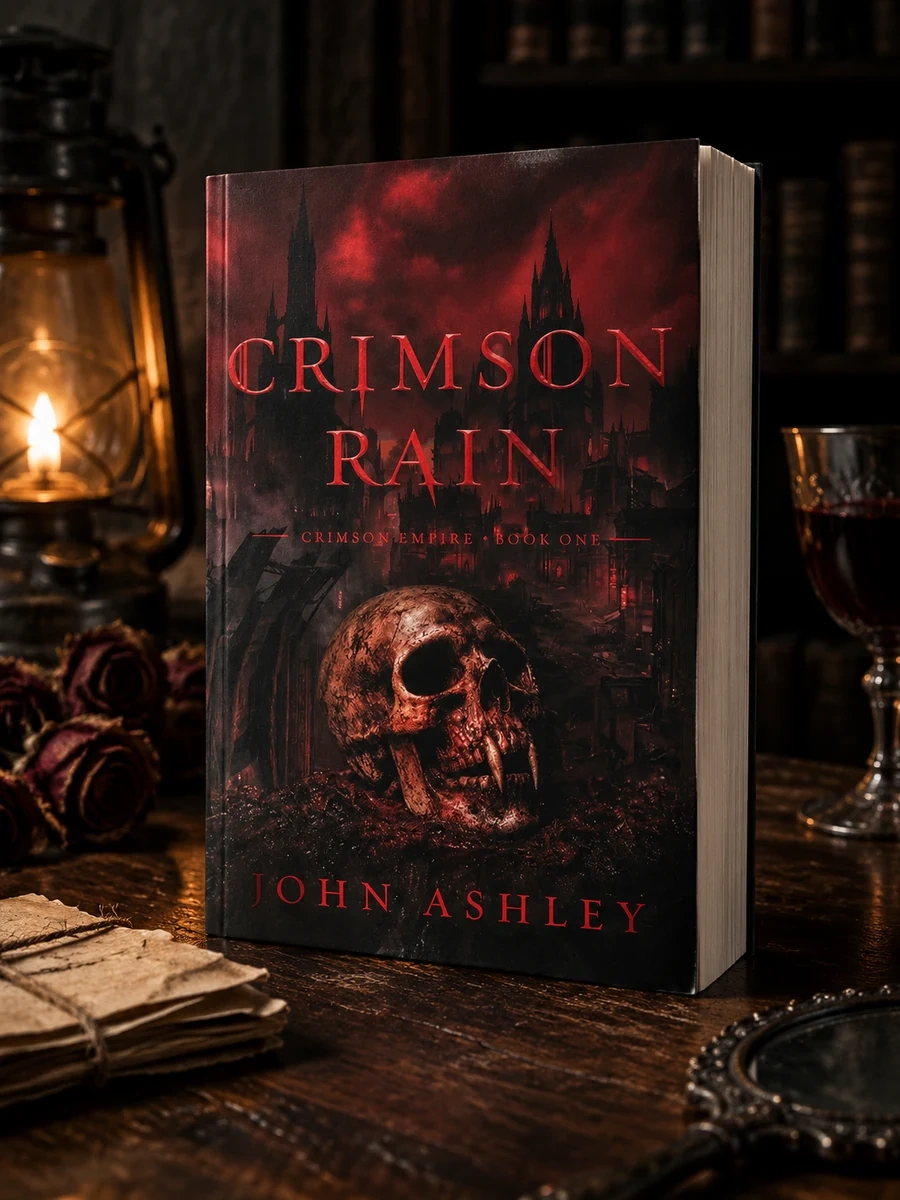


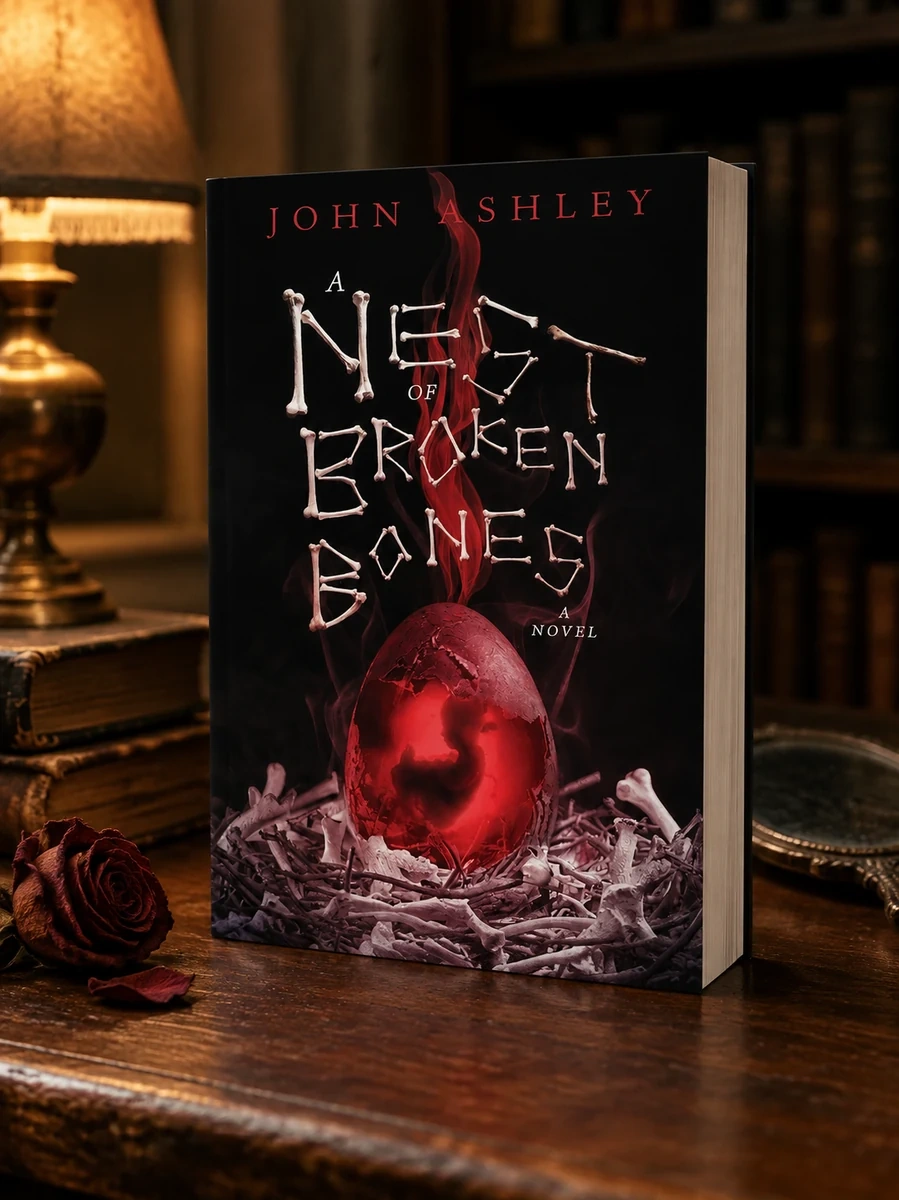
🏛 Books from this publisher Panacea Publishing
You might also like
See more →



Have a question about this item?
Ask about the edition, condition, delivery or anything else — we reply by email or phone, usually within a day.
