The Dark Road
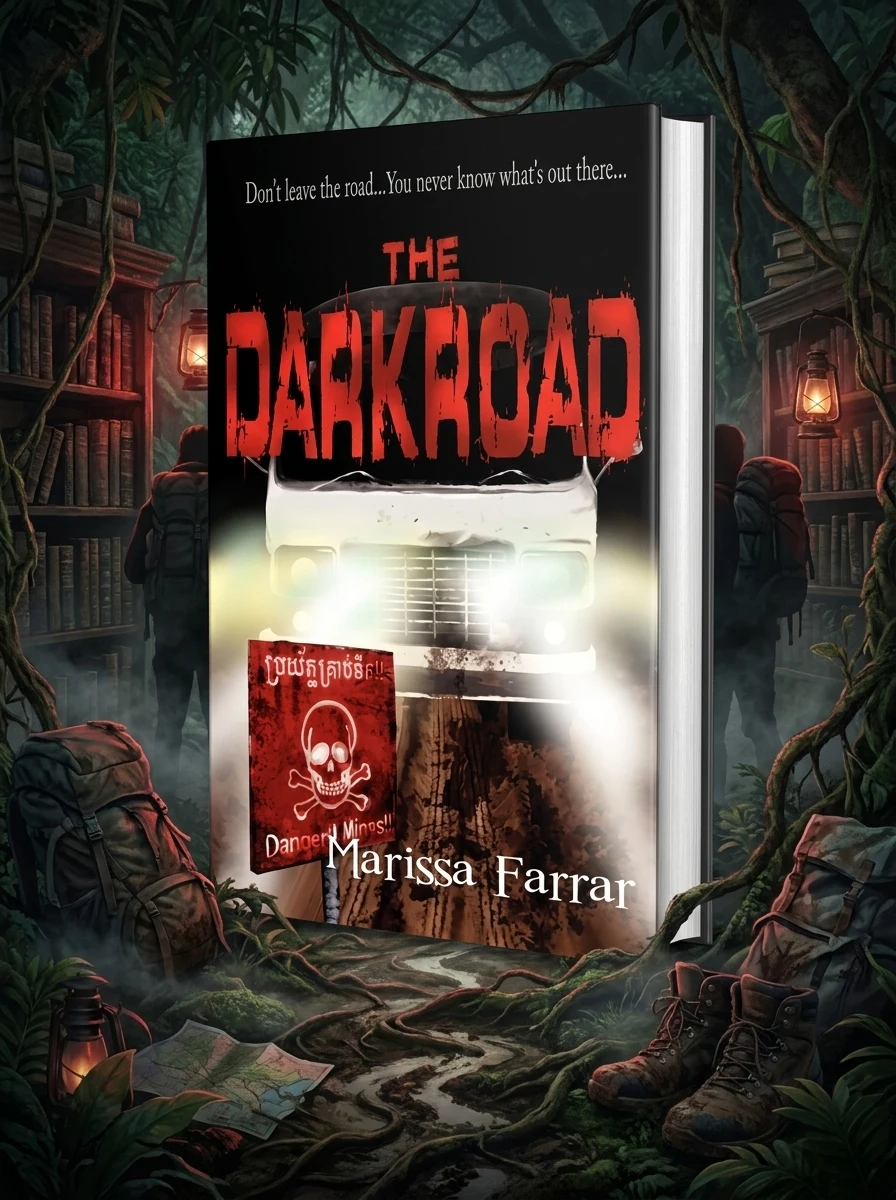
A woman tracks her fiancé to Cambodia, joining backpackers who lose their minds on a dark road.
Sasha Mills leaves London for Cambodia after being emotionally blackmailed by her absent fiancé. She encounters a group of international backpackers and finds herself trapped in a situation where sanity is fragile. The narrative focuses on the psychological horror experienced by these travelers as they confront unknown secrets. Farrar’s writing emphasizes the gradual breakdown of the group’s mental state rather than physical threats alone. This approach creates a sense of dread that permeates every interaction between the characters.
Published by Warwick House Press in 2012, this work sits within the genre of supernatural fiction. It utilizes the setting of Cambodia to explore gothic themes of isolation and psychological terror, appealing to fans of horror who enjoy stories about mental decline in foreign lands.


📝 Description: The Dark Road
💎 Our verdict on The Dark Road
📖 Why choose it
Why this book is worth reading
Readers seeking intense psychological horror rather than visceral gore will find value in this narrative. It appeals to those who enjoy watching the gradual disintegration of sanity within a confined social group. The book is ideal for fans of gothic tales where isolation breeds paranoia and trust erodes rapidly. Those who prefer atmospheric dread over physical action will appreciate the focus on mental decline. It offers a tense exploration of fear and loss of control, making it suitable for readers who enjoy supernatural fiction set in unfamiliar, isolating locations. The story provides a chilling look at how emotional blackmail and unknown secrets can warp perception.
⭐ Reader reviews
Reader rating
Farrar crafts a tense atmosphere where the true threat is the unraveling mind rather than external monsters. By setting the narrative in Cambodia among backpackers, she leverages the disorientation of travel to amplify psychological horror. The book excels in depicting how trust erodes as sanity becomes fragile under pressure. It suits readers who appreciate subtle, pervasive dread and character-driven tension over plot-heavy action. Those seeking clear resolutions or traditional adventure may find it unsatisfying, but fans of gothic isolation will likely appreciate the slow burn. The focus on interpersonal dynamics makes the horror feel intimate and inescapable, creating a lingering sense of unease that defines the reading experience.
You might also like
See more →







Have a question about this item?
Ask about the edition, condition, delivery or anything else — we reply by email or phone, usually within a day.
