The Dark Lover
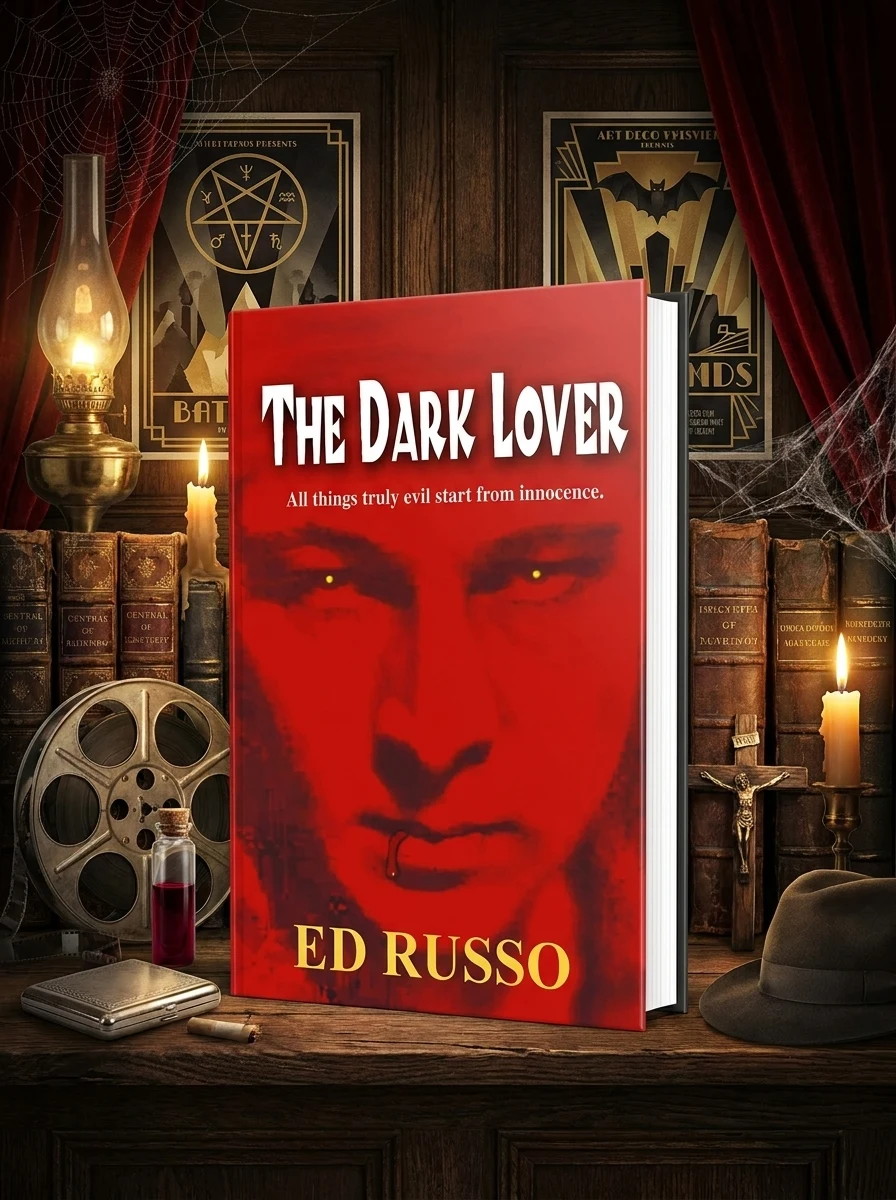
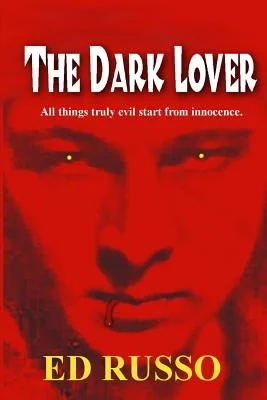
A vampire retelling of Rudolph Valentino's life by Ed Russo.
The narrative shifts focus from historical fact to psychic fiction. It positions Valentino as an immortal being whose charm transcends mortality. The plot traces his movements across key locations like Paris and the French Riviera. This setting allows for a critique of how early cinema was shaped by hidden forces. The story presents a romantic yet sinister view of his career. It suggests that his fame was fueled by supernatural influence rather than mere talent. This angle provides a unique lens on the golden age of silent films.
The book engages with 1920s Hollywood and Parisian culture. It references the azure coast as a setting for the narrative. The work connects the legacy of Rudolph Valentino to broader themes of early cinema history and supernatural mythology within that specific period.


📝 Description: The Dark Lover
💎 Our verdict on The Dark Lover
📖 Why choose it
Why this book is worth reading
Readers interested in alternative histories of Hollywood and the supernatural underpinnings of cultural icons will find this title compelling. It appeals to those who enjoy vampire fiction that grounds its narrative in real-world figures, offering a romantic yet sinister perspective on Rudolph Valentino’s legacy. The book is particularly suited for fans of gothic tales where historical memory blends with psychic inspiration. Those seeking straightforward biographical accuracy may find the fictional elements distracting, but enthusiasts of dark romance and hidden cinematic histories will appreciate the unique lens through which Valentino’s charm and career are examined.
⭐ Reader reviews
Reader rating
The Dark Lover successfully merges vampire lore with Hollywood history, presenting a compelling alternative narrative for Rudolph Valentino. By framing his magnetic charm as otherworldly influence, Russo crafts a dark romance that critiques early cinema’s hidden forces. The text excels in blending historical biography with supernatural fiction, creating a unique perspective on the silent film era. It suits readers who enjoy gothic fiction and psychological horror grounded in cultural figures. While it challenges boundaries between fact and psychic inspiration, it delivers a rich, atmospheric experience for those open to speculative interpretations of iconic lives.