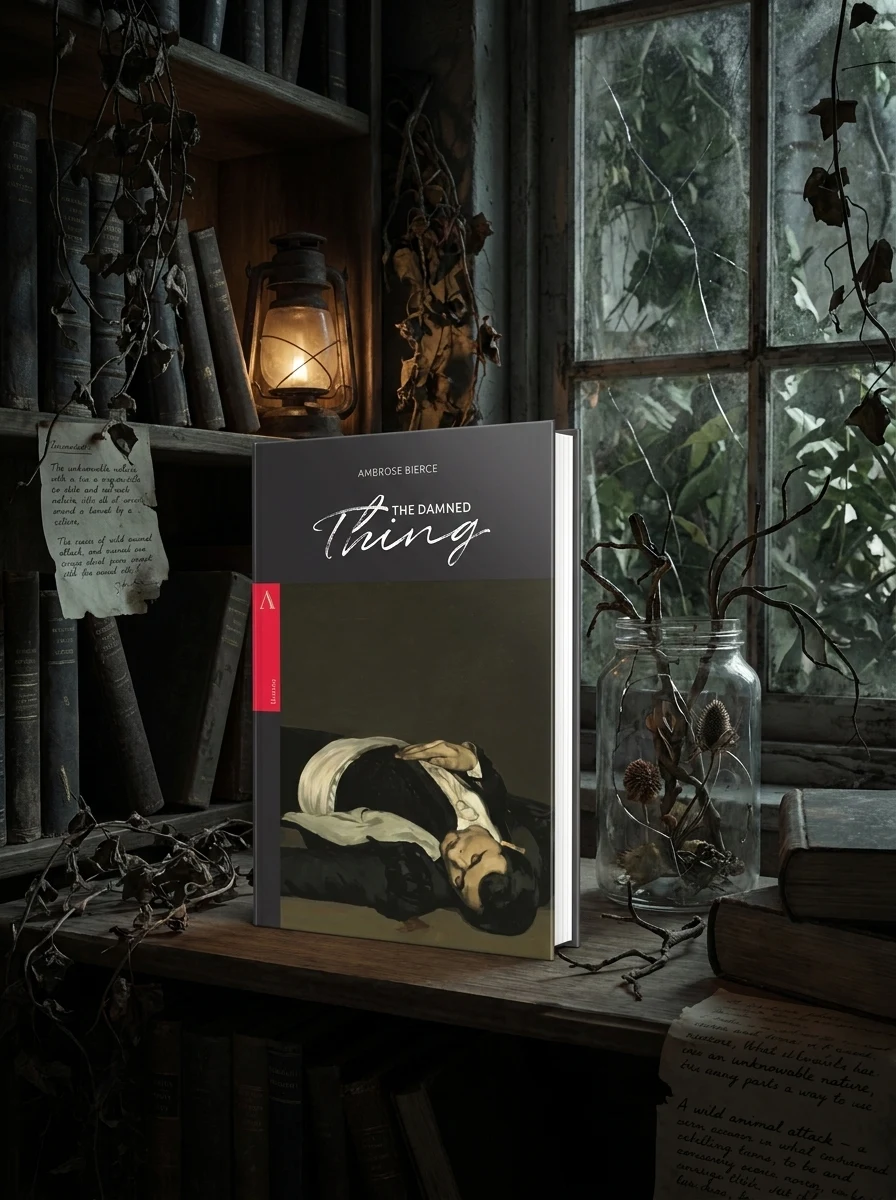
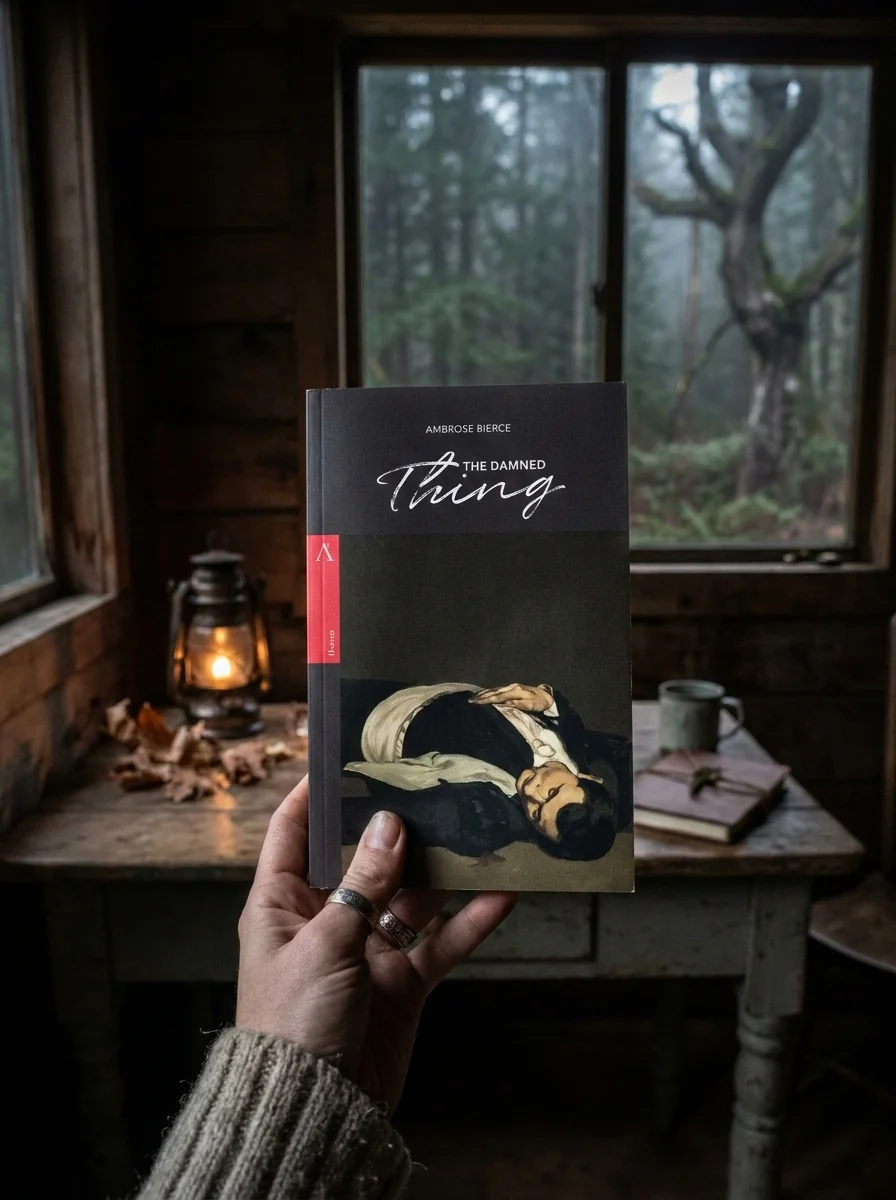
The Damned Thing
A multi-perspective account of an unexplainable fatal accident in the wild.
The narrative investigates a single incident through varied viewpoints to challenge the accepted version of events. While authorities label the death as a standard animal attack, a key witness disputes this classification. The text explores the tension between observable facts and hidden realities. Bierce uses this structure to emphasize the fragility of human certainty. The story does not rely on gore or jump scares. It builds tension through the gradual erosion of confidence in known explanations. This method aligns with gothic traditions that prioritize psychological unease over physical threat. The focus remains on the inability of language and logic to fully describe the unnatural.
This text originates from Ambrose Bierce, a writer known for his dark fiction. It reflects late nineteenth-century literary interests in the supernatural and the limits of rationalism. The story engages with gothic traditions that question the boundary between the natural and the unnatural world.


📝 Description: The Damned Thing
💎 Our verdict on The Damned Thing
📖 Why choose it
Why this book is worth reading
Readers who appreciate psychological horror and ambiguous endings will find this narrative rewarding for its intellectual engagement with the limits of human understanding. It appeals to those interested in late nineteenth-century literary traditions that question rational explanations for strange events, offering a study in atmospheric dread rather than action. Those seeking clear resolutions or traditional monster hunts may find the open-ended conclusion unsatisfying. The book is ideal for audiences who enjoy the gradual erosion of confidence in known explanations and the tension between observable facts and hidden realities, valuing the fragility of human certainty over conventional plot mechanics.
⭐ Reader reviews
Reader rating
Bierce constructs a compelling examination of the unknown through a multi-perspective account that dismantles official narratives. The text excels in building tension via the gradual erosion of confidence in established explanations, aligning with gothic traditions that prioritize psychological unease. It suits readers who value atmospheric dread and the inability of language to describe the unnatural. By refusing to offer easy answers, the story forces confrontation with the gap between personal experience and objective reports. This approach creates a lingering sense of uncertainty, making it a sophisticated choice for those who prefer intellectual ambiguity over visceral thrills or definitive monster encounters in their horror literature.
📖 Read on the blog
✍️ More books by this author Ambrose Bierce


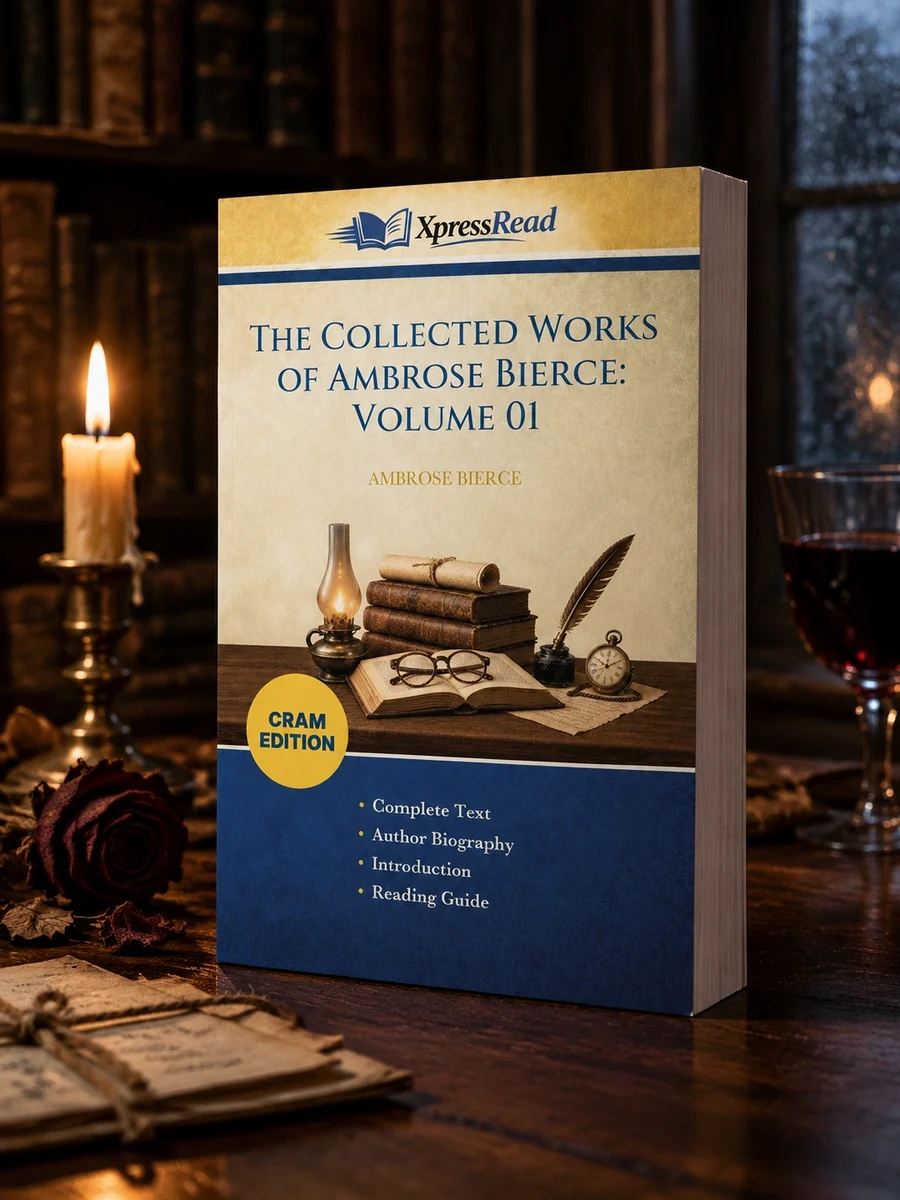
🏛 Books from this publisher Createspace Independent Publishing Platform

You might also like
See more →
Have a question about this item?
Ask about the edition, condition, delivery or anything else — we reply by email or phone, usually within a day.
