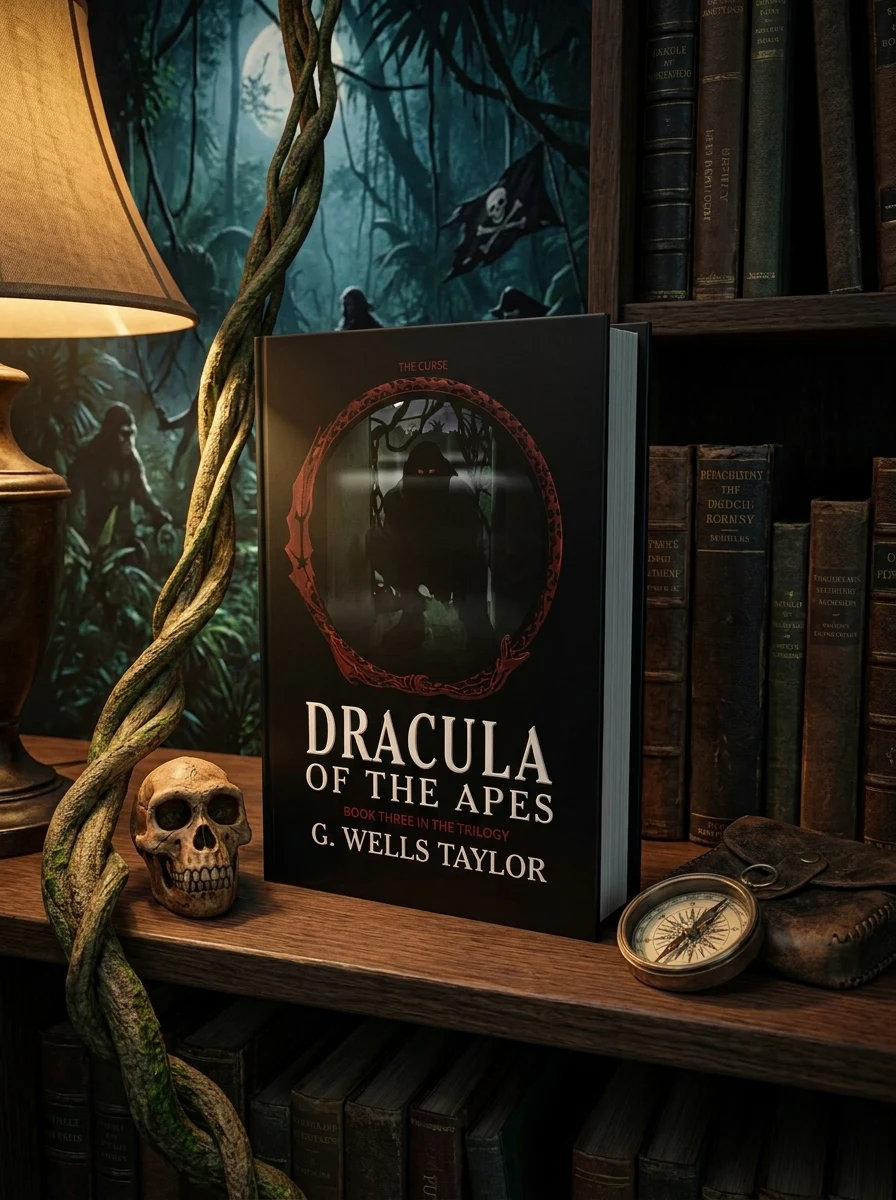
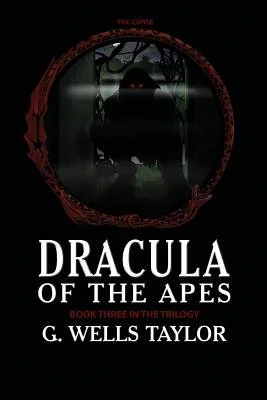
The Curse: Dracula of the Apes Book 3
A hybrid horror-adventure merging Dracula lore with Tarzan themes.
Taylor examines the tension between civilized bonds and savage urges through Gazda’s perspective. The protagonist faces a critical choice when his new acquaintances are taken by pirates. This rescue attempt forces him to confront the blood curse inherited from Dracula. The narrative does not shy away from the physical dangers of cannibal pirates or the psychological weight of vampiric heritage. It presents a scenario where heroism might trigger eternal punishment. The story focuses on the immediate consequences of Gazda’s actions rather than abstract philosophical debates.
This work sits at the intersection of Bram Stoker’s Dracula and Edgar Rice Burroughs’ Tarzan. It merges late nineteenth-century Gothic horror with early twentieth-century adventure fiction traditions. The text creates a specific niche for fans of these two distinct literary giants.


📝 Description: The Curse: Dracula of the Apes Book 3
💎 Our verdict on The Curse: Dracula of the Apes Book 3
📖 Why choose it
Why this book is worth reading
This book appeals to readers who enjoy crossover fiction and gothic themes, particularly those interested in how two distinct literary giants intersect. Gazda’s journey from seeking biological roots to confronting a Dracula blood curse offers a unique perspective on identity and primal instinct. The narrative focuses on immediate consequences rather than abstract debates, making it engaging for fans of character-driven conflict between human connection and supernatural compulsion. It is ideal for those who appreciate the serialized nature of late nineteenth-century adventure tales mixed with psychological horror elements.
⭐ Reader reviews
Reader rating
Taylor constructs a compelling horror-adventure hybrid that examines identity through Gazda’s struggle to resist vampiric urges while maintaining friendships with castaways. The text effectively balances physical dangers, such as cannibal pirates, with the psychological weight of inherited damnation. It suits readers interested in Gothic themes and crossover fiction who do not mind modified vampire lore. Those preferring standalone tales might find the serialized approach less engaging. The work relies on character-driven conflict to explore the cost of heroism against eternal punishment. It is a relevant study for enthusiasts of how adventure serials intersect with supernatural horror traditions.