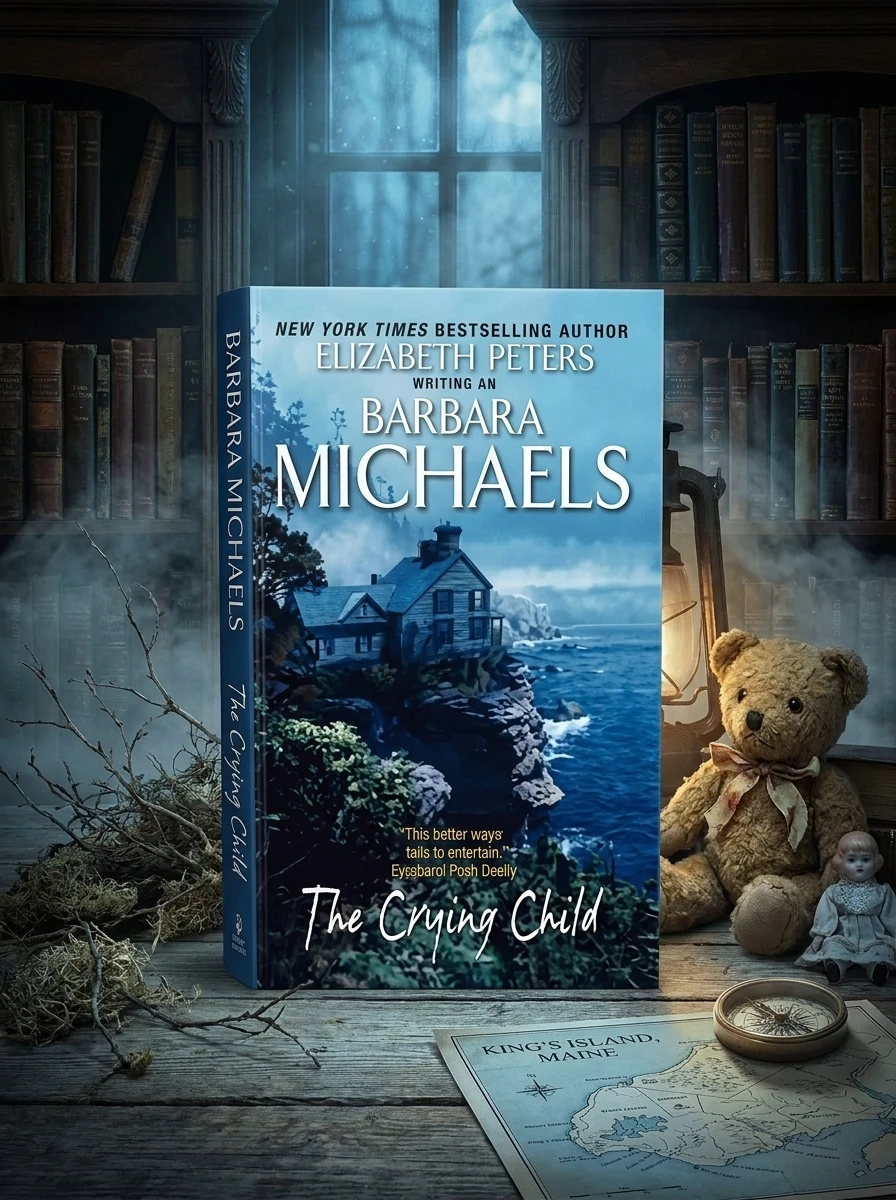

The Crying Child
A sister investigates her grieving sibling's descent into madness on a remote Maine island.
The plot follows Joanne McMullen as she confronts the deteriorating mental state of her sister Mary on King's Island. Mary’s obsession with a mysterious wailing sound leads to midnight disappearances. Joanne initially views this as a symptom of grief but soon faces the terrifying reality that she too hears the child. The story examines how isolation amplifies fear and blurs the boundaries between psychological breakdown and supernatural presence. Michaels uses the setting to create a sense of claustrophobia despite the open woods. The narrative does not offer easy answers about the source of the noise, leaving the reader to question whether the horror is external or internal.
Published by Harper in 2007, this novel fits within the tradition of American gothic horror. It draws on the classic trope of remote island isolation to heighten tension. The story reflects late twentieth-century interests in psychological horror and the ambiguity of supernatural experiences.


📝 Description: The Crying Child
💎 Our verdict on The Crying Child
📖 Why choose it
Why this book is worth reading
Readers seeking atmospheric tales of psychological erosion will find this novel compelling. It appeals to those who enjoy stories where isolation amplifies fear, blurring the boundary between grief-induced madness and genuine paranormal presence. Fans of gothic fiction that prioritizes mood over action will appreciate the claustrophobic setting of King's Island. The narrative offers a profound examination of how familial bonds are tested by supernatural forces. It is ideal for audiences who prefer ambiguous hauntings over clear resolutions, inviting them to question whether the horror is external or internal. Those interested in the intersection of true crime and psychological horror may also find the exploration of mental deterioration engaging.
⭐ Reader reviews
Reader rating
Michaels crafts a chilling narrative that effectively uses the remote Maine setting to generate claustrophobia despite open woods. The story excels in depicting the slow unraveling of sanity, shifting seamlessly from psychological concern to supernatural horror as Joanne begins hearing the same wailing child as her sister. This ambiguity regarding the noise's source creates a persistent sense of dread without resorting to cheap scares. The book is best suited for readers who appreciate atmospheric gothic fiction and complex explorations of grief. It may disappoint those seeking fast-paced action or definitive answers, but it rewards patience with a deeply unsettling examination of fear and isolation.
📖 Read on the blog
✍️ More books by this author Barbara Michaels




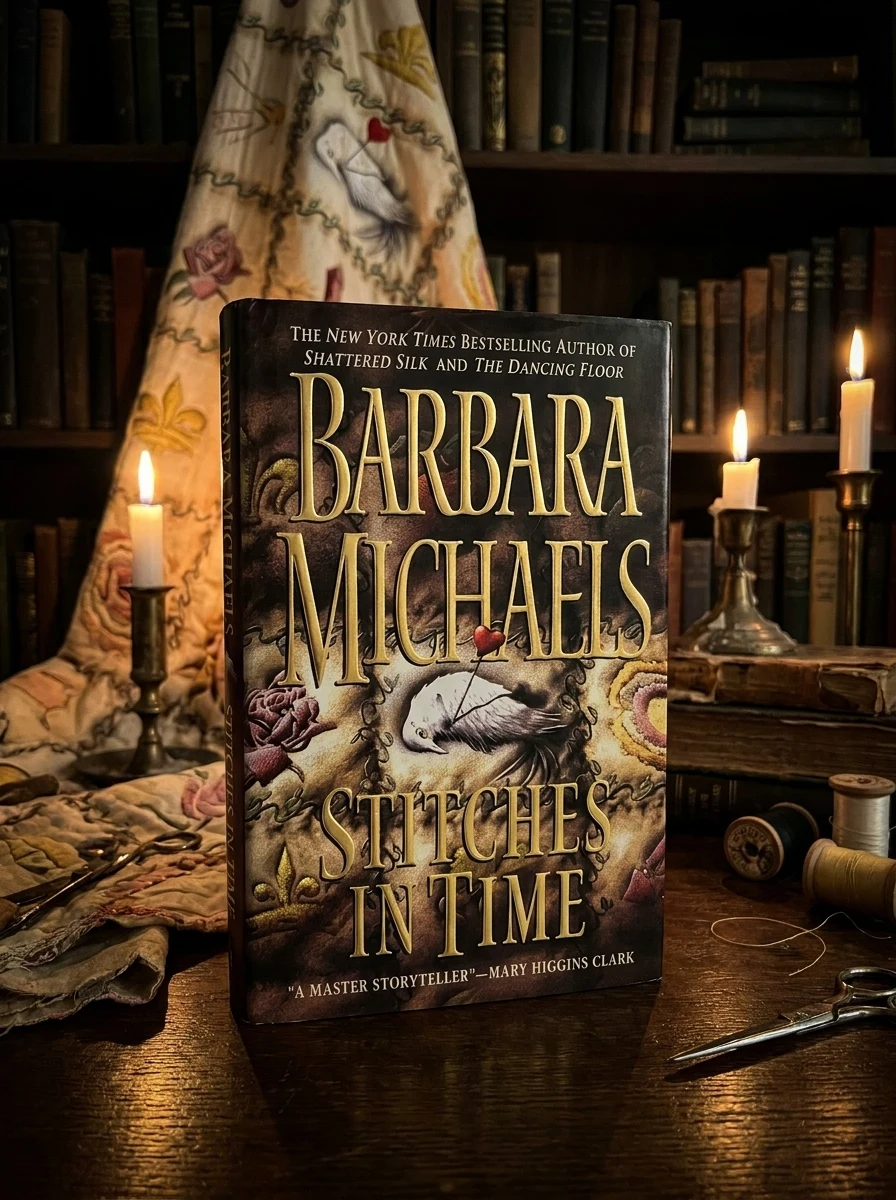
🏛 Books from this publisher Harper


You might also like
See more →



Have a question about this item?
Ask about the edition, condition, delivery or anything else — we reply by email or phone, usually within a day.
